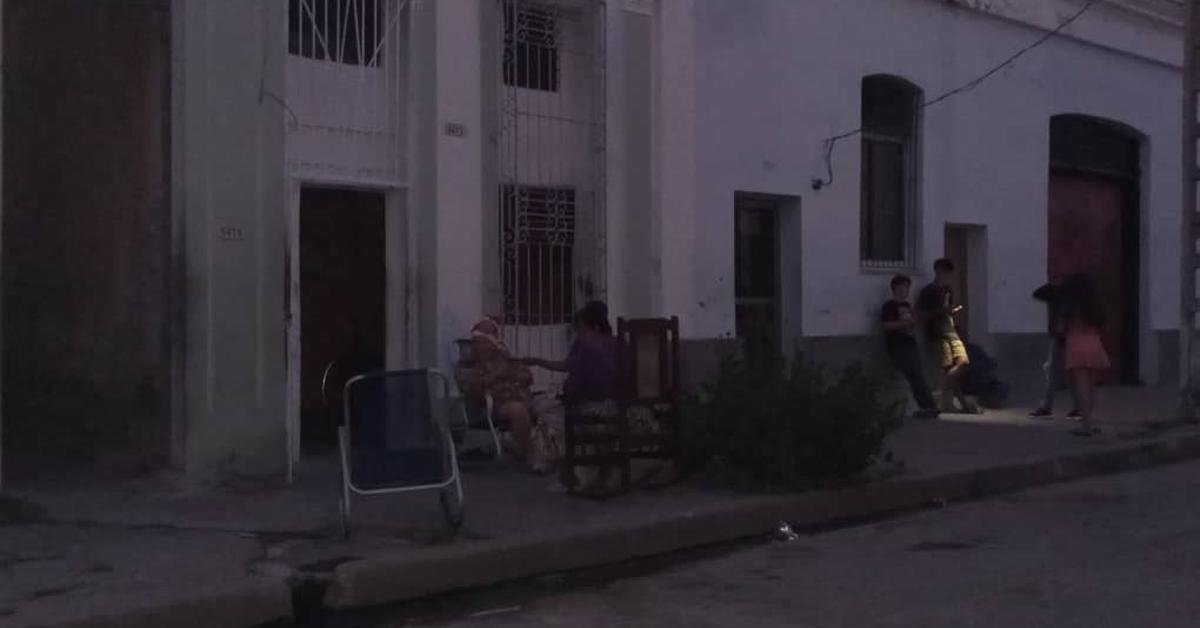
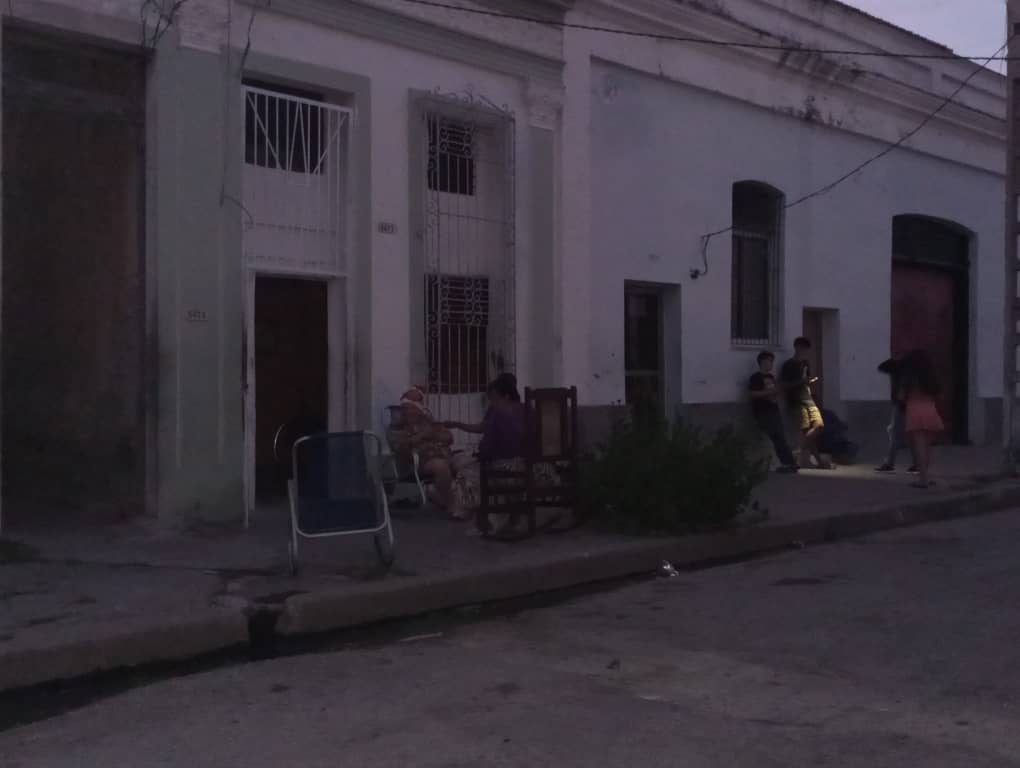
Madrid/The Electrical Union (UNE) had managed to link the national electrical system (SEN) from Pinar del Río to Holguín 28 hours after the national blackout last Monday, July 6.
The last thermoelectric unit to be incorporated was the 3 of Carlos Manuel de Céspedes, although the fundamental piece is Felton, in Holguín. Lázaro Guerra Hernández, general director of electricity of the Ministry of Energy and Mines, reported on television on Tuesday night that the start-up of unit number one had already begun, like that of unit 3 in Cienfuegos, while unit 4 of the latter is online, allowing generation to be gradually increased in the country.
However, the official insisted that the blackout would continue to be widespread, since the generation capacity is very scarce, and this will continue in the coming days.
In Sancti Spíritus, the provincial electricity company announced last night that two official charging points were made available to the population.
The manager added that when Felton becomes fully operational, the provinces of Santiago de Cuba, Granma and Guantánamo will be linked, which at this time are still outside the SEN.
In Havana, 562,895 customers have so far recovered power, representing 65.3% of the total of 787,000 users of the electricity company in the capital, where he specified that the restoration is progressing “gradually and progressively, to the extent that the conditions of the SEN allow it.”
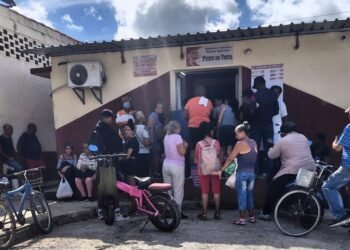
In Sancti Spíritus, the provincial electricity company announced last night that two official charging points were made available to the population to recharge essential equipment, the El Meso solar park, in Jatibonico, and the UNE headquarters itself, in the Colón district.
“You will be able to enable: Cell phones, rechargeable lamps and fans. Motorbikes or EcoFlow equipment are not allowed. Both facilities are ready and equipped to receive anyone who needs to charge their equipment,” he wrote on his social networks.
UNE directors have insisted that the current priority is to sustain basic services, mainly in health institutions, water supply and communications.
Until now, the causes that caused this new total collapse of the electrical service, the third so far in 2026, have not been specified.
The Cuban Government denounced this Tuesday at the UN as a “genocide” Washington’s oil blockade, which the United Nations considers contrary to international law. The United States, for its part, replied that the responsibility lies with the regime and accused it of having electricity while the population suffers blackouts.