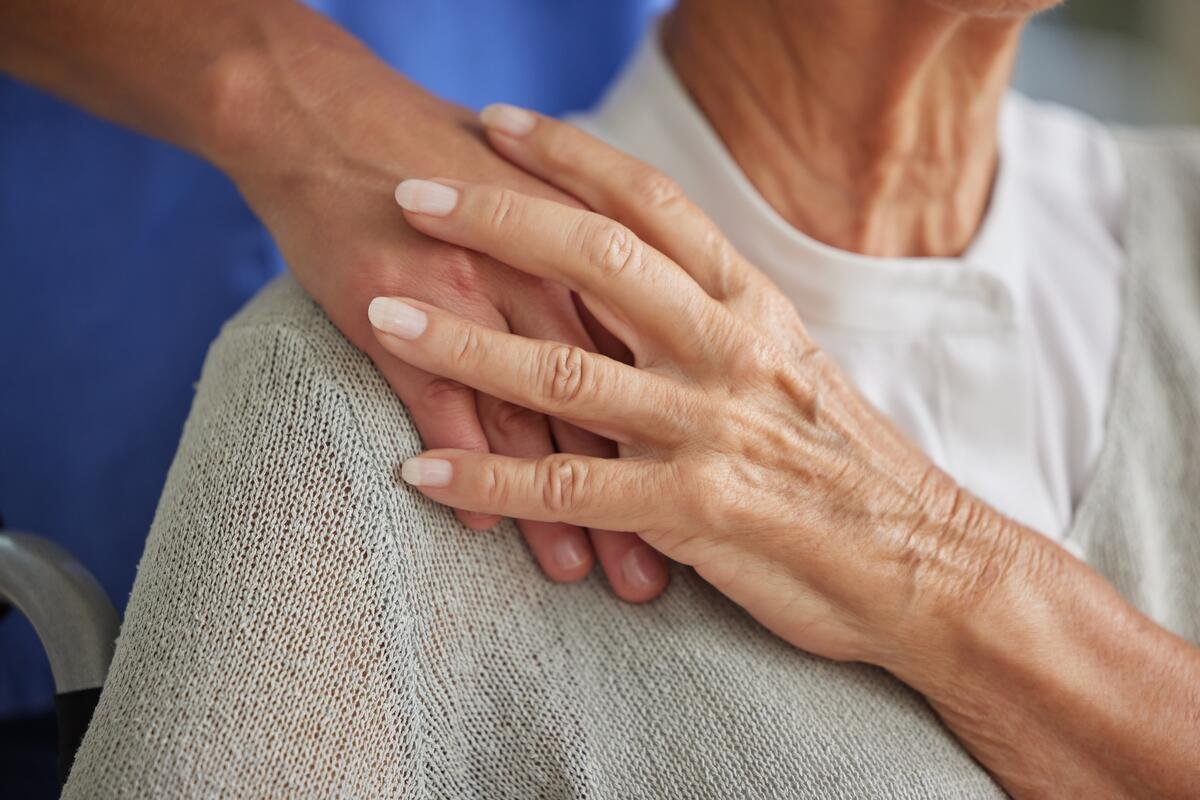
“It’s not that I don’t like men,” says Pat Dunn, who in her later years chose to live in an all-female community in Ontario, Canada.
“But I want my own tribe. I want my friends around me. And the kind of support that women give to other women.”
“Even though I did it out of desperation, I’m glad I did it,” she explains.
Dan is a retired registered nurse and is part of a popular end-of-life organization that is expanding around the world to offer companionship, support and a sense of security in later life.
Also known as connected living, participants lead it daily together in a “safe place” instead of just living in a shared space.
Dan began exploring cohabitation after her husband’s death, when rents began to skyrocket.
“I couldn’t live alone anywhere,” she says.
“I was scared. My money started draining very quickly.”
Grieving and worried, she recalled The Golden Girls, an American television series about elderly women sharing a home, and decided to open a Facebook group to find other women in similar circumstances.
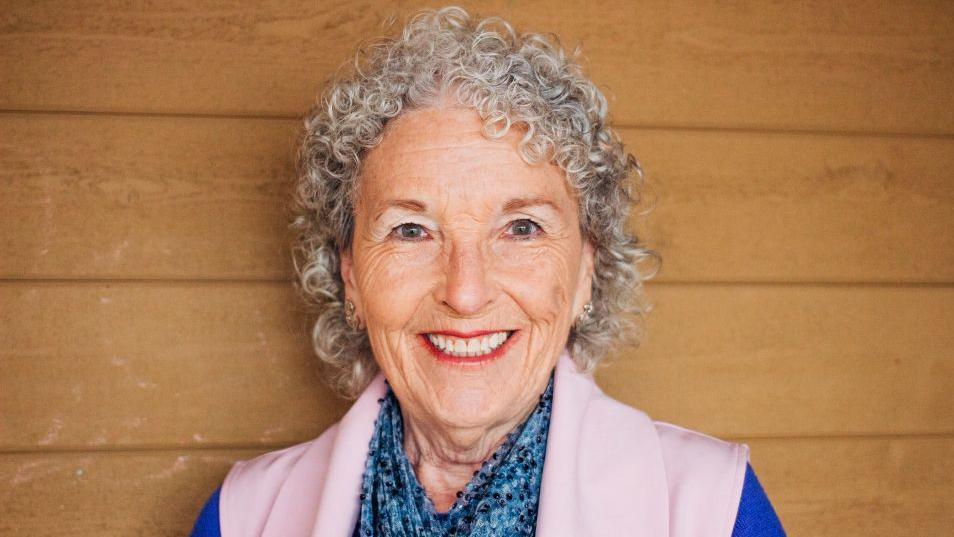
She expected that only a handful of women would sign up, but 50 of them signed up in the first week, and by the end of the first month she had 200 members.
Some shared heartbreaking stories of living in cars or dealing with poverty with nowhere to go.
“If I do one thing for the rest of my life, it will be helping these women,” she says.
It grew into the non-profit organization Older Women Live Together.
This organization helps women in Ontario find other women to share a home with and has grown to thousands of members.
Dan herself now lives with two women she didn’t know before she started the group.
One lived alone most of her life, the other was married several times but had no children.
Since she had never lived with anyone who was not a member of her family, Dan had some time to get used to her new life circumstances.
“It took us all six months to get all the little things just right,” she says.
“Nobody wants to walk on eggshells in their own home. So you have to be honest and talk about it.”
Her organization doesn’t match women with each other, but it’s a place to connect and provide a platform and guidance for everyday problems: cooking, cleaning, paying rent, maintaining boundaries, and planning for aging together, including illness or moving into a nursing home.
Connected life across borders
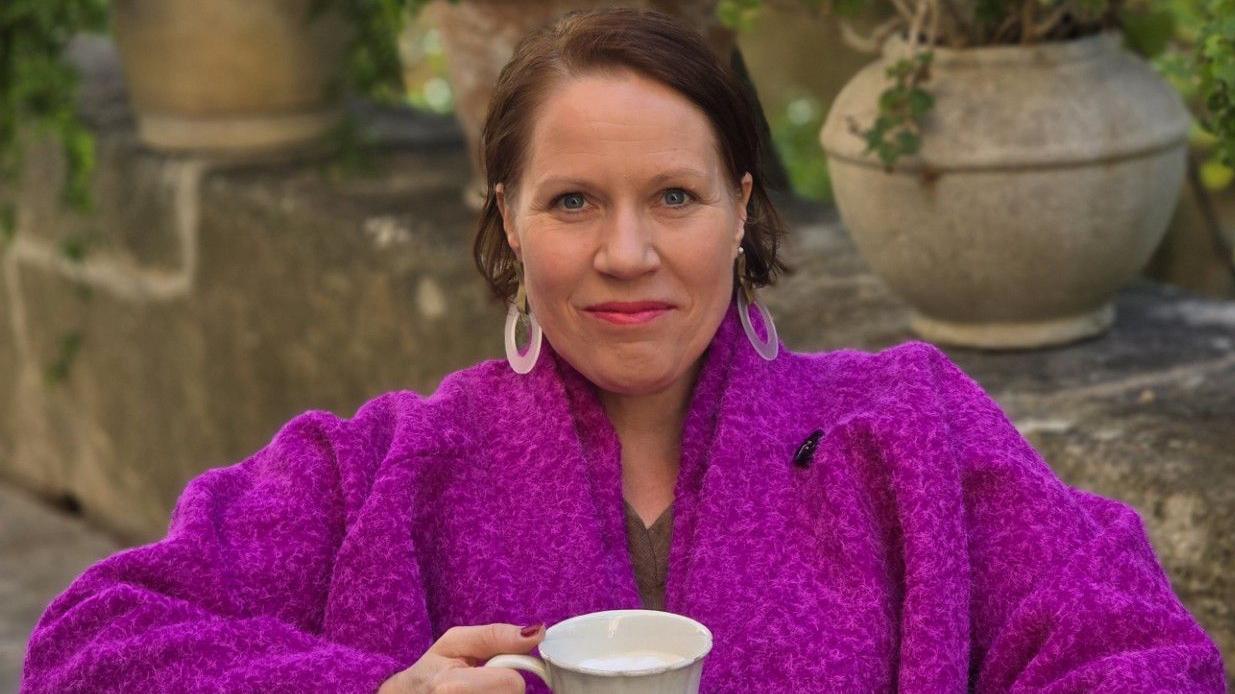
Living in Finland, Hanne Nuttenen co-founded La Joie Homebase, which offers a shared living space for women, often on a temporary basis.
Nutenen’s approach stemmed from her experiences as a single mother who lived and worked in three countries.
She wanted daily support and shared experiences.
“Usually from the age of 50 onwards – that can be half of our life and quite a long period. Normally by that time we have already experienced life and formed ourselves and know what we want and who we are. We want to be the person we want to be.”
La Joie Homebase began operations in the south of France and now operates in Italy, Spain and Morocco, offering accommodation from several weeks to several months instead of permanent residence.
“It’s a huge company,” she says.
“In the next few decades, there will be 2.1 billion people over the age of 60. All over the world, women share similar interests at this stage of life. It really speaks to the longevity economy.”
Groups are small, and residents are guided through expectations, community rules and online dating before embarking on such a life.
The host helps to maintain a good atmosphere and resolve all conflicts.
Female residents keep private rooms, but share daily life, which includes cooking, cleaning and various activities.
Both women emphasize that their communities are for women who can take care of themselves instead of needing help in life.
Dan describes his own model as “more deliberately chosen”, with common goals and agreements.
Nuttenen says that the essence of living together, not just sharing a building, is in a safe environment.
“You feel in a safe, secure place mentally and physically in that sense. And having those women around you is extraordinary, because you feel like you’re among friends.”
Supply and demand
Pet Dan’s grown children support her decision, though she says some may worry, especially if a parent moves away or if the children are expected to play a role in the new arrangement.
Nuttenen says her teenage daughter occasionally stayed at the homes during family events and saw firsthand that they were safe and supportive.
The demand for shared housing is significant.
Dunn says there are at least 150,000 older women who are alone and living in poverty in Ontario alone.
Globally, the number of people over 60 is projected to jump sharply, with women making up the majority.
She adds that politicians, builders and landlords are increasingly interested in such communities as practical and inexpensive housing solutions.
“We’re a truly low-cost solution for them,” Dunn says.
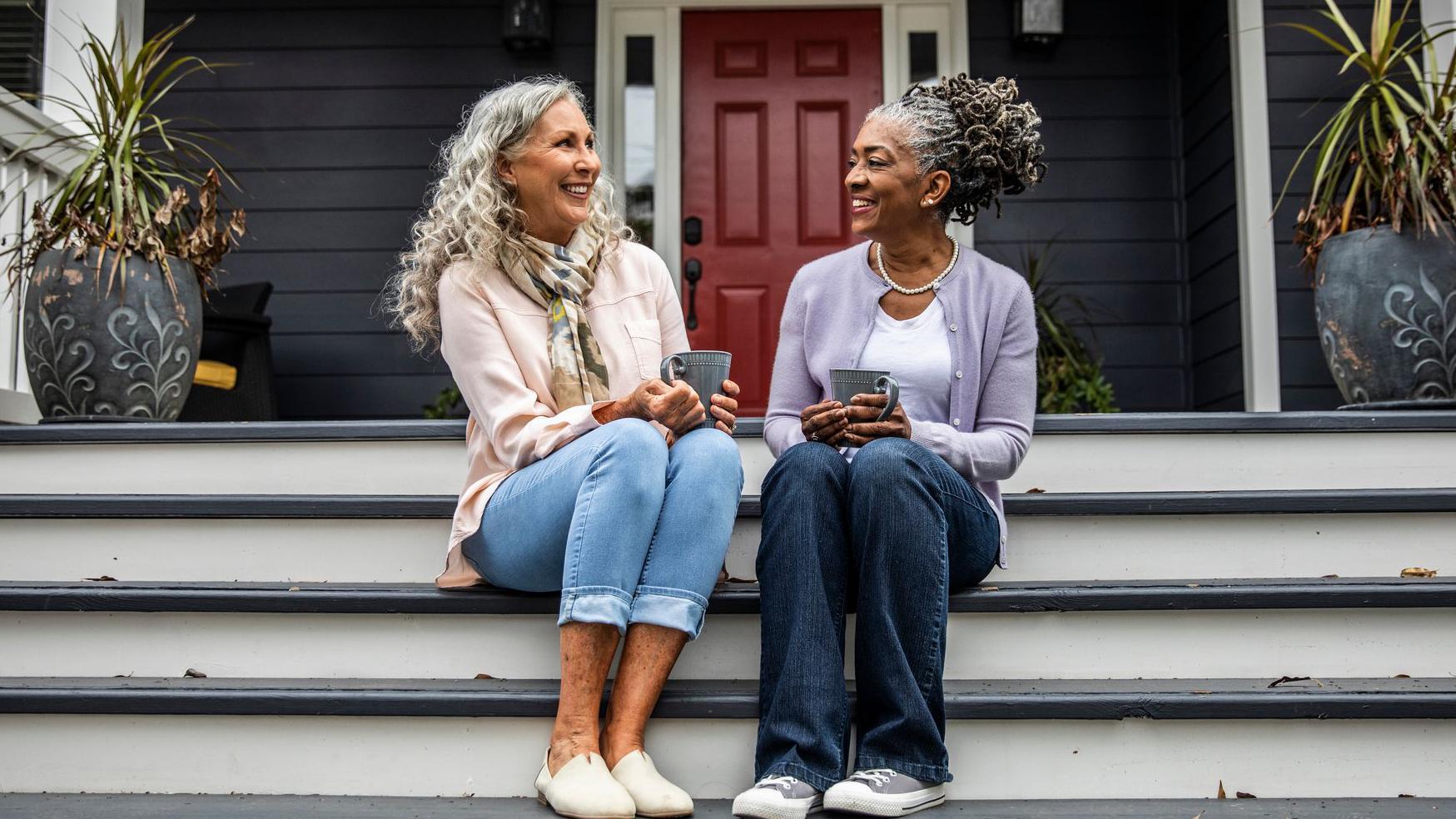
Both founders say that this experience transformed their own lives.
Nutenen says it has allowed her to live internationally, work in different countries and embrace different cultures.
Dan says it brought her safety and the company of others after a period of grief and loneliness.
“I went from feeling a desperate fear of being homeless to a safe home with wonderful women,” she says.
“I went from being lonely 24 hours a day to never being alone again.”
These communities offer a different vision of later life: one built on choice, connection and mutual support among women coping with similar life stages.
Based on The Conversation on the BBC World Service, additional reporting: BBC Global Journalism
BBC is in Serbian from now on and on YouTube, follow us HERE.
Follow us on Facebook, Twitter, Instagram and Viber. If you have a topic suggestion for us, please contact bbcnasrpskom@bbc.co.uk
Download the application and follow the news


FOLLOW US ON

News