During the last few days, users in Guayaquil are consuming more energy due to the use of devices due to the intense heat throughout the day.
The high temperatures even reach into the night, so the use of fans and air conditioners is prolonged.
Heat wave in Guayaquil: What to do and what not to do during the intense heat
The National Institute of Meteorology and Hydrology (Inamhi) has warned of high levels of radiation and heat in Guayas and other towns in the Coast region.
For Luis Muñoz, researcher at the Escuela Superior Politécnica del Litoral, the increase in temperature directly affects electricity consumption.
“When the temperature rises, the refrigeration and air conditioning equipment works harder. This generates greater energy consumption,” he explained.
Among the appliances that have the most impact on electricity costs are air conditioning, refrigerators and water heaters.
The specialist warned that one of the most common mistakes is purchasing air conditioning equipment without a safety label. energy efficiency or with an inadequate capacity for the space where they will be installed.
Added to this are the lack of maintenance and air leaks, factors that also increase consumption.
Therefore, he recommended keeping the equipment in good condition, carrying out periodic reviews and configuring it correctly.
How to configure the air conditioning to save
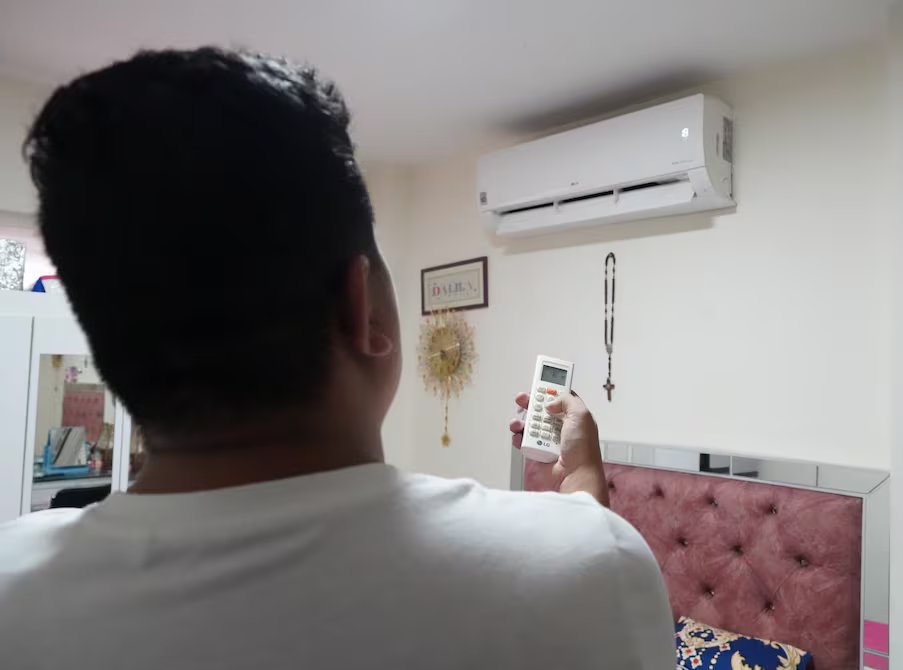
According to Muñoz, the ideal temperature to avoid triggering electrical consumption is between 25 and 26 degrees during the day and between 24 and 25 degrees at night.
Furthermore, he advised turning on the air conditioning initially in 26 degrees and then adjust gradually.
“Sometimes we turn on the air at 19 degrees directly. That consumes much more energy than having it set to 26 and, after about 20 minutes, lowering it to 24. When the change is more progressive, energy savings are achieved,” he noted.
In this context, the increase in electrical sheets It responds to a combination of climatic factors and consumption habits, which is why specialists insist on the efficient use of equipment and adequate maintenance to avoid high expenses. (YO)