
23.06.2026. 10:48 a.m
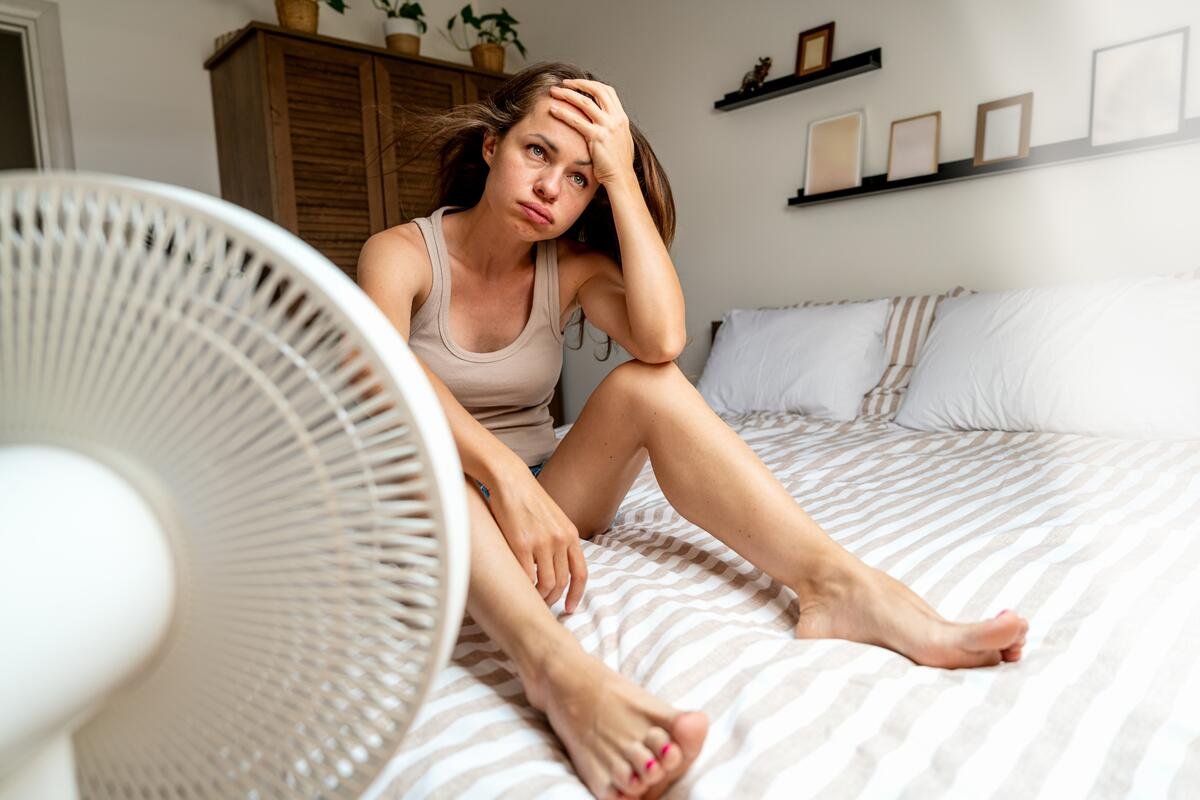
Summer brings longer days, more socializing and a feeling of carefreeness, but also temperatures that are often hard on the body. Fatigue, headache, nervousness and lack of energy are just some of the signs that the body is trying to cope with the heat.
The good news is that we can gradually adapt to high temperatures – with a few smart habits.
The body needs time
Our organism does not adapt suddenly. It takes a few days for the body to get used to warmer weather, so experts advise avoiding excessive exertion and long exposure to the sun during the first days of high heat.
It is especially important to listen to your own rhythm and not to force activities in the hottest part of the day.
Hydration is more important than we think
When it’s 35 degrees outside, the body loses much more fluid than usual. That is why it is not enough to drink water only when we feel thirsty. Small amounts of water throughout the day are the best way to keep the body hydrated. Lemonade without a lot of sugar, unsweetened teas or water with fresh fruit and mint are also good choices.
Alcohol and too much coffee can further contribute to dehydration, so they should be consumed in moderation during hot weather.
Light food, more energy
Heavy and fatty food additionally burdens the body. In summer, the body prefers light meals – seasonal fruits, vegetables, fish, salads and foods rich in water such as watermelon, cucumber or tomatoes. Smaller and more frequent meals are often a better choice than heavy lunches that leave you feeling sluggish.
Cool the space smartly
Air conditioners are a lifesaver during tropical days, but the big difference between outside and inside temperature can cause a shock to the body. Ideally, the space should be moderately cooled — pleasant enough, but not freezing.
Fans, closed blinds and airing early in the morning or late at night can also help keep the home cooler.
Sleep and rest are key
High temperatures often affect the quality of sleep, so it is important to help the body rest. Light bedding, an airy room and avoiding heavy meals before bed can make a big difference. If you feel tired during the day, a short break or rest in the shade can help the body to bear the heat more easily.
Don’t forget sun protection
The sun is not only dangerous on the beach. Sunscreen, a hat, and sunglasses should become part of your daily routine, especially between 11 a.m. and 5 p.m., when UV radiation is at its strongest.
Download the application and follow the news


FOLLOW US ON

News