Two closely related journalistic observations as a result of a one-day editorial-journalistic collegium of “Nova Makedonija”
1.
View of the 14th points of the text of the memorandum between the United States and Iran for lasting peace in the Middle East
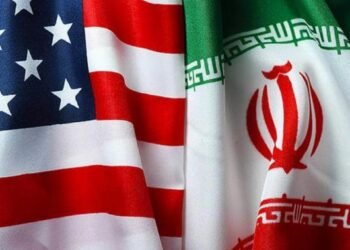
The text of the memorandum between the US and Iran represents much more than a ceasefire agreement. It is the political map of the new Middle Eastern order after the most dangerous confrontation between Washington, Tehran and their regional allies in decades.
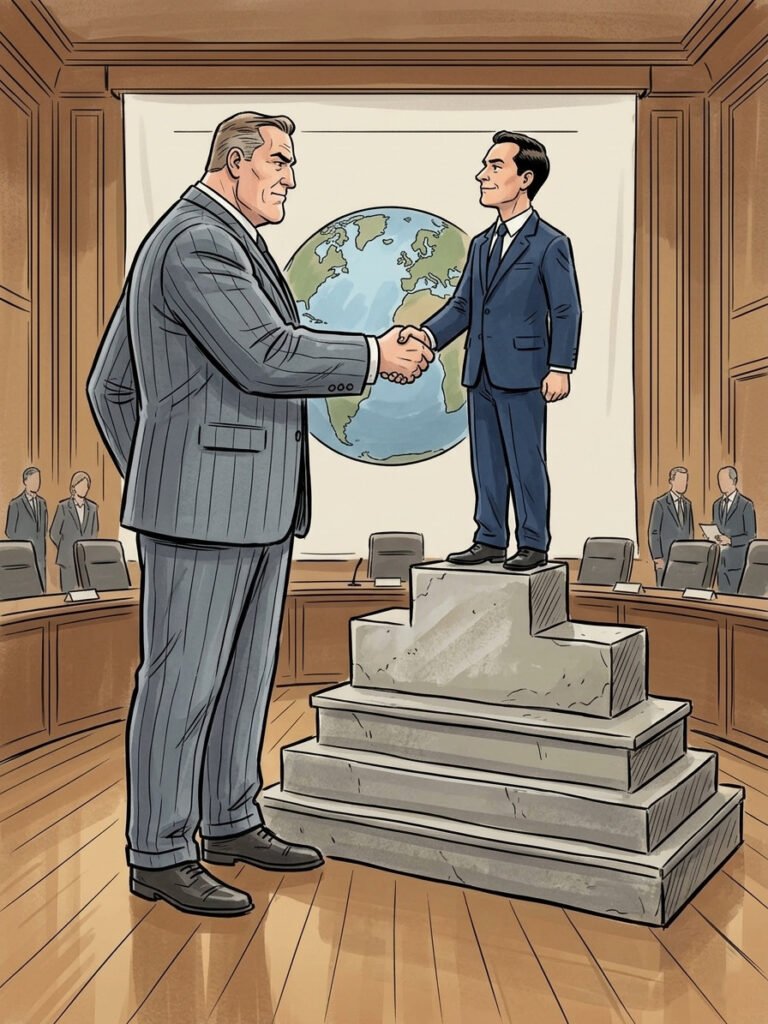
What is interesting in the document is not only what it provides but also what it does not provide. In the text there is no capitulation of Iran, no demand for the handover of power, no conditions normally imposed on defeated states. On the contrary, the structure of the memorandum shows that Tehran is treated as a force to be negotiated with, not a regime to be broken. (Exactly these points are fundamentally more important for us and are the subject of observation in the following text, on the third page.)
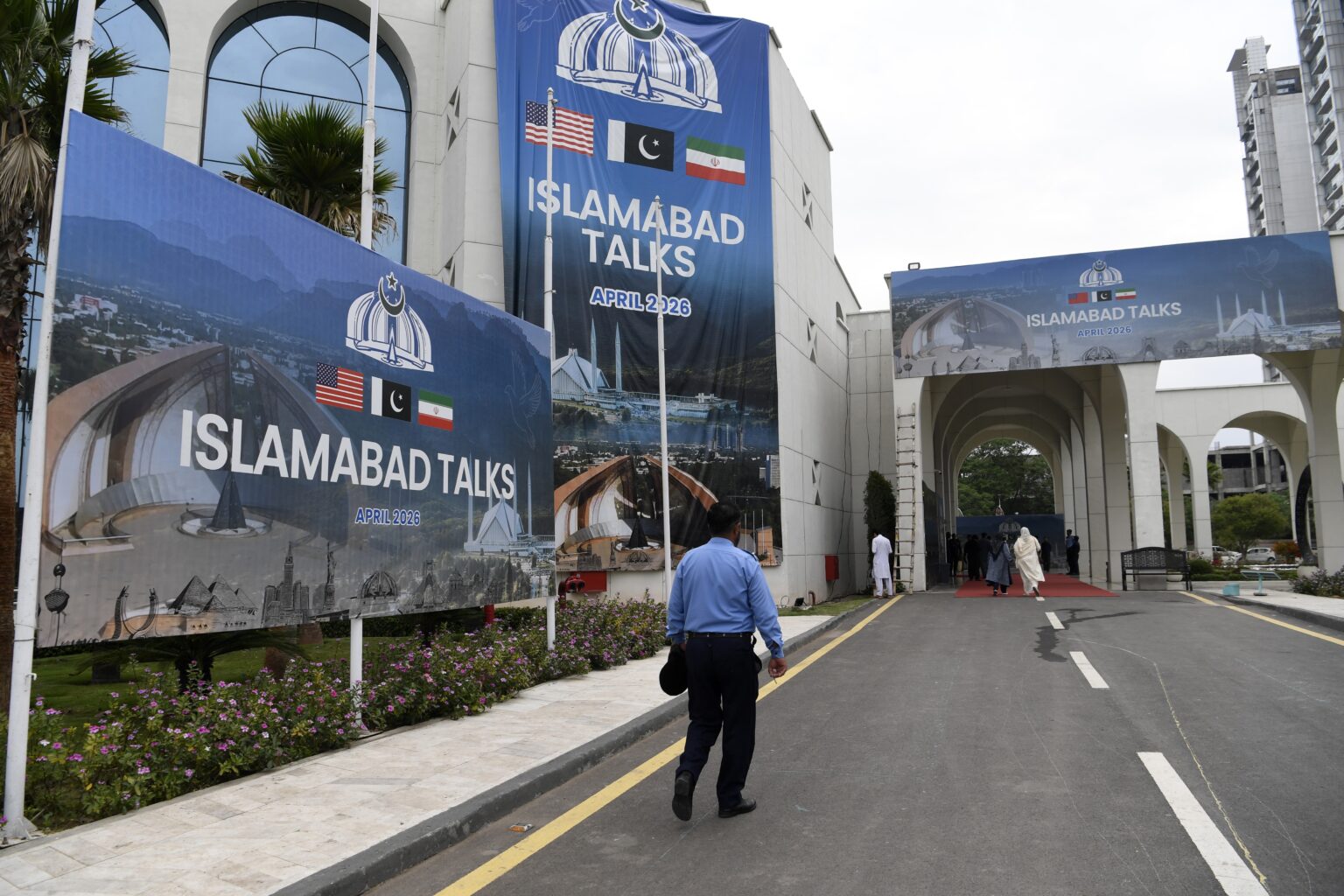
And in this text, our observation will focus on the analysis of the memorandum between the United States and Iran, in 14 points. Namely, these 14 points should be read as a political balance of a war in which no one won completely, but in which Iran managed to survive the maximum economic, military and diplomatic offensive against itself. Below is a brief analysis of each of the points in the memorandum.
First point: The end of the war without a winner and without a loser
The most important wording is already in the first article. An “immediate and permanent end to the war on all fronts” is declared, with both sides pledging to take no hostile action. This is extremely significant. If Iran had been defeated, the document would have talked about meeting conditions, disarmament or security restrictions. Instead, both sides appear as equal signatories mutually renouncing the use of force. For Tehran, this is a political recognition that it has survived.
Second point: Recognition of Iranian sovereignty
The commitment to non-interference in internal affairs is perhaps Iran’s greatest diplomatic success. For decades, the official policy of part of the American political establishment was based on pressure on the regime in Tehran. Now, if the memorandum is real, Washington would commit to the exact opposite – respect for the political system of the Islamic Republic. It represents a de facto recognition that political change in Iran is no longer an immediate American goal.
Third point: Iran is buying time
The 60-day deadline for a final agreement seems technical, but it is essentially political. Wars usually end with ultimatums. There is no ultimatum here. Instead, there is a process of negotiation. The very existence of a long negotiation period means that no one is able to impose their will on the battlefield.
Fourth point: Lifting the blockade
This is one of the most important concessions Iran would receive. The US naval blockade and military presence were key instruments of pressure on the Iranian economy. With their abolition, Tehran gets oxygen for economic recovery. Even more important is the promise to withdraw US forces from the surrounding areas after the final agreement. It practically means a reduction of American military projection around Iran.
Fifth point: Iran as guarantor of maritime security
Tehran is not presented as a threat to maritime traffic, but as an actor that should help restore it. It’s a huge change, and it’s not symbolic. The country that has long been blamed for the destabilization of the Persian Gulf is now playing the role of guarantor for its normalization.
Sixth point: $300 billion for rebuilding
If this point really exists, then it is a historical precedent. The US and its partners would commit to providing at least $300 billion for Iran’s economic development. (Honestly, we at the editorial board also found it difficult to believe that the US would provide or guarantee these funds, and perhaps, as a result of the so-called “transactional policy” of Trump, this point would be dropped from the draft memorandum. But more on that later, when the final version of the memorandum is disclosed.) In any case, 300 billion dollars for reconstruction does not look like an attitude towards a defeated state. On the contrary, it is more reminiscent of a major geopolitical compromise in which Washington is willing to financially integrate Iran into the regional architecture to ensure long-term stability.
Seventh point: Dismantling the sanctions regime!
This may be the biggest victory for Tehran. For years, sanctions have been the main weapon of US policy towards Iran. If they are abolished, then the entire system of economic pressure built up for more than four decades will be dismantled. It is particularly significant that the sanctions related to the UN and the IAEA are also mentioned. That would mean Iran’s return to the international economy.
Eighth point: The nuclear program remains alive
There is no demand in the text that Iran completely abolish its nuclear program. Iran only reiterates that it will not produce nuclear weapons. The difference is huge. Washington, according to this formulation, would abandon the maximalist position of complete dismantling and accept a compromise over the peacetime nuclear program.
The ninth point: Freezing instead of disarming
In the transition period, Iran maintains the status quo in the nuclear program. No plant closings, centrifuge destruction, or material surrenders are required. It shows that the American side actually recognizes the reality created on the ground.
The tenth point: Return of oil to the market
Iran’s oil exports are the heart of Iran’s economy. With the US exemptions, Iran could once again legally sell oil, use banks, insurance companies and transport networks. Thus, Tehran receives an immediate economic effect even before the final agreement.
The eleventh point: Release of frozen assets
This point further confirms the previous logic. Frozen Iranian assets would become available for use by Iran’s central bank. We are talking about tens of billions of dollars that have been blocked around the world for years. It would represent a dramatic financial relief for the Iranian state.
The twelfth point: Oversight mechanism
At first glance this is an administrative point. However, it has a deep political meaning. The implementation mechanism shows that both sides expect a long-term process of cooperation, not a short-term truce.
The thirteenth point: First concessions, then negotiations
This is perhaps the most interesting article in the entire document. Iran agrees to negotiations on the remaining issues only after receiving assurances that implementation of key US commitments has begun. In other words, Tehran is demanding concrete actions before making further concessions. It is the position of a confident negotiator, not a capitulating state.
The fourteenth point: Guarantee from the UN Security Council
The last point aims to solve the biggest problem from the previous agreements – the lack of guarantees.
A binding UN Security Council resolution would give Iran international legal protection against unilaterally withdrawing from the deal in the future.
It is the experience of the US leaving the nuclear deal in the past that makes this article particularly important for Tehran.
A memorandum of a country that is not only “survived”, but something much more
If these 14 points really reflect the course of the negotiations, then their most important message, according to our observation and opinion, is that “Iran is not acting as a defeated party.”
In the text of the memorandum there are no elements of capitulation, no unconditional disarmament, no demands for regime change and no occupation mechanisms. Instead, there are mutual commitments, gradual lifting of sanctions, financial assistance, recognition of sovereignty and acceptance of Iran as an unavoidable factor in the regional order.
This does not mean that Tehran won in the classical sense of the word. But it does mean that Iran has survived the strongest combination of military, economic and diplomatic pressure that could have been applied to it. And in geopolitics, sometimes it is enough, let’s put it this way, that “survival itself in this way can be interpreted as – victory”. If the memorandum is confirmed and translated into a final agreement, then historians may remember it not as the document that ended a war, but as the document that marked the moment when Iran went from being a target of regional containment to once again becoming a recognized pillar of the Middle Eastern balance of power. PR