Big question marks…
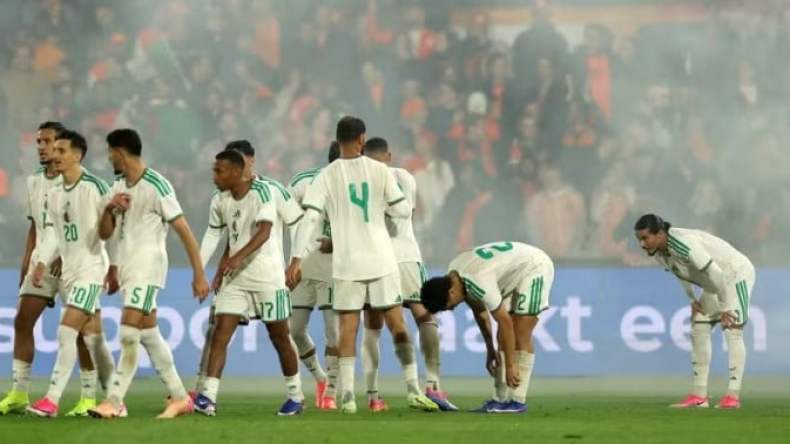
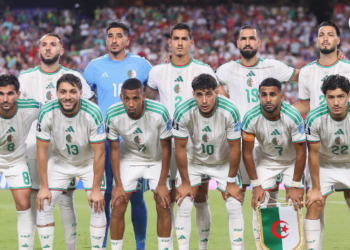
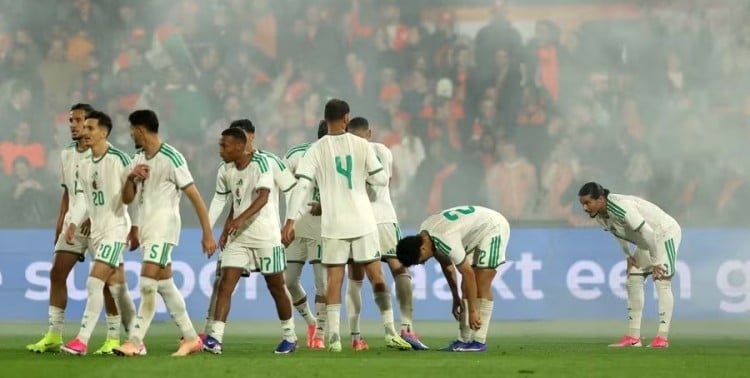
The digital and technical outcome of the Algerian team in the 2026 World Cup finals created a state of extreme apprehension in sports circles, and opened the door to fundamental and profound questions that went beyond the shock of the direct result to affect the essence of the tactical choices adopted. The exclusion from the round of 32 by the Swiss team with two unanswered goals was not the only driver of these questions, but rather the manner in which the four confrontations in the tournament were conducted, and the unjustified structural fragility in which the entire system appeared in the tournament. The global forum, which was a shock to the followers who were waiting for an appearance that matches the size of the ambitions pinned on this generation.
The shocking technical paradox that calls for critical pause and reading lies in the Algerian national team conceding a total of nine goals in only four matches, which is a rate of catastrophic defensive decline for a team that was aspiring to go far in the tournament, as this clear defect in the back line was accompanied by offensive sterility and excessive stereotyping in the process of building the game, as the Algerian possession of the ball in the periods of the second half against Switzerland turned into completely negative possession, most of which revolved in ineffective areas, and lacked effectiveness. Attacking and innovative solutions capable of penetrating organized European defences, which places the team’s preparation for decisive matches in the balance of strict evaluation.
As for the most surprising aspect, it is evident in the clear tactical inability to deal with the critical variables of the qualifying matches, and the technical staff’s lack of the necessary flexibility or effective alternative solutions in the event of a delay in the result. This organizational decline has placed the future of the Greens’ technical crossbar, led by Vladimir Petkovic, before fateful questions about the extent of the current ideas’ ability to lead the team’s future project and develop its performance in line with the high standards of global competition, especially after failing to find the required balance between the defensive and offensive sides.
Based on these realistic data, all sports readings and information derived from the scenes of the sports administration indicate that the period after this World Cup will not be like its predecessors at all. Sober media reports have begun to clearly indicate that the Bosnian coach’s career has reached a decisive turning point, and that the file of technical evaluation and accountability may open radical paths that may go beyond mere minor changes to reach contractual disengagement, which makes the future of the Algerian national team open to all possibilities in the search for rearranging the house again. And finding the lost artistic identity.