According to storm news, the latest low pressure from the Joint Typhoon Warning Center (JTWC), Typhoon Bavi in the Pacific Ocean has officially strengthened into a super typhoon.
As of the afternoon of July 4, the storm’s center was about 652 km east of Andersen Air Force Base. In the past 6 hours, the storm has moved westward at a speed of 13 km/h.
The strongest wind near the storm center reaches 270 km/h. The maximum wave height is about 15.2 m.
JTWC warned that this is a very dangerous storm system with threats including strong winds causing damage, heavy rain, storm surge, rough seas, landslides and flash floods.
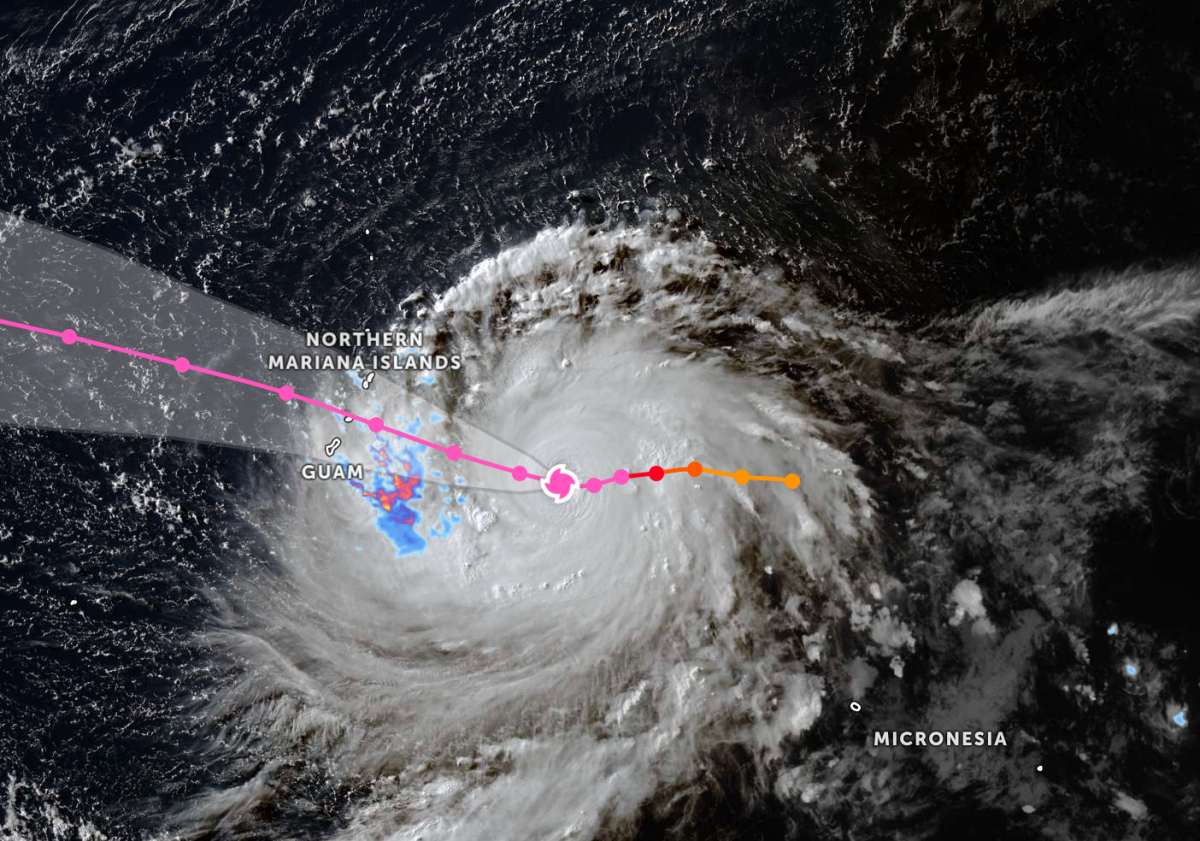
Updated at 7 am Guam time this morning, Bavi has sustained winds of 259 km/h and gusts up to 314 km/h when moving between the Marshall Islands and the Northern Mariana Islands.
The National Weather Service recommends that all people in Guam and the Northern Mariana Islands complete preparations to cope with at least the conditions of a tropical storm.
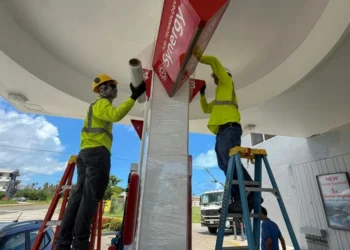
On Saipan Island, people lined up to buy gasoline, food, and drinking water, while many building material stores recorded a large number of customers buying plywood to cover their houses. Hotels and resorts also urgently closed windows, fixed outdoor equipment and prepared response plans.
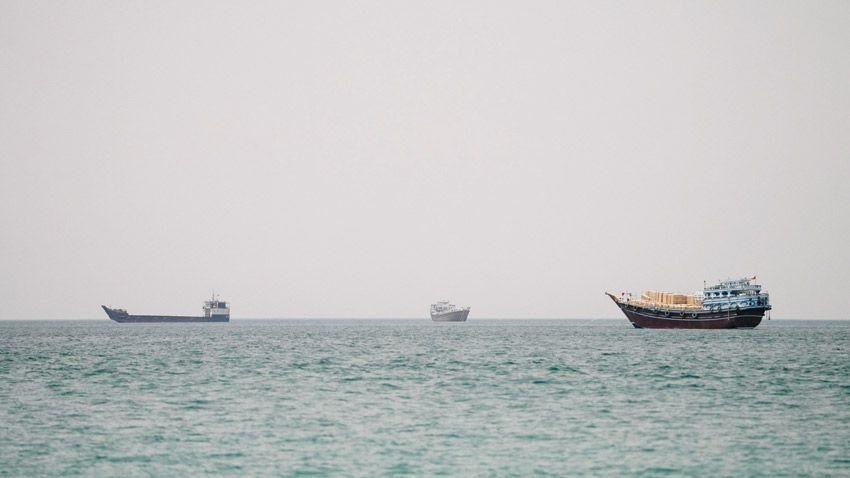
It is forecast that Bavi may weaken slightly before affecting Guam and the Northern Mariana Islands on July 6. However, the area is still in the process of overcoming the consequences caused by super typhoon Sinlaku in April, when tens of thousands of households lost power, many buildings had their roofs blown off, and a cargo ship capsized, killing and missing many sailors.
According to scientists, rising sea surface temperatures along with the development of El Niño are creating favorable conditions for tropical cyclones to increase in intensity, while increasing the risk of extreme weather phenomena appearing in the near future.
People and tourists planning to visit the islands and archipelagos where the super typhoon passes through should closely monitor weather developments. Regularly check flight schedules and follow local instructions to avoid dangerous storms throughout the journey.