Paris/The Pasteur Institute of France announced this Monday the launch of a four-year international project to achieve a new vaccine against chikungunya that is accessible to endemic populations (especially those in Africa) and that will be endowed with 15.3 million euros of European funds.
“The €15.3 million of European funding for ACT-CHIK will boost the clinical development of MV-CHIK, a chikungunya vaccine based on the measles virus and initially designed at the Pasteur Institute,” said the Paris-based virology institute.
Although chikungunya vaccines have only recently been available, their use is largely limited to travelers. The idea of this project is to make it accessible to populations in endemic areas with the goal of alleviating the problem of lack of equity in access to vaccination.
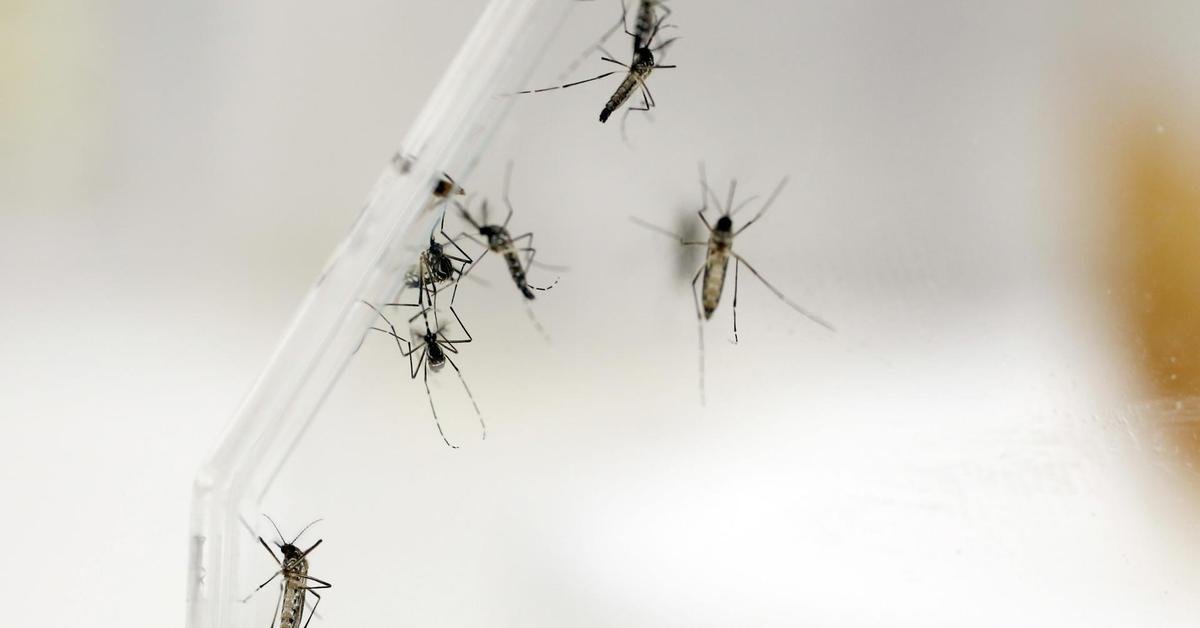
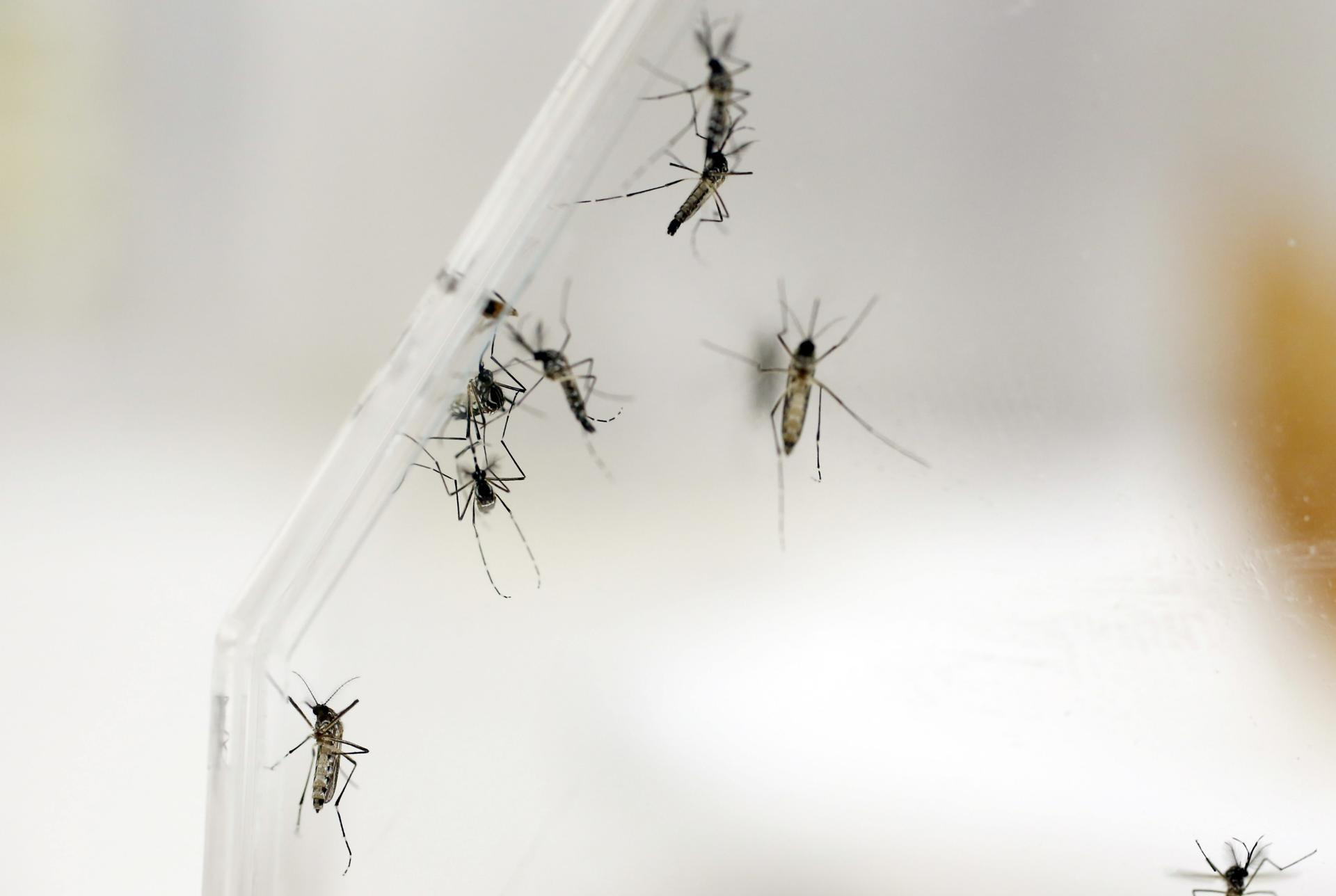
Chikungunya is a viral disease transmitted by mosquitoes. Aedes aegypti and Aedes albopictus and causes disabling symptoms, such as high fever, severe joint pain that lasts for months or even years, headaches, rashes, and fatigue.
The 15.3 million euros of European funds will boost the clinical development of MV-CHIK, a vaccine based on the measles virus
The project will seek to alleviate the crisis caused by chikungunya in Africa, although it is also a disease that, for just over a decade, has severely impacted Latin America, with Brazil in the lead, but also in Colombia, Venezuela, Honduras, El Salvador and the Dominican Republic.
In fact, Fiocruz in Brazil is one of the seven associated institutions and is in charge of manufacturing the material for clinical trials.
According to the Pasteur Institute, the program will allow “a large-scale phase Ib/III (last clinical phase) clinical trial to be carried out in four African countries, as well as the preparation of technology transfer to an African vaccine manufacturer.”
This phase will be carried out in Rwanda, Kenya, Nigeria and Senegal, will include 940 participants and will be tested on both adults and children between 5 and 11 years old.
The ultimate goal is to support the African Union’s (AU) goal of locally producing 60% of its vaccines by 2040.