Havana/In the midst of blackouts that exceed 48 hours in interior provinces and 20 hours a day in Havana – which have unleashed continuous citizen protests due to the growing popular unrest – the Cuban Electrical Union (UNE) once again forecast for this Sunday’s peak hours one of the largest generation deficits: 2,020 megawatts (MW), compared to a national demand estimated at 3,050 MW.
Blackouts hit Cubans in almost every aspect of daily life. Prolonged power outages affect the supply of drinking water, the preservation of food, and the operation of public services, including hospitals. The result is growing social unrest.
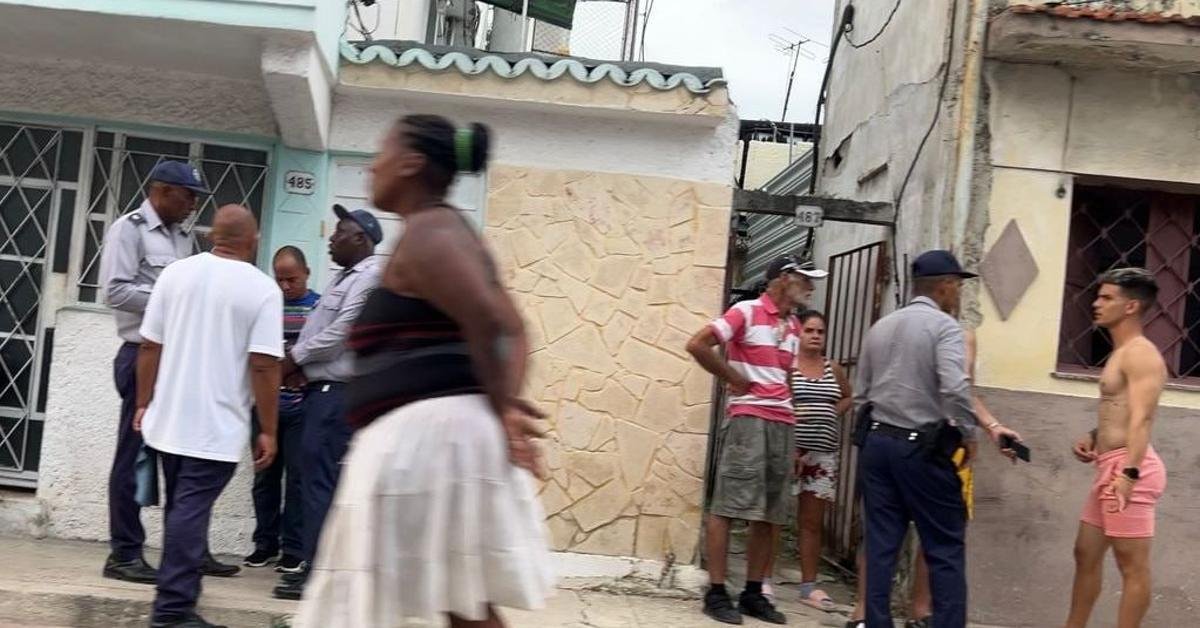
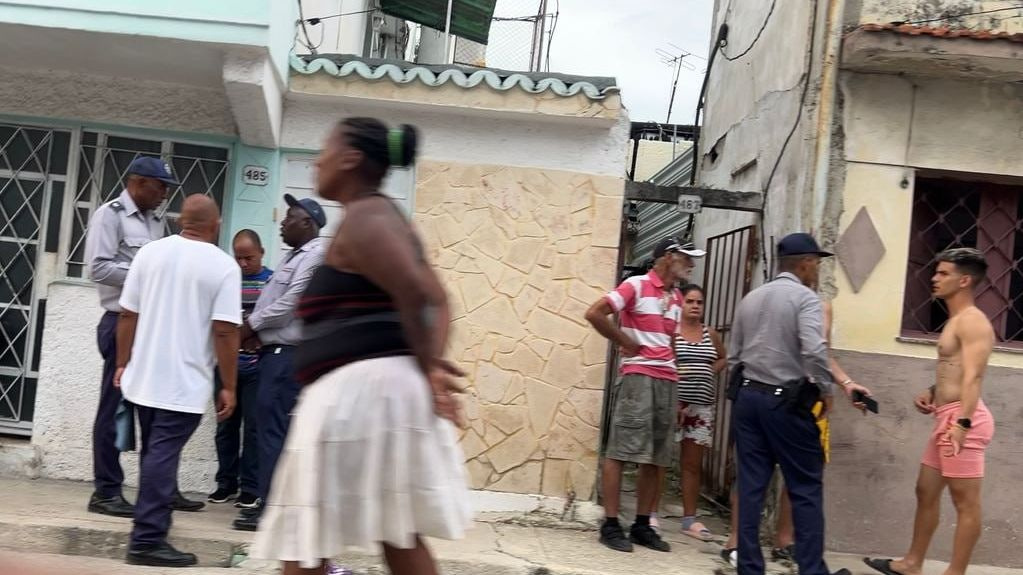
Last Friday and this Sunday, residents of the Havana municipality of Regla blocked a street after spending more than 24 hours without electricity and water. Police forces were quickly deployed to the scene. The tension decreased after the restoration of electrical service.
As of today, of the 16 thermoelectric generation units in the country, 11 are not operational due to breakdowns or maintenance work. Among them, the Antonio Guiteras thermoelectric plant – the largest generator on the Island, with more than 38 years of operation – which was disconnected from the national electrical system (SEN) this Friday for the second time in the last week.
“Unfortunately we have had repeated breakdowns, but the workers cannot be blamed, neither for poor operation, nor for poor quality work. It has been the result of the continued exploitation of the boiler for a long time”
According to declared Román Pérez Castañeda, director of the unit, its repair “will take the necessary time under the established controls.” The unit contributed 220 MW to the SEN at the time of its disconnection. This is Guiteras’ fifth outing of operations in May and the thirteenth of this year. According to official data, 50% of shutdowns are attributed to boiler failures.
“Unfortunately we have had repeated breakdowns, but the workers cannot be blamed, neither for poor operation, nor for poor quality work. It has been the result of the continued exploitation of the boiler for a long time, which at this time in an accelerated manner there is an area that is being damaged,” reported Perez Castañeda.
This Saturday, the Felton thermoelectric plant in Holguín was also disconnected due to “a failure in the automatic system of the feed water pump” – according to the UNE – but it was reinstated hours later. At that time, the unit contributed 200 MW to the SEN.
The UNE estimates that the Santa Cruz del Norte thermoelectric plant will be connected again tonight, which had left yesterday from the system through a “boiler leak”. This unit generates 60 MW for the national electrical system.
The UNE report also points out that the 54 new solar parks contribute 490 MW to the SEN at midday, despite having an installed power of 1,200 MW.
The structural problems of thermoelectric plants, responsible for 40% of electricity generation and almost all fueled with national crude oil, are mainly due to decades of exploitation that have exceeded their useful life, and a chronic investment deficit.
In addition to Guiteras, unit 6 of the Máximo Gómez thermoelectric plant is out of service due to breakdowns; units 1, 2 and 3 of the Ernesto Guevara; unit 2 of Lidio Ramón Pérez, and unit 3 of Antonio Maceo. Added to this are units 5 of Mariel, 5 and 6 of Renté and 5 of Nuevitas, currently disconnected for maintenance.
Added to these incidents are generation limitations due to lack of fuel. A total of 106 distributed generation plants remain out of service, causing a deficit of 890 MW. The Turkish chum from Regla is in the same situation.
The UNE report also indicates that the 54 new solar parks contribute 490 MW to the SEN at noon, despite having an installed power of 1,200 MW.
This Sunday protests were repeated in the municipality of Regla, also in full light of the day. Demonstrations are frequently repeated in different parts of Havana and other provinces, especially during blackout nights, with banging of pots and pans, burning of garbage cans and roadblocks. Many demonstrations have ended with police deployments and arrests of participants.