In the daily newsletter, we introduce the most important events and news that happened in the world during the past day.
Trump criticized Israel’s military tactics
US President Donald Trump has publicly criticized Israel’s military tactics in Lebanon in a rare manner. He emphasized that it is not necessary to bomb entire residential buildings to “search for militants”.
In recent days, Trump expressed his displeasure with Israel’s attacks on Beirut. According to him, Israel has been waging war against Hezbollah for “too long”.
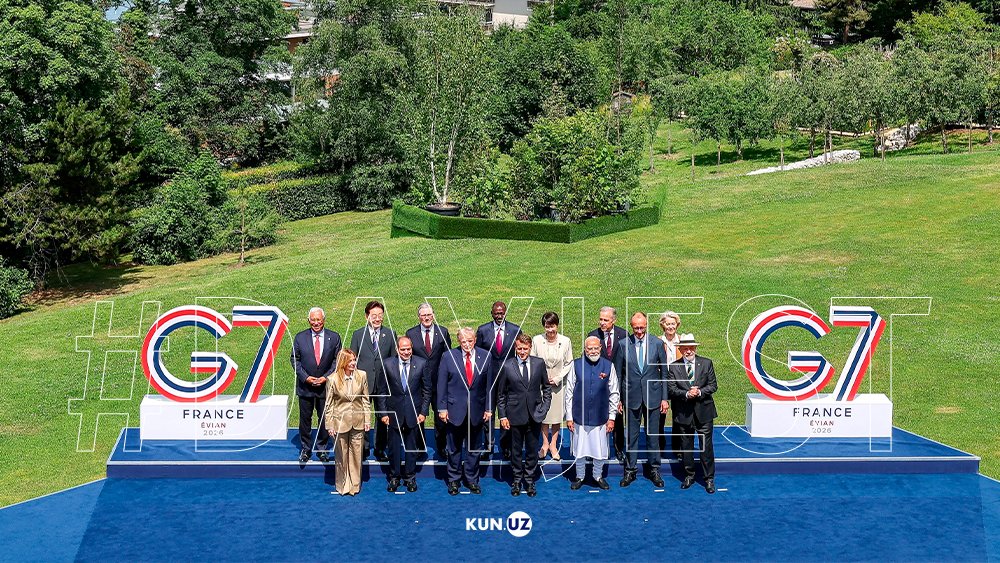
“Many people died. “You don’t need to destroy an apartment building every time you’re looking for someone, because there are a lot of people living there, and not all of them are Hezbollah,” Trump said at the G7 summit in France.
Trump said he had a “great relationship” with Netanyahu, but added that he should be “more responsible” on Lebanon. “Without us, without the United States of America, Israel would not exist. Israel would not exist without me. Because no other president was ready to do what I did,” Trump said.
The two leaders have clashed several times over Israel’s refusal to curb its pursuit of Hezbollah in Lebanon. Because the cessation of hostilities in Lebanon is the main demand of Iran.
Shortly after Trump expressed these views, a video containing these words was posted on his official page, which shares clips from the president’s public speeches. The White House noted that President Trump has a strong relationship with Netanyahu and that the Israel Defense Forces are “great partners.”
So far, Israeli officials have not commented on Trump’s words.
The issue of Ukraine at the G7 summit
US President Donald Trump said after a “very good” meeting with President Volodymyr Zelensky on Tuesday that Russia should make peace with Ukraine.
Zelensky and his European allies came to the G7 summit in France hoping to impress Trump and show that Ukraine has turned the tables on him.
Trump, who came to the summit with a preliminary agreement with Iran, said that he would do everything in his power to end the conflict in Ukraine. However, he did not disclose the exact details of increasing pressure on Moscow.
“Look, Russia must reach an agreement. I’m going to do everything I can,” Trump told reporters, adding that too many young men were being killed in the war on both sides.
After the meeting with Trump, Zelensky said that the G7 leaders agreed that Russia was not winning the war. He said additional sanctions targeting Russia’s oil exports, banking sector and military production were also discussed to force Moscow to the negotiating table.
Zelensky also said that he offered to meet with Russian President Vladimir Putin at the G7 summit on Monday. However, the Kremlin official said that this issue was not raised in the phone conversation between Trump and Putin.
According to the French diplomat, the G7 leaders have committed to providing Kiev with more air defense equipment. This is a top priority for Zelensky amid a growing crackdown by Russia.
The issue of safely reopening the Strait of Hormuz, which was closed by Iran, was also discussed during the summit on Tuesday. Leaders have been trying to figure out alternative routes to bypass this waterway. According to Trump, the strait will be “fully open” on Friday.
The Kiswa of the Kaaba was replaced
The black silk covering of the Holy Kaaba – the Kiswa – has been replaced. The ceremony was held on June 16, the first night of Muharram, which marks the beginning of the new Hijri year.
Kiswa is made every year for 10-11 months at the King Abdulaziz Complex in Makkah. The finished blanket weighs approximately 1,415 kg. It consists of two layers: an outer layer made of black patterned silk and an inner lining made of white cotton.
30 verses of the Holy Qur’an are written in Kiswa. They are sewn onto the fabric using silver and pure silver threads weighing about 200 kilograms of gold.
The new Kiswa is attached to the Kaaba with approximately 100 ropes to keep it firmly in Masjidul Haram throughout the year. About $6.5 million is spent annually on the production of Kiswani.
Kiswa used to be changed on the 9th day of Dhu al-Hijjah, when the pilgrims ascended Mount Arafat. From 2022, in order to ease the load during the Hajj season, the change of Kiswa has been moved to the beginning of the Hijri year.
Telegram has been temporarily blocked in India
The Indian government has blocked the use of the Telegram messenger ahead of the re-run of the national medical college entrance exam amid a scandal over question paper leaks.
According to the government, the Telegram platform was used to “deceive applicants – commit fraud”. The ban will be in effect until June 22, the day after the exams.
The government said it “regrets the inconvenience caused” by the ban, which will inevitably affect hundreds of thousands of people. It also informed that efforts to remove such illegal content from the platform have not been successful.
Pavel Durov, the founder of Telegram, said that this measure will not punish the real culprits, but the 150 million ordinary users in India. And the Q&A leak has migrated to other apps anyway.
Durov said that Telegram has removed hundreds of fraudulent channels in India to rectify the situation.
Ukraine again hit the Russian oil plant
On Tuesday, a Ukrainian drone strike caused a fire at an oil refinery that is the largest supplier of fuel to the Moscow region. Two industry sources told Reuters that the plant had ceased operations.
Sources said that the blow to the plant belonging to Gazprom Neft damaged the primary processing unit, which supplies 53% of the plant’s capacity.
Eyewitness footage showed heavy flames and thick black smoke billowing from the factory after the attack. Local emergency services reported that the fire was extinguished and that it did not affect the operation of the plant. However, this information contradicts the sources.
Moscow Mayor Sergey Sobyanin said that one of the facilities in the area was damaged, without giving further details.
In another case showing the serious damage caused by Ukraine’s drone strikes, Tatneft has imposed purchasing restrictions at its gas stations across the country following an attack on its factory in Tatarstan last week.
According to Reuters estimates, since the beginning of 2026, Ukraine has doubled its attacks on oil refineries, Russia’s main source of war financing. This strategy puts the Russian domestic fuel market in an increasingly difficult position. More and more regions are reporting local supply issues.