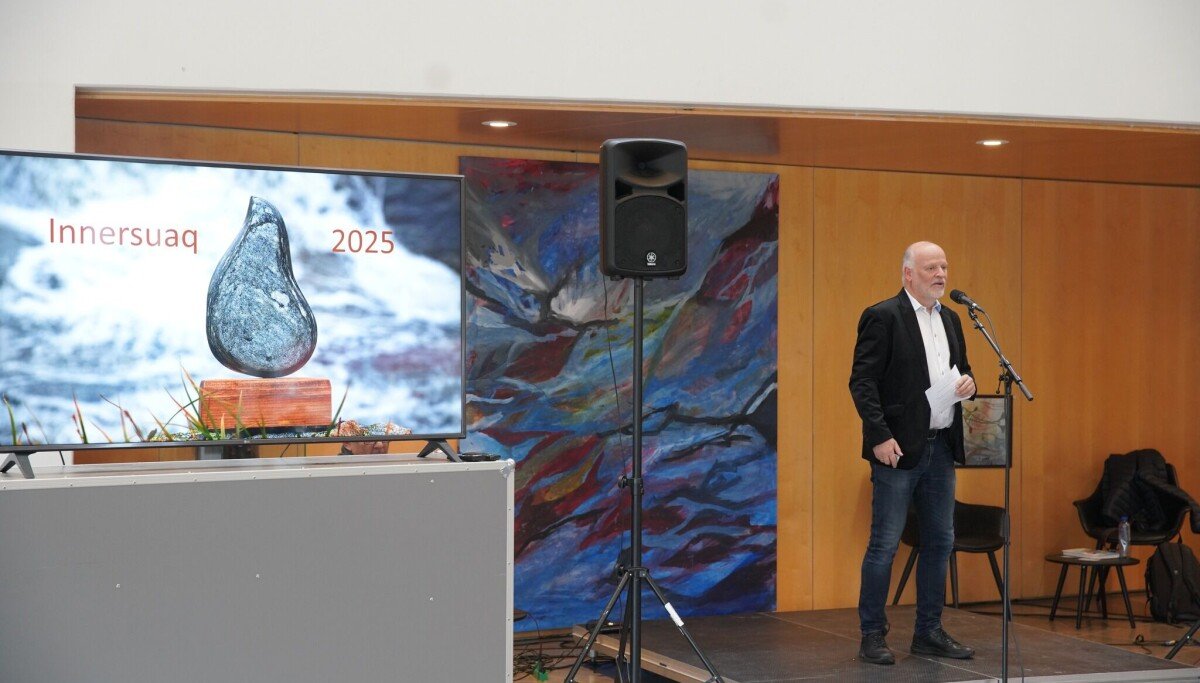
The film industry association Film.gl has got a new chairman in Mads Madsen. The self-taught actor and director, who is behind the production company Arctic Creative, was elected at a general meeting on 30 May 2026. In this connection, he gave a speech to the association’s members:
– Film.GL is entering a new era. The Film Institute is a reality today, and that is largely thanks to Klaus (Georg Hansen, ed). Seven years as chairman, seven years of patient political work that is not always visible, but which has moved the entire industry to a place we have not been before. We owe him a big thank you for that foundation. This is what we are allowed to build on now, said Mads Madsen, among other things.
The film industry association Film.gl has got a new chairman in Mads Madsen. The self-taught actor and director, who is behind the production company Arctic Creative, was elected at a general meeting on 30 May 2026. In this connection, he gave a speech to the association’s members:
– Film.GL is entering a new era. The Film Institute is a reality today, and that is largely thanks to Klaus (Georg Hansen, ed). Seven years as chairman, seven years of patient political work that is not always visible, but which has moved the entire industry to a place we have not been before. We owe him a big thank you for that foundation. This is what we are allowed to build on now, said Mads Madsen, among other things.
From several quarters, it sounds like Greenlandic film is in a special moment right now.
To put a little more words on what kind of moment it is and what has led up to it, AG has called Anders Grønlund. He has researched films from and about Greenland, and more specifically how they are made. According to him, you can talk about three waves in Greenlandic film – and we are in the middle of the latest one.

Something going on
The first wave is where Greenland’s own film industry is created.
– Here an understanding is established that Greenland can produce its own films. That there are capacities to produce Greenlandic content in Greenlandic for the Greenlandic people.
It started in the eighties, argues Anders Grønlund.
In 1985, for example, the film ‘Takorluukkat Sisamat’ premiered on KNR, which was directed, written and financed in Greenland. The approximately one and a half hour film was fiction, but at the same time had to provide information about alcohol.
It is about a man, Ujarak, who is on a human deroute due to his alcohol consumption.
– Another thing that I think has been a little overlooked are the Greenlandic KNR Christmas calendars, says Anders Grønlund.
Even though the episodes are relatively short and the budgets have been low, it is still a fairly extensive format, says Anders Grønlund, who argues in his thesis that many of those who later became significant figures on Greenland’s film scene were already working here.
– Already here, something is going on.
International recognition
In 2009, there is a change.
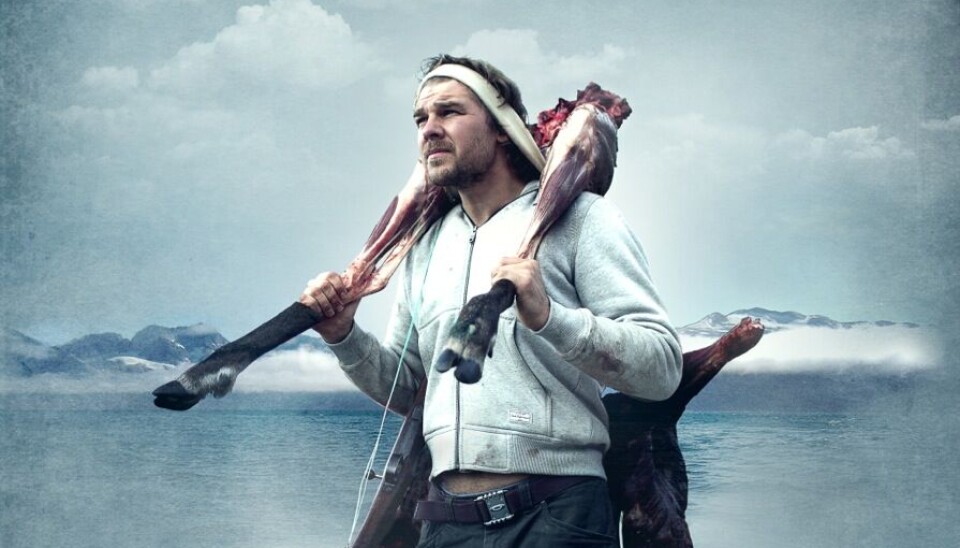
– It is quite easy to put a year on the second wave, because it is at the premiere of ‘Nuummioq’, says Anders Grønlund.
The film is about a man who finds out that he has cancer and therefore only a short time left to live.
In connection with his thesis, Anders Grønlund interviewed several figures from Greenland’s film scene, among others the director Otto Rosing.
– It was very much about showing a different kind of Greenland than the one that was overexposed in Danish and foreign content. When I interviewed Otto Rosing, he said that with ‘Nuummioq’ he wanted to show what Greenland also was.
It was marketed as the first Greenlandic feature film, and was aimed at an international audience.
– I don’t think you can call ‘Nuummioq’ the first Greenlandic film. But with it, Greenlandic film was internationally recognized.
Since then, a lot of things have happened which have helped to position Greenland’s film industry. Both as his own, and as someone who can enter into collaborations with international production companies, says Anders Grønlund.
In 2012, Film.gl was established.
– It has been an important organization that has tried to gather the forces in Greenlandic film, and represented it internationally, for example at the Berlinale (international film festival in Berlin, red)says Anders Grønlund.
In 2017, the first film festival was held, and in 2018 a film workshop was established. At the same time, several Greenlandic films have been made. Some of them have also been nominated for international film awards.
In 2022, the short film ‘Ivalu’, directed by Anders Walter and Pipaluk Kreutzmann Jørgensen, was nominated for an Oscar. The following year, Malik Kleist’s film ‘Alunngut Killinganni’ was nominated for the Nordic Council’s film prize.
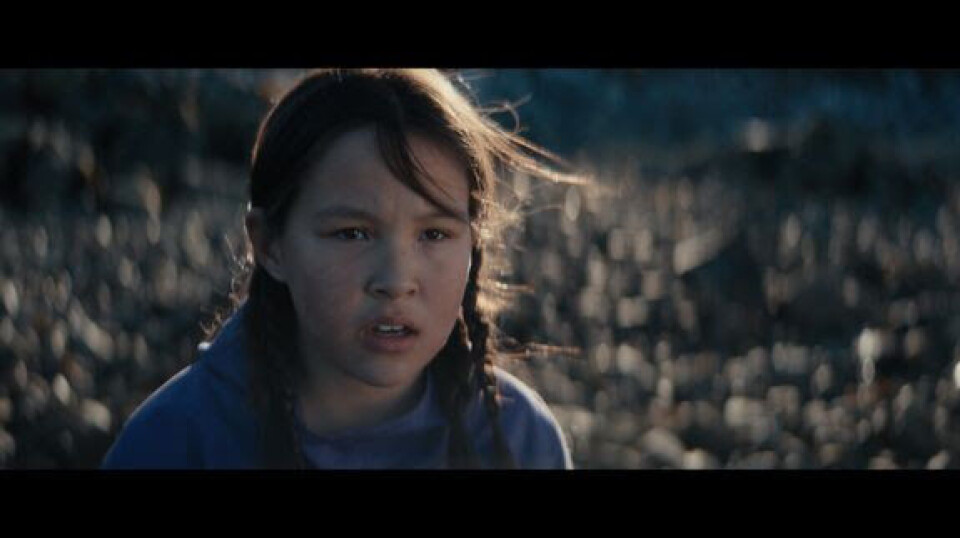
It has been a wild few years for Greenlandic film. But also tough.
A strengthened film industry
At the end of the scrolling credits for ‘Alunngut Killinganni’, there is a message:
“Please support the Greenlandic film business, this movie has been made by a very small amount of money.”
One of the major challenges over the years for the film world has been funding. Film is an expensive art form, and there has been a challenge with where to look for money for it.
– It has been called an economic no man’s land, says Anders Grønlund.
In the past 5-10 years, however, there have also been changes in that area. For example, NORDDOK and the Arctic Indigenous Film Fund have emerged as new funding opportunities for filmmakers.
– Actually, I would say that the wave that started in 2009 has never subsided, says Anders Grønlund.
But the establishment of the Greenland Film Institute still seems to be the beginning of something new.
– Where the work is really done before the industry through lobbying, financial support and knowledge gathering.
Film.gl has driven a large part of the development that has taken place until now, but it has been on a voluntary basis, points out Anders Grønlund.
At the same time, Greenland’s films have also been the subject of great international attention in recent years.
– The global focus, combined with decades of hard work and international experience, will perhaps be able to change the film industry in Greenland with the establishment of a film institute.