April 22, 2026 – 16:02
Asunción is changing, but at a cost that its own neighbors can no longer afford. While traditional neighborhoods like Las Mercedes see the birth of luxury buildings and “Instagram” cafes, architect Melina Pekholtz warns about the phenomenon of gentrification, which threatens to expel its inhabitants and empty their cultural identity from the city.
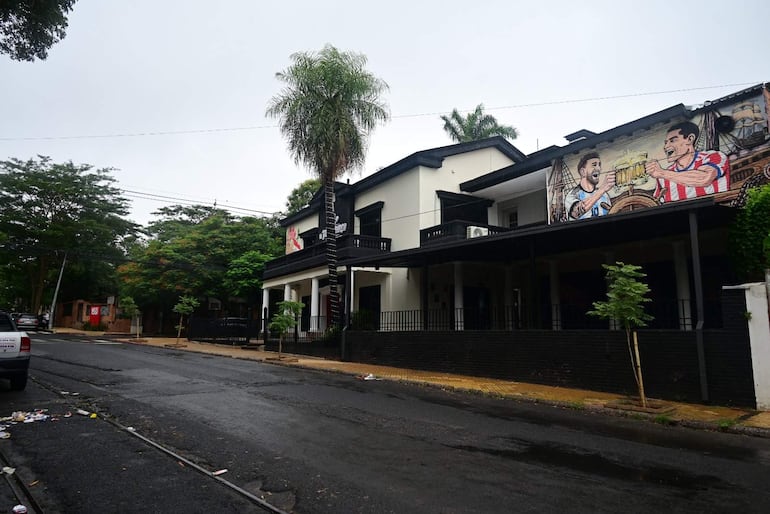
Walk down the street today Father Cardozoin the Las Mercedes neighborhood of Assumptionis an exercise in nostalgia and wonder. Where before the aroma of jasmine and chipatoday glass premises sprout with aesthetic and flavors “global“The neighborhood is ceasing to belong to its neighbors and becoming a showcase of instagram.
“Gentification is a process of urban reconversion of areas that have a certain value and use, into areas that increase the value of the land through the displacement of the original inhabitants”
Melina Pekholtz, architect
The architect Melina Pekholtz explains that this phenomenon has a name: gentrification. It is not simplyprogress“, is a process of “urban reconversion in vital areas that increase the land value through the displacement of original inhabitants” In simple words: the neighborhood becomes so expensive that those who were born there can no longer afford it.
Asunción: the signs of a strange city
For Pekholtz, the signs are clear and everyday. The landscape is filled withspecialty coffee shops with the glass at G. 30,000” and Instagram bakeries that sell “muffins, carrot cakes and red velvet”, global products that replace traditional businesses.
“Specialty coffee is coming, which costs G. 30,000 a glass, the pantry is no longer there and there is another store that sells muffins or Instagram pastries”
Melina Pekholtz, architect
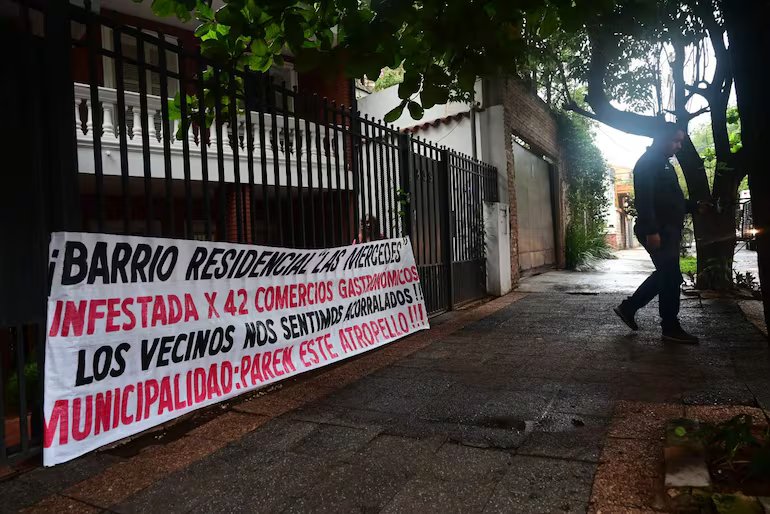
The Mercedes It is the epicenter where the neighbors are already “on the warpath“But Pekholtz warns that the phenomenon is an oil spill. Neighborhoods like New CityJara and the Port area are already in the crosshairs of this “incipient gentrification.”
There, the real estate speculation is “atrocious”, raising the prices of rents and services to the point of expelling families to the periphery of the metropolitan area.
The real impact is not just visual, it is human: families expelled because the neighborhood becomes “unlivable“Traditional businesses die and we are left with a city that seems vibrant during the day, but ends up being a”empty city” at night.
A positive or negative phenomenon?
Pekholtz’s response is blunt: “It is negative“It is because it generates speculation and does not privilege people who need guarantees for a home.
“It is negative because it generates speculation and does not privilege people who need guarantees for a home”
Melina Pekholtz, architect
Furthermore, he warns that the city is losing its personality: “It lacks identity because a spatial product is manufactured with global logic that is replicated anywhere,” he says.
Asunción and luxury buildings: washed?
But to the proliferation of “global” gastronomic establishments is added a darker background, the multiplication of glass towers. Although we see cranes all over the city, Pekholtz notices something worrying: “There is a oversupply of buildings luxury for one demand that does not exist”. Many of these apartments remain empty.
“I don’t want to generalize, because not all buildings that are being built come from a money laundering process, but there is a lot,” he clarifies.
According to the architect, part of this excessive growth does not respond to a need for housing, but rather to the fact that the construction sector is “very susceptible to making a fast money laundering and easy.” It is built to move capital, not for people to live.
The role of the authorities: The city “by exception”
What does the Municipality do about this? Far from protecting us, the municipal government acts based on “exceptions” to the regulatory plan, says the interviewee. This “complicity” allows us to change the rules of the game mid-match, which allows us “doubt ethics” of our municipal authorities, he affirms.

“This denotes a complicity or one trade to access those exceptions,” says the professional. When planning is not respected and the rules are changed to favor towers where they should be residential areas, urban ethics is lost, she points out.
To do?
Given the advance of this identity that would be on salePekholtz points out that there is no public policy support for medium or low-cost housing. The solution is to demand clear rules and real planning that is not sold to the highest bidder.
The neighborhood organization is the only shield, as demonstrated by the experience of local groups, such as “Let’s save Las Mercedes”.