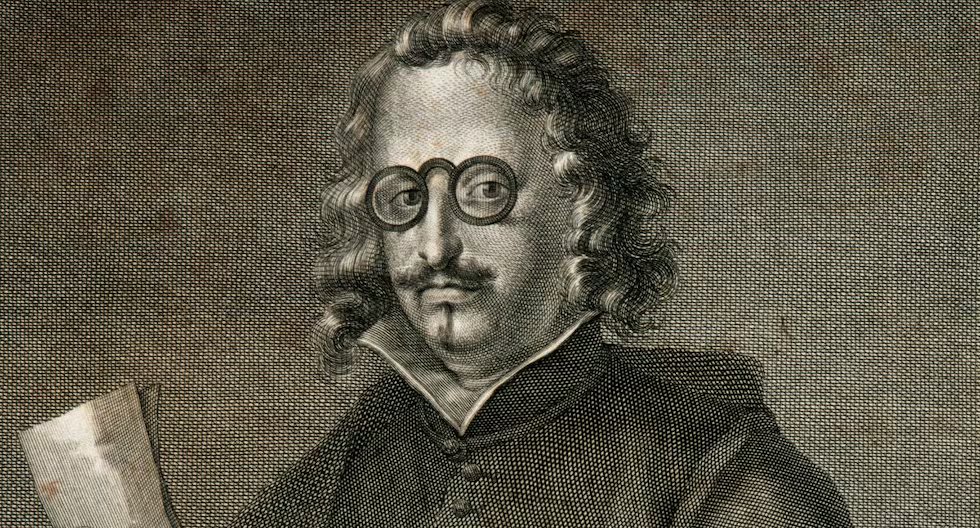

Rogues, criminals, bandits, and sorcerers have always existed but have become part of literature in recent times. Just four centuries ago they appeared as the central figures of a novel whose author, despite his self-confidence, wanted to hide in anonymity. “El Buscón”, which was not recognized but was written by the great Francisco de Quevedo y Villegas, was published for the first time in Zaragoza in 1626, and today it continues to be republished and read. Its protagonist, Pablos de Segovia, seeks to ascend socially, economically and desperately in each of its pages.
LOOK: Living on Mars from Utah: the mission of the Peruvian team that aims for space
Everything is crime in Pablos’ life. His father, Clemente Pablo, is a barber (“cheek tunder and beard tailor”) given to theft and his mother is Aldonza de Lorenzo, with a clear vocation for witchcraft. It is his father who gives him a simple instruction: “He who does not steal in the world does not live.” His 7-year-old brother, who also has a habit of stealing from his father’s clients, will end up dying from the beatings and whippings he receives in prison. This is the world then and today. Everything is prepared for a life dedicated to crime. For Pablos, crime is the only path that allows him to seek a better world.
Pablos enters a school where he meets the son of his future master. Eventually, he will only be at the service of the priest Goat, who will starve him to death. Then, he goes to Alcalá de Henares, where he suffers the abuse of the other students and learns what many victims do. It is necessary to deceive and abuse others to survive. Returning to Segovia, he goes to meet one of the most sinister characters in the book, his uncle Alonso Ramplón, an executioner by profession. His uncle Alonso tells him that he has executed his father. He also informs him that his mother is imprisoned and that an auto-da-fe, that is, the bonfire, is probably waiting for her. Alonso asks his nephew to learn the job of executioner. Pablos refuses. In the unscrupulous world in which he lives, he will never stop loving his father.
On the way from Alcalá to Segovia, Pablos meets a series of characters who seem familiar to us. A “crazy republic” who knows all the remedies to fix a country’s problems and who seeks to give advice to the king. One who claims to be the owner of a piece of the sea and who wants to dry it with sponges. An old and delirious clergyman who claims to have written a book “about the eleven thousand virgins, where I have composed fifty octaves for each one, a rich thing.”
Pablos lives with them, but wants to escape. After collecting his inheritance, he goes to Madrid. When they put him in prison, he bribes all the officials and walks free. Then he meets “la Grajales”, an “iza” of the “jacarandina”, a Sevillian prostitute and thug. Fed up with his luck, he suggests going to America. But he is pessimistic: “He who changes only his place, and not his life and customs, never improves his state.” It is not difficult to think that their descendants live with us.
Quevedo did not write an exemplary book. He wrote a comic novel. He does not judge the searcher. It tells us the story of an outcast who seeks to survive. It is an agile and modern work. Pablos remains convicted. He continues to speak in these pages, after four centuries.