In the village of Appon, Asht district, Sughd region, live the custodians of a beautiful and ancient craft: spinning and knitting from Angora goat wool. It is this wool that saves from the cold winter and protects from strong winds. Unfortunately, this handicraft is gradually dying out. Raising Angora goats has become very expensive. But despite this, local craftswomen are trying to pass on their skills to the future generation.
It was in the Asht region, due to its geographical location, that residents have been engaged in cattle breeding since ancient times. Surrounded by mountains, endless green meadows and endless steppes, this area is famous for raising a special breed of goat – the Angora. Thanks to the special types of weeds that grow here, which these goats feed on, their fur is strong, soft and shiny, like silk.
Asht district, the northernmost region of Tajikistan, borders on Uzbekistan, which is why both Uzbeks and Tajiks live together here. The cozy and quiet village of Appon is also inhabited by these two ethnic groups.
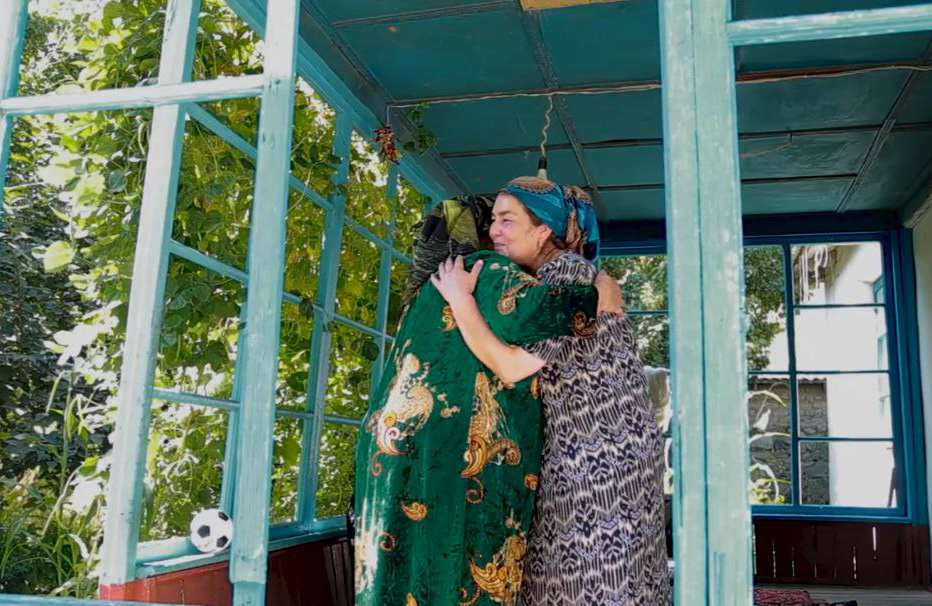
The residents here are very hardworking, and in the past there was an Angora goat in almost every house. Now there are fewer of them, much less.
Skill and patience
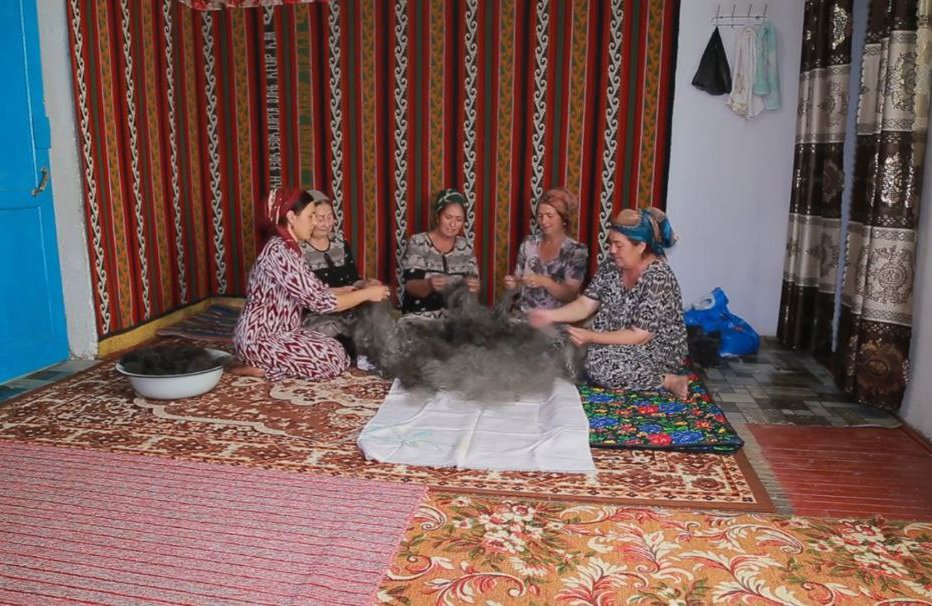
The house of our heroine Khursana Ortikova is decorated with colorful wall hangings and handmade runners. However, we came to visit her for another reason – to see how local craftswomen spin Angora goat wool, and to try this ancient type of needlework ourselves, which has been preserved in this area to this day.
To begin with, women wash the sheared goat wool, and bleach the white wool, if necessary. Then, once dried, it is crushed and softened with hands, while simultaneously clearing it of thorns and specks.
As many years ago, the craftswomen sit in a circle and sing old songs. One of these is about how a girl is waiting for her beloved to return from the army.
After the wool has become light and transparent, like fluff, the spinning process begins. Today you can find modern electric spinning wheels on sale. But, despite technological progress, our heroine still has the old one – with a foot pedal.
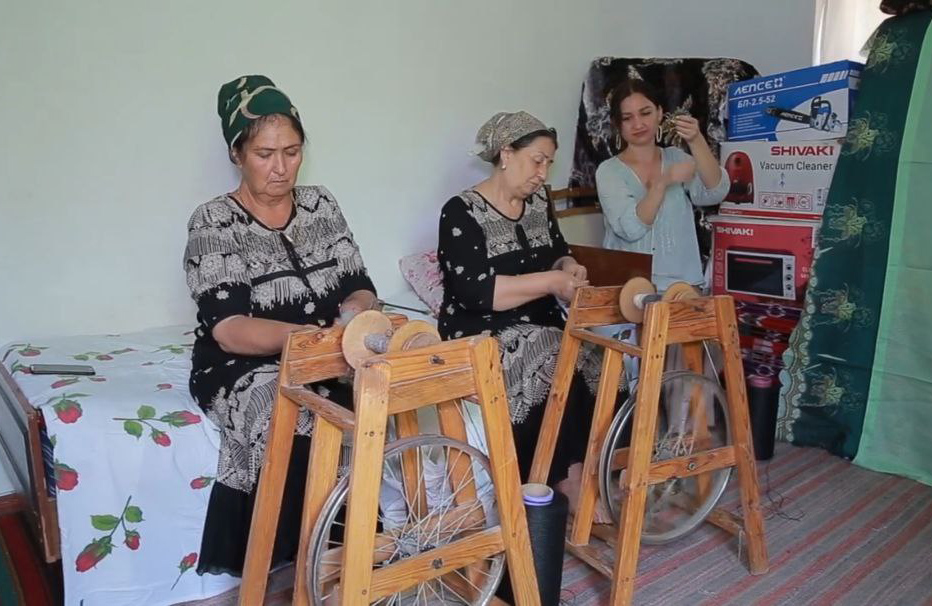
Spinning by hand is a rather labor-intensive process. This requires skill and patience – only then does the thread turn out smooth, thin and silky. It is from this thread that the famous cobweb shawls are knitted.
Sometimes Angora thread is mixed with cotton, which gives the products strength. Such mixed threads are used, for example, for knitting socks.
With love from Russian grandmothers
It should be noted that spinning yarn is considered a primordially female labor that originated in ancient Rus’. Our heroine’s family also inherited this handicraft from Russian grandmothers.
“I come from a shepherd’s family, my father and grandfather were shepherds,” says Khursanoy. “Every winter we sheared goats, and my father went to sell wool in Russia. Once in the Novosibirsk region he met a Russian grandmother, Aunt Lida. They became so friendly that her father invited her and her husband to visit us. They stayed with us for 15 days, and during this time Aunt Lida taught us all the intricacies of spinning and knitting. She taught me how to knit socks, sleeveless vests, and mittens.”
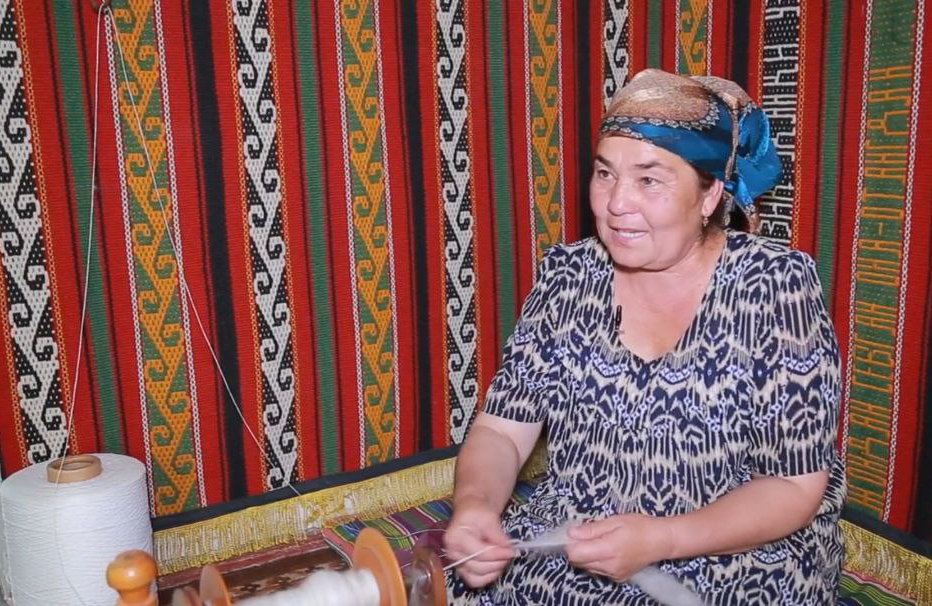
Angora products are very warm – not for Tajik winters. Therefore, for many years now, Khursanoy has been sending his products to Russia, helping miners and fishermen survive the cold Siberian winters.
Mittens for the Siberian winter
Now, unfortunately, the number of Angora goats in the Asht region has decreased significantly. Breeding them has become less profitable. The reason for this was paid pastures and expensive feed.
“Pastures have now become someone’s property, and rent is very expensive. Therefore, not everyone can keep large herds of goats,” says Khursanoy. “We continue to do this because we have our own small plot of pasture. Our regular customers from Irkutsk and Novosibirsk always wait for our products, we cannot let them down.”
According to Khursanoy, they still have to purchase some additional wool at the market. The most common are black and gray wool, and the rarest is white, which means it costs more.
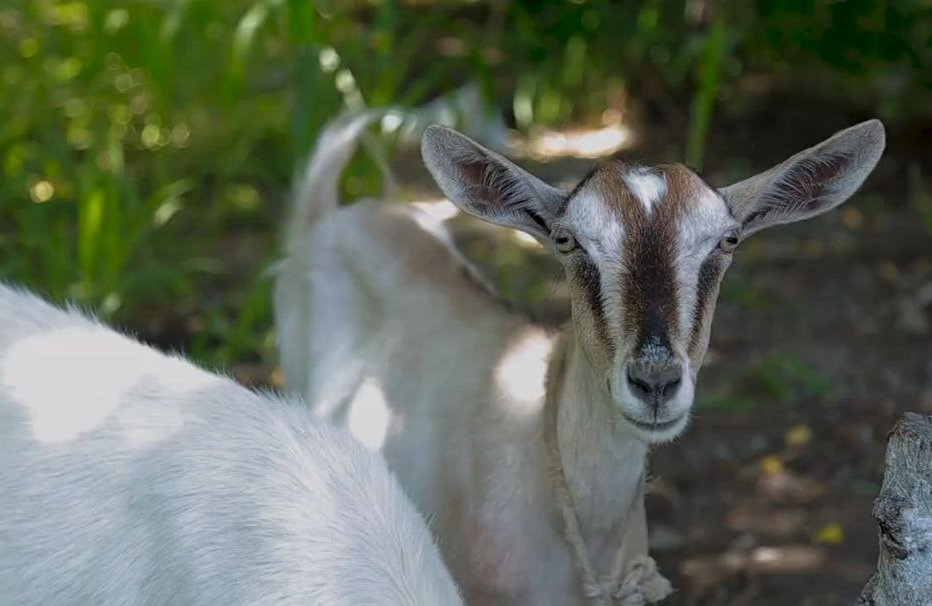
“One sleeveless vest takes about 750-800 grams of wool, depending on the size. We can knit it in two days. We knit two or three pairs of socks and mittens a day. The hottest products are men’s and children’s socks and mittens,” the woman shares.
Khursanoy taught this type of needlework not only to her daughters and daughters-in-law, but also to neighboring girls. Her growing granddaughters are also on the way.
Another craftswoman, Ulfatoy Turdalieva, notes that many men in their village are in labor migration to Russia. Women contribute to the family budget by selling their knitted products to the Russian consumer.
“To prevent back pain, we make special kurpacha stuffed with Angora wool,” says Ulfatoy. — We also add this wool when knitting tracks. Such bedding under your feet is very good protection from drafts and cold floors, especially in winter. There is not a single woman in our village who would just sit at home. Even if angora wool is not available, regular sheep wool is used.”
Local activists
Asht craftswomen spoke about the women’s club, which was created in the village in 2004, and unites several dozen activists.
The club is run by local resident Tursuna. And the club itself is named after local activist Kunduz Momo, who was a tractor driver and collective farm foreman in the 60s.
“The women in our club are very active – they knit, bake, and weave. We have our own charitable foundation – funds go to support women, schools, hospitals and vulnerable families. On the first of every month we gather at the club and discuss future plans. If the holidays are approaching, we buy gifts. Once a year we all go out into nature together,” says Tursunoy.
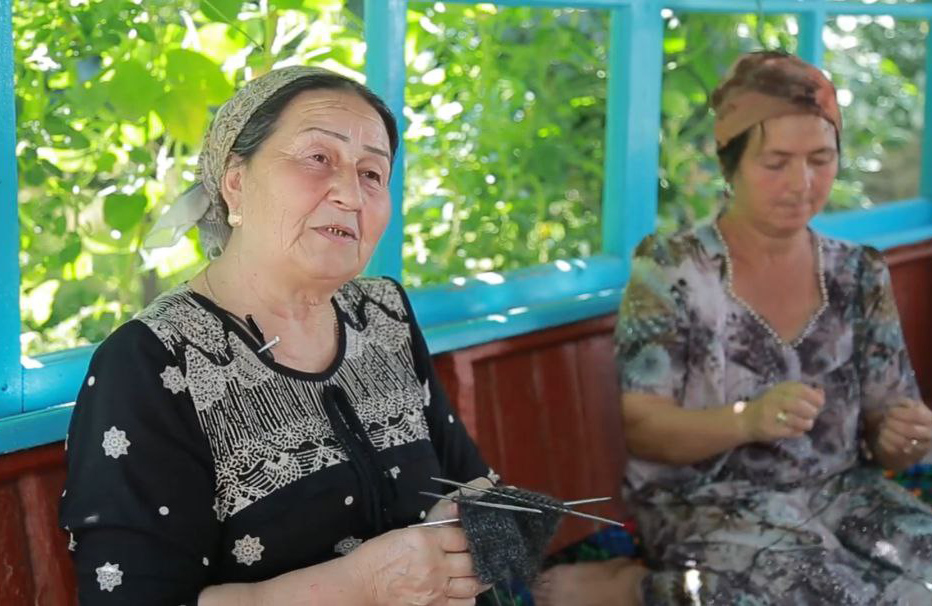
They also actively participate in craft exhibitions. Tursuna said that one day a Polish delegation became interested in their knitted products, and even invited them to Poland. So, for 10 days, Asht craftswomen taught Polish women the skills of spinning and knitting.
After talking with Asht women and leaving the cozy village of Appon, for a long time we were left with a feeling of nostalgia and some special warmth – as if we had plunged into childhood for one day and visited our grandmother in the village.