The Finance Bill, 2026, scheduled for debate in Parliament next Wednesday, contains a range of measures aimed at providing tax relief, boosting energy investment, and increasing fines and penalties across several sectors.
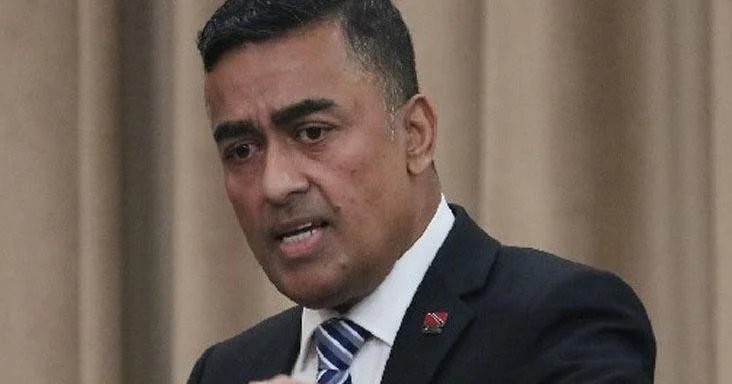
Finance Minister Davendranath Tancoo laid the bill in the House of Representatives yesterday.
In a subsequent release, the Ministry of Finance said the legislation addresses several key Government policy areas, including tax exemptions for approved pension fund plans and deferred annuity plans, pension reform for the protective services, revisions to the gaming tax regime under the Liquor Licences Act, and amendments to the Landlord Business Surcharge.
The ministry said in keeping with the Government’s fight against crime, the bill also seeks to strengthen criminal penalties across a wide range of offences.
The 31-clause bill proposes amendments to more than 30 pieces of legislation and introduces a mix of fiscal, tax, energy, pension, regulatory and administrative reforms.
Among the most significant measures is the removal of taxes on income derived from approved pension fund plans and deferred annuity plans for residents of T&T.
The bill also introduces a new tax credit for landlords. Individuals and companies paying the Landlord Business Surcharge will be able to claim a tax credit against their annual income tax liability, up to the amount of tax owed.
To encourage charitable giving, individuals and companies making contributions to Government-approved funds established under the Exchequer and Audit Act will qualify for tax deductions.
Individuals may claim deductions of up to 20% of income or $20,000, while companies may claim deductions of up to 15% of chargeable profits or $100,000.
The legislation also seeks to stimulate investment in the energy sector through incentives for marginal marine gas fields. These fields would benefit from a reduced royalty rate of 8% and enhanced capital allowances of 130% on qualifying expenditure over five years. The measure applies to offshore gas fields with reserves of 300 billion cubic feet or less and an internal rate of return below 15%.
Another major proposal affects prison, police and fire officers. The bill would allow pensions and gratuities to be calculated based on the salary of a higher office in which an officer acted continuously for at least one year before compulsory retirement.
The legislation also proposes reforms to the Registrar General’s Department, including expanded electronic filing, mandatory submission of identification documents and supporting records, and the ability for companies to voluntarily apply to be struck off the register.
Fines and penalties
Changes are also proposed to gaming and liquor laws, including increasing the maximum number of amusement machines permitted on certain licensed premises from 20 to 33, introducing a quarterly gaming tax regime and increasing penalties for breaches of the legislation.
The bill would also prohibit the importation of goods produced through forced labour.
In addition, fines and penalties would be increased under several laws, including those governing gambling, tobacco sales, forestry offences, sawmill operations, wildlife conservation, animal health, shipping, motor launches, pesticides and toxic chemicals, liquor licensing and the manufacture of spirits.
One of the most significant changes is contained in the Tobacco Control Act. The bill proposes substantially higher penalties for tobacco-related offences, with fines ranging from $150,000 for a first offence to as much as $600,000 and three years’ imprisonment for serious matters tried in the High Court.
The sanctions would apply to offences such as selling tobacco products to minors, illegally displaying tobacco products and other breaches of the act.
Other major penalty increases include:
• Forests Act: Penalties rise to $150,000 for illegal timber removal and related offences.
• Sawmills Act: Operating without a licence would attract fines of up to $150,000.
• Conservation of Wild Life Act: Maximum fines increase to $150,000.
• Liquor Licences Act: A new offence would carry a $25,000 fine, one year’s imprisonment and possible licence revocation for exceeding the permitted number of gaming machines.
—Anna Ramdass