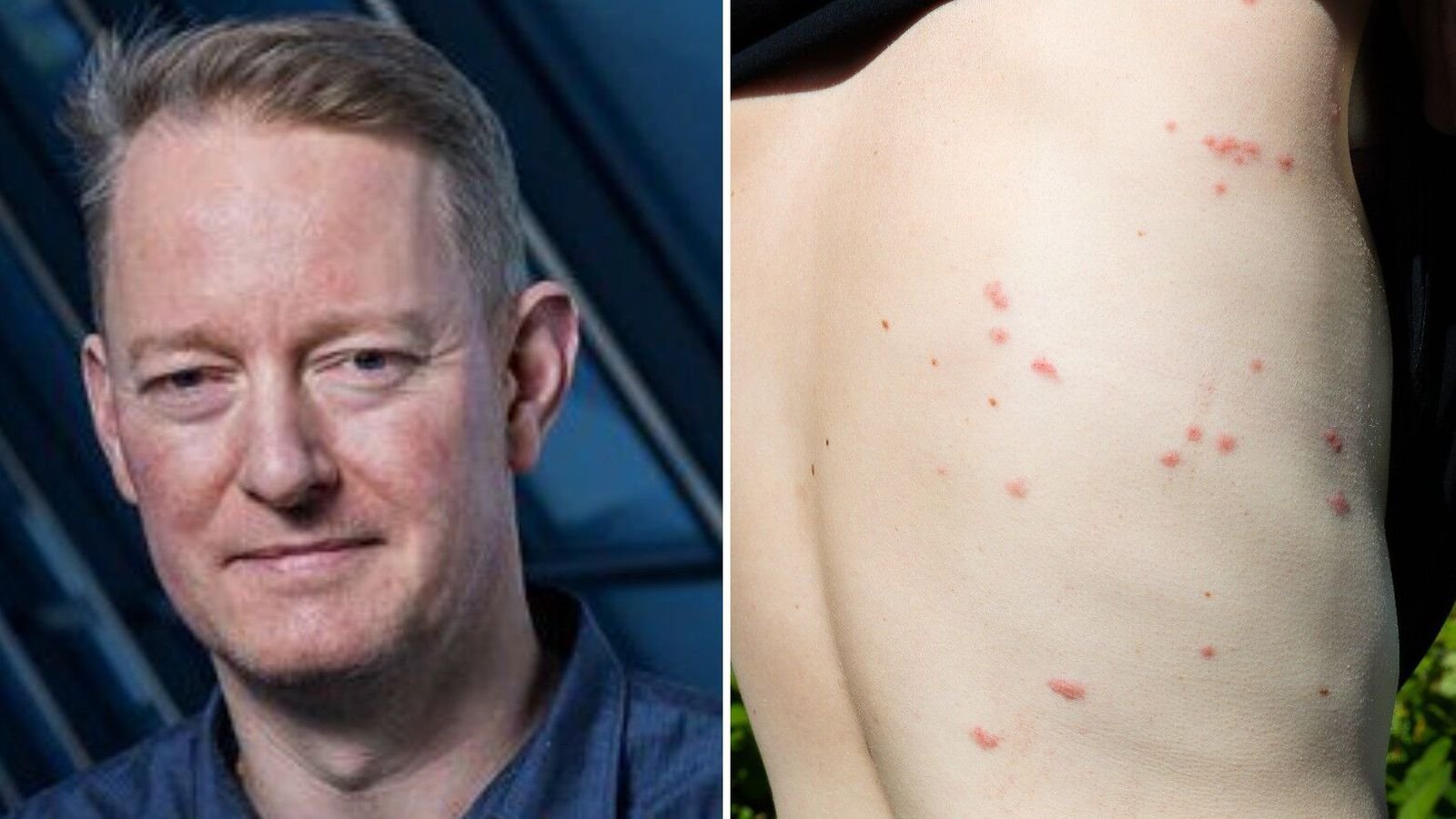
Summer is just around the corner, and the well-known vagrant, the louse, will probably be on the prowl soon. Although the fly has spread across the country at an alarming rate, little is actually known about its behavior. Arnar Pálsson, professor at the Faculty of Life and Environmental Sciences of the University of Iceland, has spent the last three summers together with a group of scientists trying to change that and researching the lice.
“The obvious result is that there are most of them in the summer and most of them in July. There is a slight difference between years. For example, there was a noticeable amount of them in the summer of 2024 but less in the summer of 2025,” says Arnar.
Why he doesn’t know though. The fly has only been here for a little over a decade, so it is still difficult to determine whether the weather conditions during the winter have a decisive effect.
“There were fewer flies last summer. Was that a reflection of the harsh winter before that or some kind of temperature fluctuation? This winter has been curious, so we can’t really say whether it will be a good or bad summer of aphids this year.”
A phylogeny works best
The group has found out a lot, like that so-called poison traps work best on the fly, that is, traps that release carbon dioxide and imitate the body odor of humans. Arnar says that having such a trap on the terrace or balcony can help in the fight against lice.
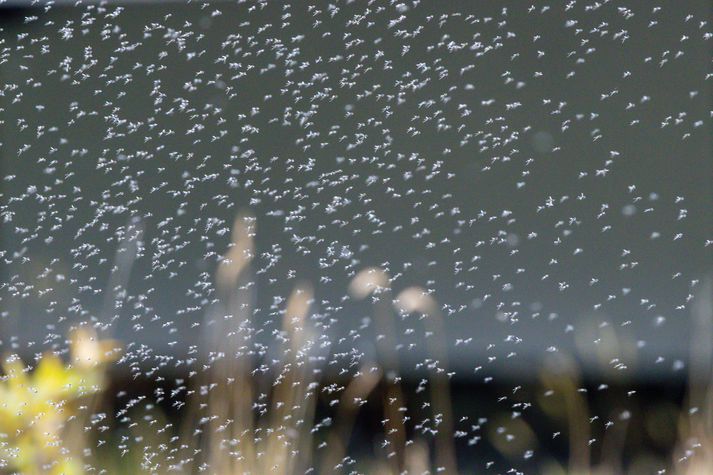
However, the part of the investigation related to finding the hatcheries has yielded nothing.
“We’ve set traps pretty widely; in grasslands, peatlands, scrub and lupine beds, on water surfaces and bogs, but we haven’t found a single fly in those traps. They’re breeding somewhere, but we just haven’t found any places where they’re hatching.”
It was hoped that the hatcheries could be found so that the number of flies could be reduced, as is done with mosquitoes in many places abroad. Arnar says the louse is very opportunistic and that the rapid spread is explained, among other things, by the fact that they travel with people.
A national effort
The research has so far been carried out with the support of Rannís, and Arnar says it will not be continued this summer – despite the fact that the big question is still unanswered.
“The Institute of Natural Sciences is monitoring several places, so they can at least see the distribution and number of flies. But with the hatcheries, of course, a national effort is needed to deal with it,” says Arnar Kiminn. “We are ready to participate in that of course.”