The murder, a year ago, of Roberto Samcam shocked the Nicaraguan community in exile and confirmed that persecution does not always end when a border is crossed.
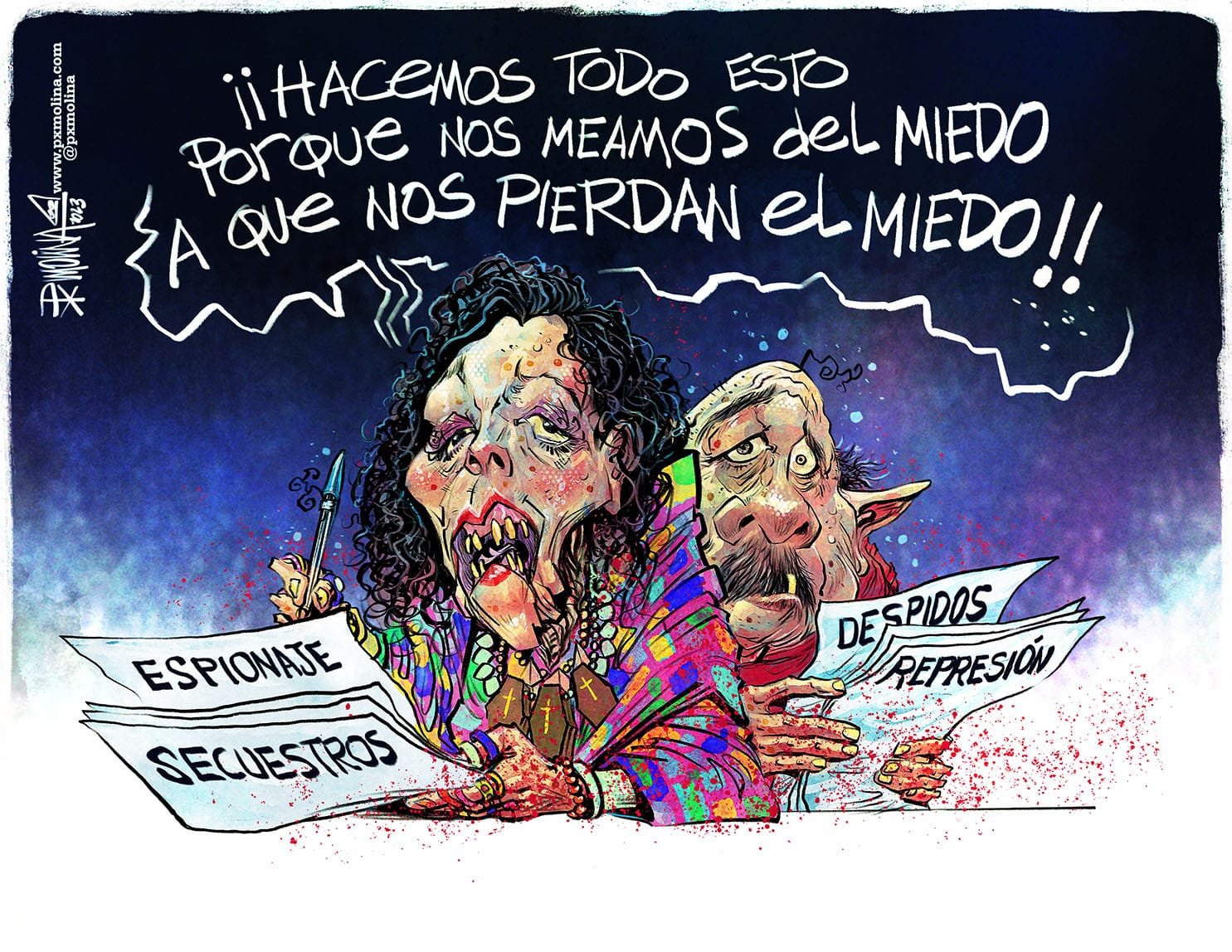
Fear radiated into the Nicaraguan social body – it paralyzed and destroyed. Facing fear does not mean ignoring the risks but rather preventing it from paralyzing citizen action.
Hundreds of thousands of Nicaraguans arrived in Costa Rica seeking protection and the possibility of rebuilding their lives away from repression; an important part of them remains in Costa Rican territory. They are separated families, interrupted projects and lives suspended between two countries.
The repression that caused the exodus is still active. The threats, surveillance, harassment and episodes of violence that have affected exiled people are palpable. But there is another phenomenon that deserves attention: the way in which fear is reproduced and ends up conditioning collective life far beyond those who have been direct victims of repression.
Repression can be costly; fear is efficient
Repression does not need to punish everyone to influence everyone. Often it only takes a few hits for the message to reach the rest. The effectiveness of repression does not depend on everyone being persecuted; it depends on enough people believing they could be.
Repression rarely operates indiscriminately. Its effectiveness lies precisely in the fact that a limited number of acts of violence can produce much broader consequences. When a threat is credible, when an attack occurs or when a person is murdered, many others modify their behavior.
Once fear sets in, the community itself begins to police itself; People limit their behavior by themselves. People talk less, participate less, expose themselves less. Organizations retreat. Distrust is gaining ground. What deteriorates is not only the feeling of security, but the ability to act collectively.
Fear spreads like fire
Scary stories circulate, images are repeated, rumors spread and each new episode seems to confirm that no one is safe. Little by little, the exception begins to be perceived as the rule.
In recent weeks, for example, lists of people who would be targeted have circulated. Perhaps these warnings responded to sustained concerns. But the way that information was spread produced something different: an accelerated spread of fear. The lists traveled from phone to phone much faster than any serious analysis of specific risks or protective measures.
The result is known: people begin to remain silent, withdraw from public spaces, reduce their participation and avoid any action that could expose them.
Fear modifies behaviors. That is precisely its function. Those who carry out repression know this well.
Consider the risks, seriously
A threatened community needs information. But you need information to act, not to paralyze yourself. When warnings become rumors or forecasts that are difficult to verify, fear begins to do the job of those who seek to intimidate.
This reflection is not intended to minimize the suffering of those who have been persecuted or to ignore the traumas accumulated by years of political persecution. Nor does it attempt to relativize the seriousness of transnational repression. On the contrary. It is about insisting that a serious problem requires serious answers.
Threats must be investigated. The risks must be assessed technically. The institutions responsible for providing protection must act rigorously. The safety of exiled people cannot depend on rumors or symbolic gestures. When fear replaces analysis, speculation replaces facts and uncertainty ends up benefiting those who wish to sow it.
May fear not have the last word
The recent history of the Nicaraguan diaspora demonstrates that intimidation has not completely prevailed. Despite the threats, there continue to be organizations, media, activists, human rights defenders and ordinary citizens who refuse to accept that exile means giving up their public voice.
None of this means that the risks should be ignored. They exist and must be faced with caution. Nor does it mean demanding individual heroism. Each person knows their circumstances and their limits But a community cannot build its future solely around fear.
The question facing the Nicaraguan diaspora today is not whether there are risks. They exist. Nor whether transnational persecution is a legitimate concern. It is. The question is another: whether fear will end up defining the limits of citizen action.
Those who exercise repression understand perfectly the political power of fear. Democratic societies should understand something equally important: protection is not just about keeping people safe; It also consists of preserving the conditions so that they continue acting as active citizens.
Freedom does not begin when fear disappears; It begins when fear stops defining the limits of citizen action.