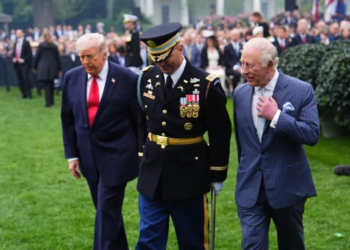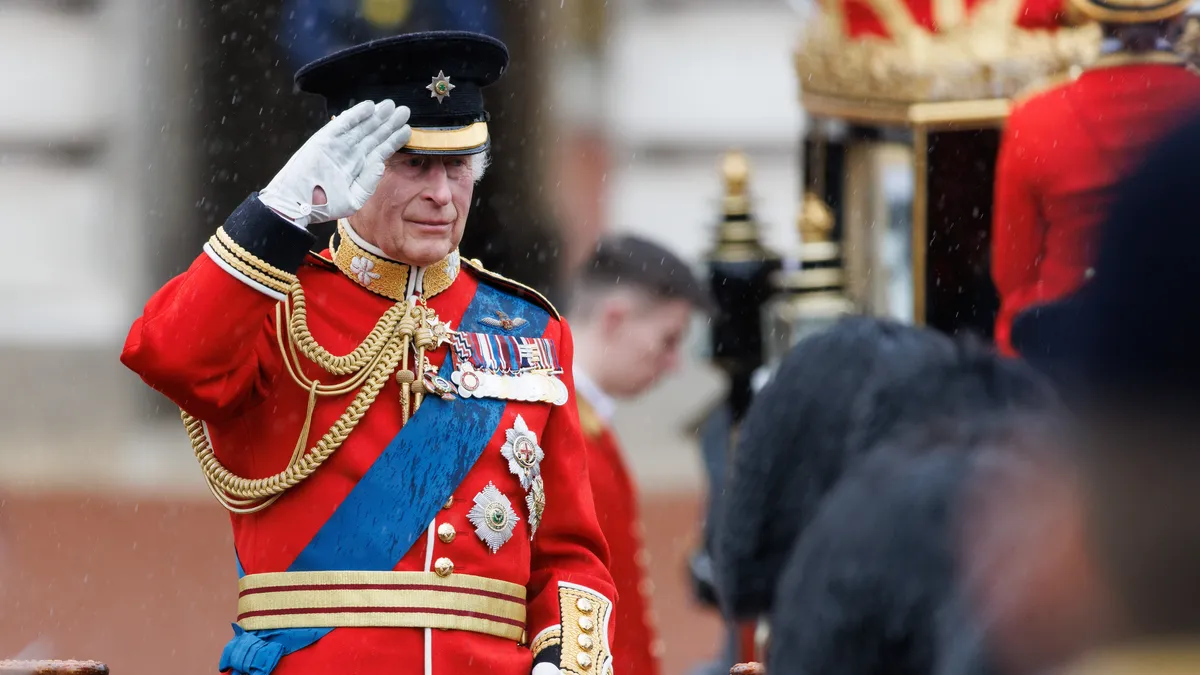
The king arrives amid some serious challenges. On the one hand, there is the shadow of the scandal surrounding Jeffrey Epstein and his ties to the British elite, including Prince Andrew and former US ambassador Peter Mandelson. On the other hand, the growing tension between political leaders. Donald Trump has openly criticized Britain for its stance on the conflict with Iran, and Prime Minister Keir Starmer has also shown he is not inclined to back down under American pressure.
The current cooling in relations is the most serious since the Suez Canal crisis in 1956, when the US forced Britain, France and Israel to withdraw from Egypt. Today the situation is different, but the tension is high again – the US is acting together with Israel against Iran, while the European allies are worried, but without any real influence on the development.
At the start of Trump’s second term, relations appeared more stable. Starmer even invited him on an unprecedented second state visit to Britain, and the two countries reached an agreement to reduce tariffs. The NATO meeting also went well, with a commitment to increase military spending. Then Trump even compared the relationship between the two countries to “two notes in one chord.”
Today, however, the tone is radically different. Disagreements over Russia, Ukraine, Greenland and especially the war with Iran have led to open attacks. Trump accused the Europeans of cowardice because of limited access to military bases and refused to help them open the Strait of Hormuz. Although the criticism is not directed at London alone, it weighs more because of the historical proximity between the two countries.
Longer-term factors also create additional tension. Britain’s role as a bridge between the US and Europe has weakened since Brexit. Washington is increasingly focused on China, and Trump’s approach – skeptical of alliances and international rules – is at odds with British foreign policy. At the same time, negative perceptions of Great Britain are increasing in American society.
Public attitudes are also changing. If at the beginning of the century the mutual approval between the two nations was over 80%, today it has fallen significantly – especially in Great Britain, where only about a third of people have a positive opinion of the USA, the publication continues with the analysis.
Despite political friction, at the institutional level cooperation continues, especially in the fields of defense and intelligence. But there are problems here too. The British Army has been criticized for weakened capabilities, from a lack of equipment to limited combat readiness. The country has serious resources such as nuclear deterrence and advanced military platforms, but its real capability for independent operations has declined.
Intelligence cooperation remains stronger, especially within the Five Eyes alliance, but that too is in question. Some US analysts are even suggesting new partnerships to replace existing ones.
All this presents Britain with a strategic choice. After the 1956 crisis, she decided never to distance herself from the US again. Today, however, this position seems increasingly vulnerable. A growing number of experts believe that London needs to balance its relations by moving closer to Europe.
Ultimately, while Donald Trump welcomed King Charles III with the necessary diplomacy, his message is clear – the US now sees Britain as a weakened global player rather than an equal partner.
The question is where London is looking.