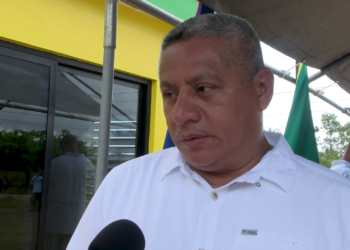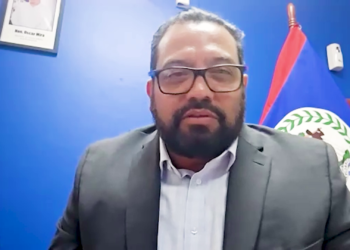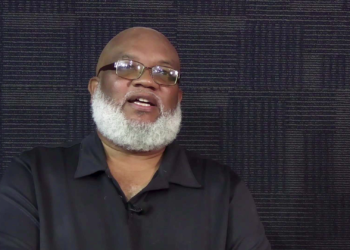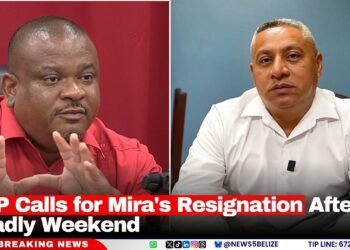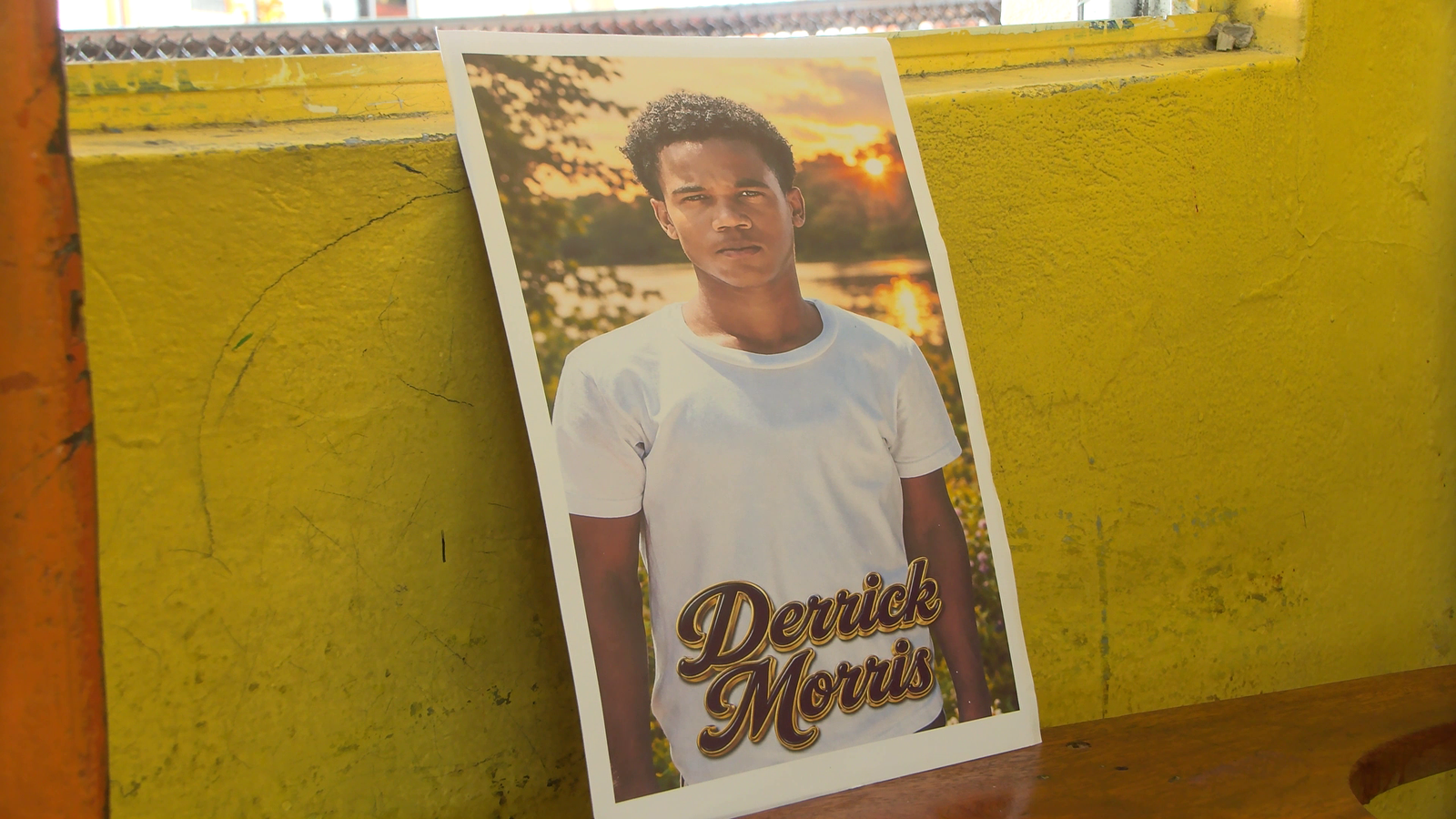
A teenager’s life cut short is sending shockwaves far beyond the crime scene, reaching straight into Belize’s classrooms. The murder of a seventeen-year-old student is forcing a difficult conversation about just how safe our schools really are. As grief ripples through students and teachers, educators are now left balancing mourning with maintaining order in already vulnerable communities. The tragedy has also stirred political debate, with concerns raised about whether schools can truly shield young people from escalating violence. Tonight, we look at the growing emotional toll on students and the tough reality confronting schools on the frontlines. News Five’s Paul Lopez reports.

Patrick Faber
Patrick Faber, UDP Senator
“Look at the young man Morris, high schooler, seventeen-years-old.”
Paul Lopez, Reporting
The shocking murder of seventeen-year-old Derick Morris, a third-form student at Sadie Vernon High School, has stunned the nation. Belizeans are struggling to make sense of the senseless act of violence that cut short a young life filled with promise. The tragedy quickly became a major point of discussion at today’s UDP press conference and has since dominated conversations across the country. Many are grappling with the reality that a teenager has become yet another victim of gun violence.

Deborah Martin
Deborah Martin, Principal, Sadie Vernon High School
“Grieving and the sorrow behind losing somebody is tough and we don’t have enough time to, it is like it happens and we have to move on.”
On Monday, Principal Deborah Martin spoke about the grief that fills the school campus when a student loses their life, especially in such violent manner.
Deborah Martin
“I know the school’s location is in a spot that people would deem as a hot spot. It is a school that caters to the students in this area. They have selected to come to this school because of its location and the hard reality is that schools are located in areas where you have gang activities prevalent and it is not only singular to this school that you have such events occurring.”
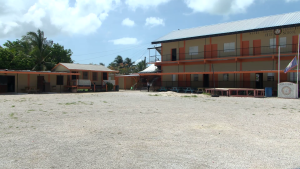 Schools like Sadie Vernon sit in some of Belize City’s toughest neighborhoods, where violence and gang activity are part of daily life. For many students, that danger doesn’t stop at the school gate, and sometimes spills inside. Still, these schools and dedicated teachers remain a lifeline. Without them, many young people would slip through the cracks. UDP Senator Patrick Faber, himself a high school educator, knows that reality firsthand.
 Patrick Faber
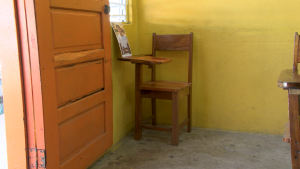
“You know that I am high school teacher right now and I could only imagine the very same scenario at the school in Southside where I teach where the very students who are his everyday friends come to school ready to take an exam but his classmates have a candle on his desk, that spot where that student should be. Not only will he not be able to take the exam, but it has destroyed the psyche of every one of the students in that school.”
Grief often takes a back seat in the classroom. Principal Martin points out that even in the wake of tragedy, the school day must go on; assignments are due, exams loom, and course requirements don’t wait. It’s a harsh reality: students are expected to process loss while keeping up with their academic demands, leaving little room to pause, reflect, or heal. She fears that this normalizes this form of loss among students.
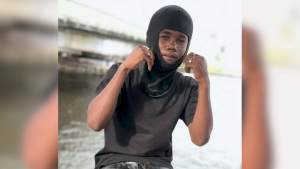
Derrick Morris
Deborah Martin
“So that is tough or the hardness behind this kind of reality and it poses challenges such as students fearing to come to school because you don’t know who might want to come to school, there is the risk you take in moving around in this community and the entire city, because it is not limited to this area alone.”
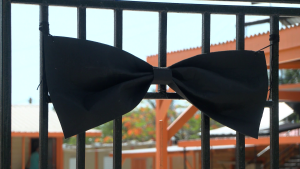 The Briceño administration provides free education across all government high schools in Belize City, highlighting the importance placed on these institutions as buffers in high-risk communities. But are these programs enough?
Patrick Faber
“That formula for school financing reform saw the schools that took on the students who came from the kind of poor socioeconomic background get more money per student, so that they can provide the support, student support is very important, so that you can find out what is happening in the home. We need to make sure they have their right equipment and eat everyday. Nuh tell me bout the government free education program where they provide two-ninety-five per student, everybody know that cant feed a child for the day.”
As students and teachers continue to cope with loss, the question remains whether enough is being done to shield young people from the violence surrounding them. Reporting for news Five, I am Paul Lopez.
Attention readers: This online newscast is a direct transcript of our evening television broadcast. When speakers use Kriol, we have carefully rendered their words using a standard spelling system.
Watch the full newscast here: