In foreign policy, the decisions of a head of state should be evaluated by their results, not by current controversies over the calendar. It was questioned that President Keiko Fujimori traveled to Asia a day before the farewell ceremony of Pope Leo XIV. However, the distance, the time difference and the agendas of his interlocutors made it necessary to take advantage of an opportunity that would be difficult to repeat: APEC and several high-level bilateral meetings. When trade agreements, investments and cooperation in the face of emergencies like El Niño are at stake, the results must also be part of the evaluation.
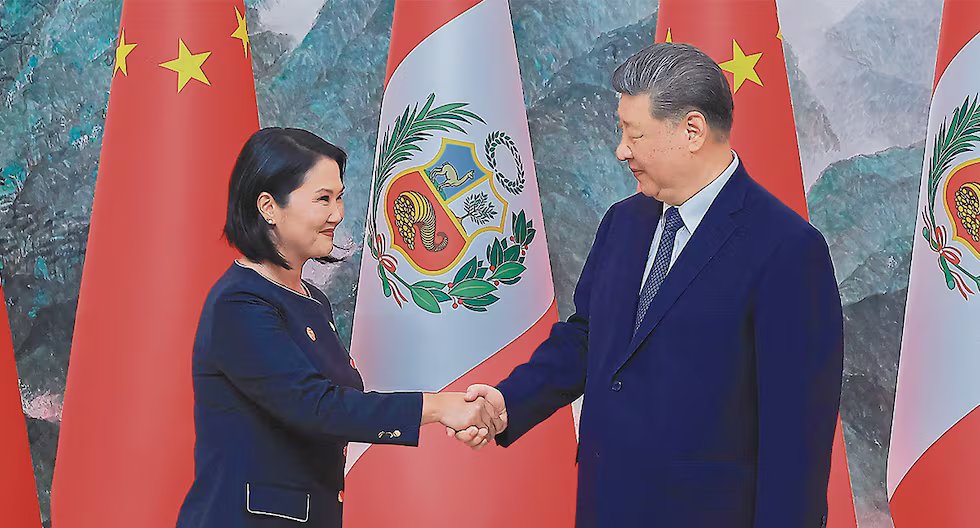
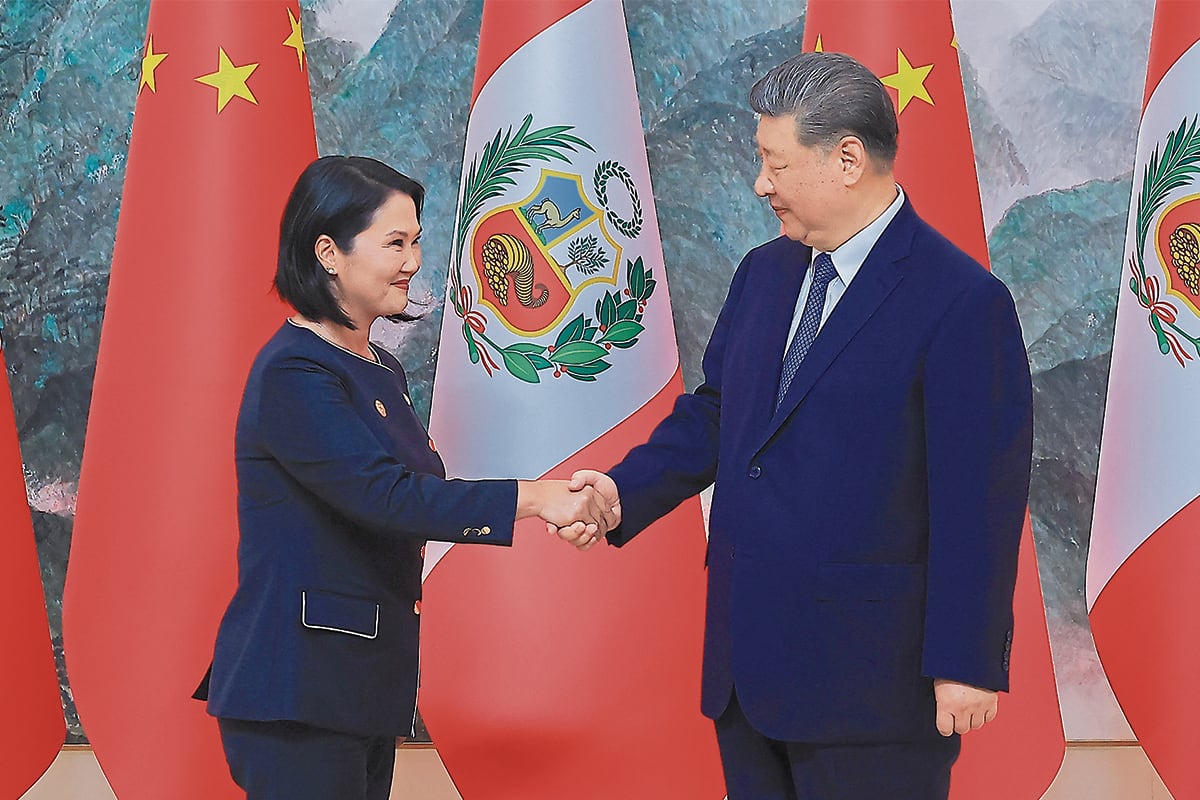
Fujimori’s meeting with Chinese President Xi Jinping in Shenzhen confirms that importance. Beyond photography, it allowed us to strengthen the Comprehensive Strategic Partnership, address economic priorities and expand cooperation. The value of the visit lies both in the immediate commitments and in the opportunities it can open in the medium and long term.
China is our main trading partner and, for twelve consecutive years, the main destination of our exports. In 2025, bilateral exchange reached US$50,441 million: 3.3 times that registered with the European Union and 2.5 times the exchange with the United States. The relationship generated a surplus of US$14,814 million for Peru. These figures explain the importance of maintaining a fluid and permanent economic dialogue.
The results support a 55-year diplomatic relationship, elevated to a Comprehensive Strategic Partnership. Presidential dialogue allows us to strengthen positions and give predictability to a link that drives a significant part of our economy. Defending the national interest requires pragmatism: keeping channels open with our main partners and turning political dialogue into concrete opportunities.
Among the results announced, the contribution of US$22.5 million from the Chinese Government to mitigate the effects of El Niño stands out: US$15 million in non-refundable aid and US$7.5 million in machinery. Added to this is Xi Jinping’s formal invitation to President Fujimori to make a state visit to China.
On a commercial level, the optimization of the FTA with China opens better conditions for exchange and opportunities for our agricultural exports. Cooperation in new energy and artificial intelligence should also be taken advantage of. Shenzhen, one of the main technological and industrial hubs in the world, offers useful references on innovation and productivity for Peru.
But the most recent result of the Asian agenda has a reach that goes beyond China. This November 19, within the framework of APEC 2026, Peru and Thailand signed a Free Trade Agreement, in the presence of President Fujimori and Prime Minister Anutin Charnvirakul. The agreement culminates a long negotiation process and represents a concrete step in the diversification of our markets in Southeast Asia.
Once it comes into force, the new instrument will increase preferential access coverage to the Thai market, which has more than 72 million consumers, from 66% to 94%. It will open opportunities for products such as wooden furniture, fruit juices, honey, pet food and fish meal, in addition to expanding possibilities for Peruvian professional and financial services companies. It is no small result: in 2025, bilateral trade reached a record of US$739 million and Peruvian exports totaled US$120 million. The signature does not yet imply the entry into force of the agreement, as the corresponding internal procedures must be completed; but it does establish the framework for a broader and more diversified commercial relationship.
The APEC agenda included meetings with representatives from Vietnam, Brunei, Singapore, Mexico, Chile, the Philippines and Hong Kong, as well as meetings with Peruvian and American investors interested in critical minerals. Peru can deepen its ties with China and, at the same time, attract capital and cooperation from the United States and other Asia-Pacific economies. There is no contradiction: foreign policy must avoid false dilemmas and translate international competition into investment, technology and employment.
The tour will continue tomorrow in Japan, a historical partner with which Peru maintains a strategic roadmap until 2033. The planned meeting with Prime Minister Sanae Takaichi will allow for follow-up on that agenda and explore opportunities in trade, infrastructure, innovation and cooperation. Your balance sheet must consider the commitments that are actually made.
In conclusion, prioritizing economic diplomacy over a few hours of protocol in Lima does not mean downplaying the importance of institutions or traditions. It means recognizing that international presence must produce results. The signing of the agreement with Thailand, cooperation with China and the agenda with Japan show the value of an active foreign policy. It is now up to the State, the regions and the private sector to transform these agreements into exports, investment, employment and well-being.
Irma Montes Patiño has a degree in International Relations from George Washington University.
Source link