Eight days are a long time if you have someone to keep your agenda. Last Wednesday, President Keiko Fujimori received Pope Leo XIV at the Palace. Today he is in Shenzhen, at the APEC summit. It is necessary to give credit to his government for having gone from the salvation of the soul to the opening of markets with the same gesture of serene satisfaction.
What I like is the handshake.
There is a second, when the photographers already have the photo and no one yet dares to lower their hand, when the powerful one looks like any of us. He smiles a little more than necessary, looks out of the corner of his eye and waits for someone to tell him that’s it. I have always wanted the photographers to leave at that precise moment. Let’s see who lets go first.
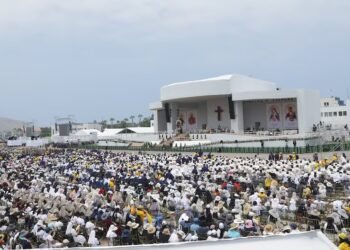
The Pope’s visit had something that no press office could manufacture. In Chiclayo, people were waiting for him who remembered him from when he was bishop and they could pass him without anyone telling them where to stand. In the Palace, of course, everyone had their place. It is natural that the president would want to be in that photo. The strange thing would have been for a government that has been trying to convince Peruvians for days that they are already experiencing a moment that they will remember for a lifetime to miss the opportunity.
Its president of the Council of Ministers, Luis Galarreta, in the balance of the 100 days, said that people would remember that start as a “breaking point.” The effects, he explained, would be seen in six months, in one year, in two, at the end of the mandate.
I am amused by the trust with which Galarreta has disposed of my memories. I usually wait for something to happen to me before I remember it. And if a ruler asks me to save room in my memory for what he plans to do in two years, the first thing that comes to mind is to ask him what he did on Tuesday.
Precisely, last Tuesday, without going any further, there were transporters who marched to Congress because of the extortions and murders. That day the Minister of the Interior, César Astudillo, highlighted the new measures against crime and warned that anyone who lent their bank account to an extortionist would end up in prison.
The phrase has the virtue of fitting in its entirety in a headline. If I had to take a bus at five in the morning after receiving a threat, I would want to hear the minister explain who I can call and what will happen after I hang up the phone. The driver has to leave again the next day. It is enough for the owner to leave once.
The Minister of Economy, Elmer Cuba, also found a great phrase for the balance. He said Petro-Perú would make money this year. You may be right. When the exercise closes, we can even rejoice. For now, a company that had just lost money has needed one interview for the year’s profit to circulate in the present tense in the headlines.
In my house we have a somewhat old-fashioned custom with those things. Before preparing food at the expense of a joy, we check whether the joy has entered the account.
This week, due to the rise in diesel prices, heavy-duty transporters called a three-day strike. Let’s see if the government has one morning to listen to them.
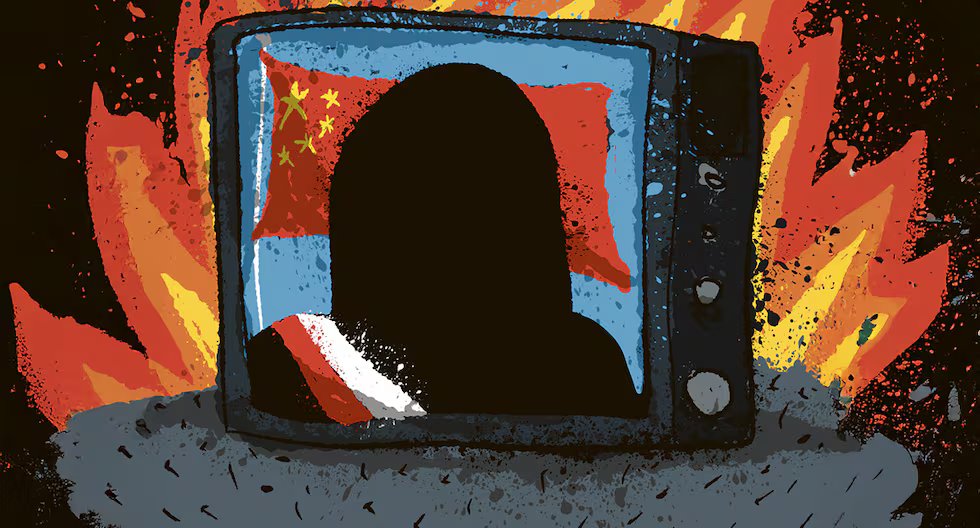
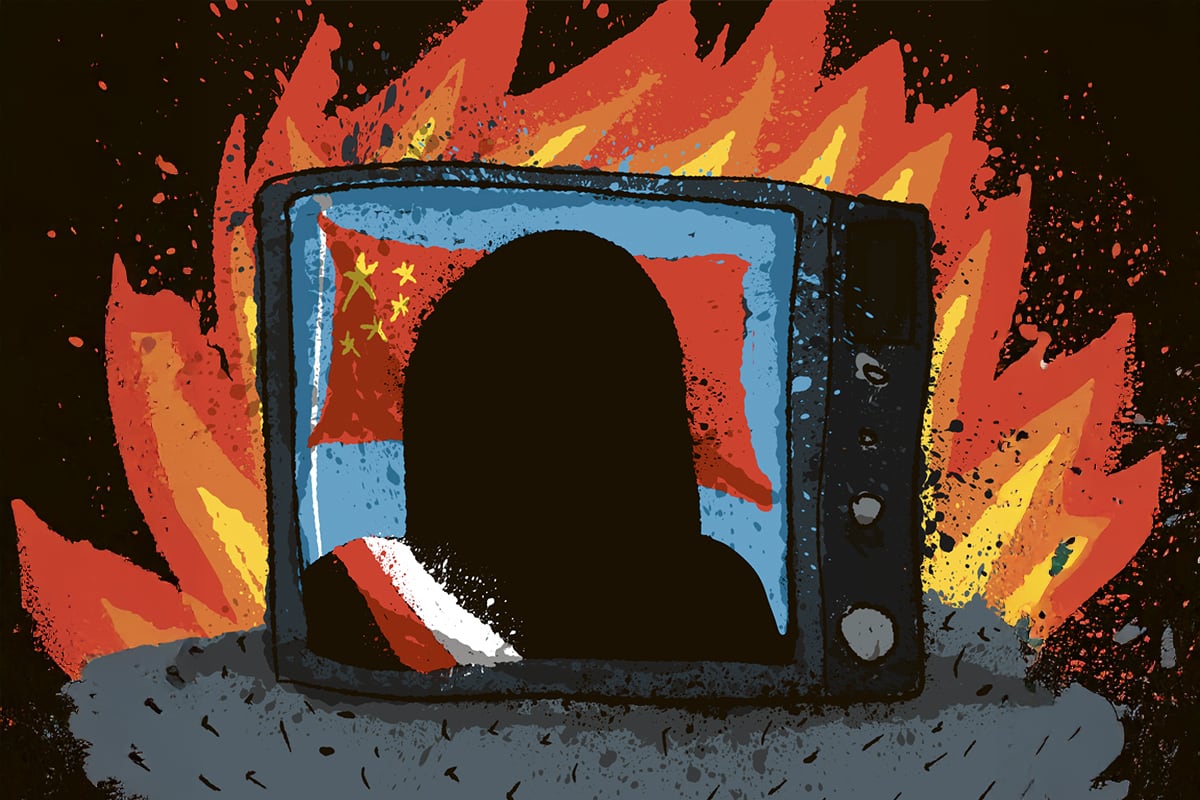
After meeting with Xi Jinping, Fujimori announced that China will donate $22.5 million to Peru, including resources and machinery, to confront El Niño.
I imagine a truck driver reading the news from Shenzhen while doing his accounts. Chinese machinery will seem like good news to you, as it does to me. Then you will look at the price of diesel again. That’s the bad thing about doing the math at home. There is no photographer who makes you smile.
People understand those things. You spend your life negotiating deadlines with people who would rather charge you yesterday. You appear in the photo, president, because that’s why you traveled so far and were not at Leo XIV’s farewell. And when they show you the photo, please ask what they are going to put underneath, in the description. That’s usually where the hard part begins.