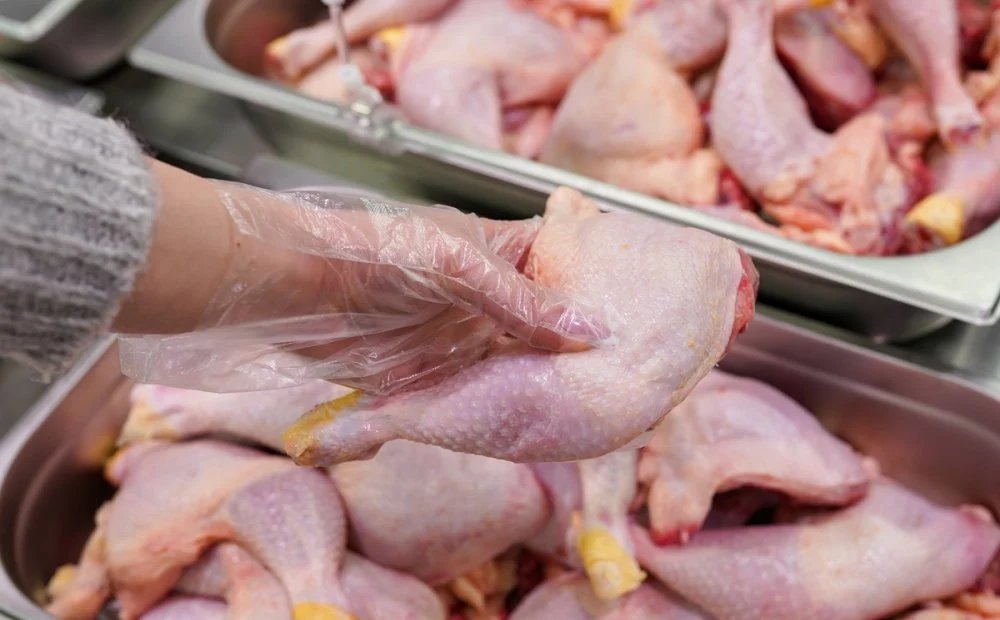
The drop in prices observed in recent weeks on the commodity markets poultry and eggs is not the result of chance. In a press release published Friday, the Interprofessional Federation of the Poultry Sector (FISA) explains that the sector is currently experiencing a cyclical imbalance characterized by excess production compared to demand. This situation is explained, according to the Federation, by the increase in production capacity recorded in recent months, while demand has experienced a temporary slowdown. The Eid Al-Adha period has also helped to influence consumption habits, with some households having traditionally shifted their spending towards the purchase of sheep during this period.
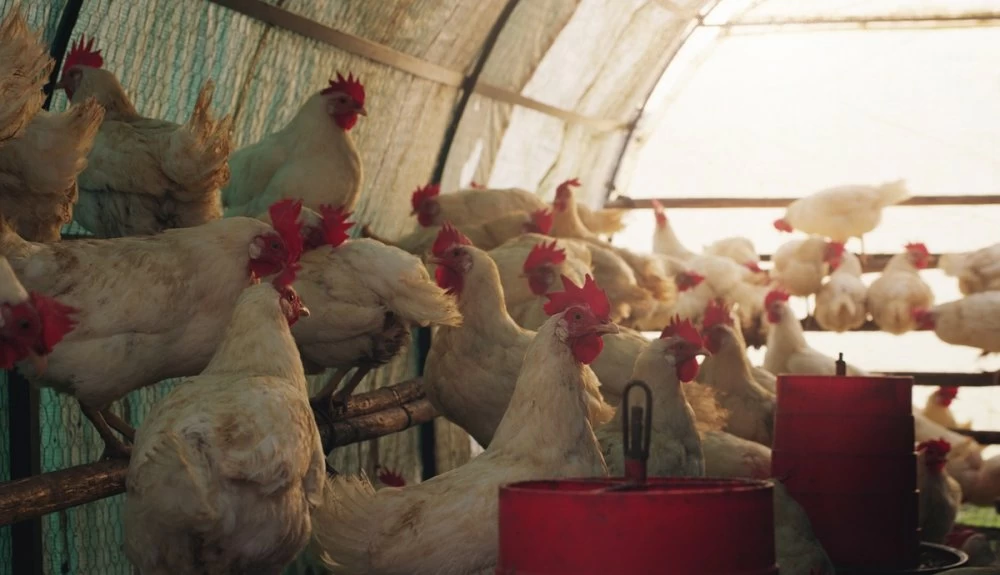
Direct consequence: producer prices for poultry meat and eggs for consumption are currently at particularly low levels. While this drop results in more affordable prices for consumers, it does, however, exert strong pressure on the income of breeders and producers, who are faced with a decline in their margins.
FISA, however, wishes to reassure on the fundamentals of the sector. She emphasizes that this situation remains temporary and does not call into question the production capacities of the Moroccan poultry sector, which relies on significant investments and recognized know-how. The Federation also ensures that the supply of the national market with poultry meat and eggs, two products essential to the food security of citizens, remains fully guaranteed.
This phase nevertheless highlights several structural challenges. FISA calls for accelerating efforts to modernize the downstream sector, particularly in terms of marketing, export, processing and distribution of poultry products. Better organization of markets and more efficient observation and anticipation mechanisms would, according to her, limit recurring imbalances between supply and demand.
While reaffirming its attachment to the principles of free competition and freedom of prices, the Federation calls for the continuation of reforms aimed at improving the economic organization of the sector and preserving the sustainability of investments made by professionals. Finally, it ensures that it remains mobilized alongside public authorities and the various players in the sector in order to support a gradual return to market balance, in the interest of both producers and consumers.