Of Benedetta Capelli
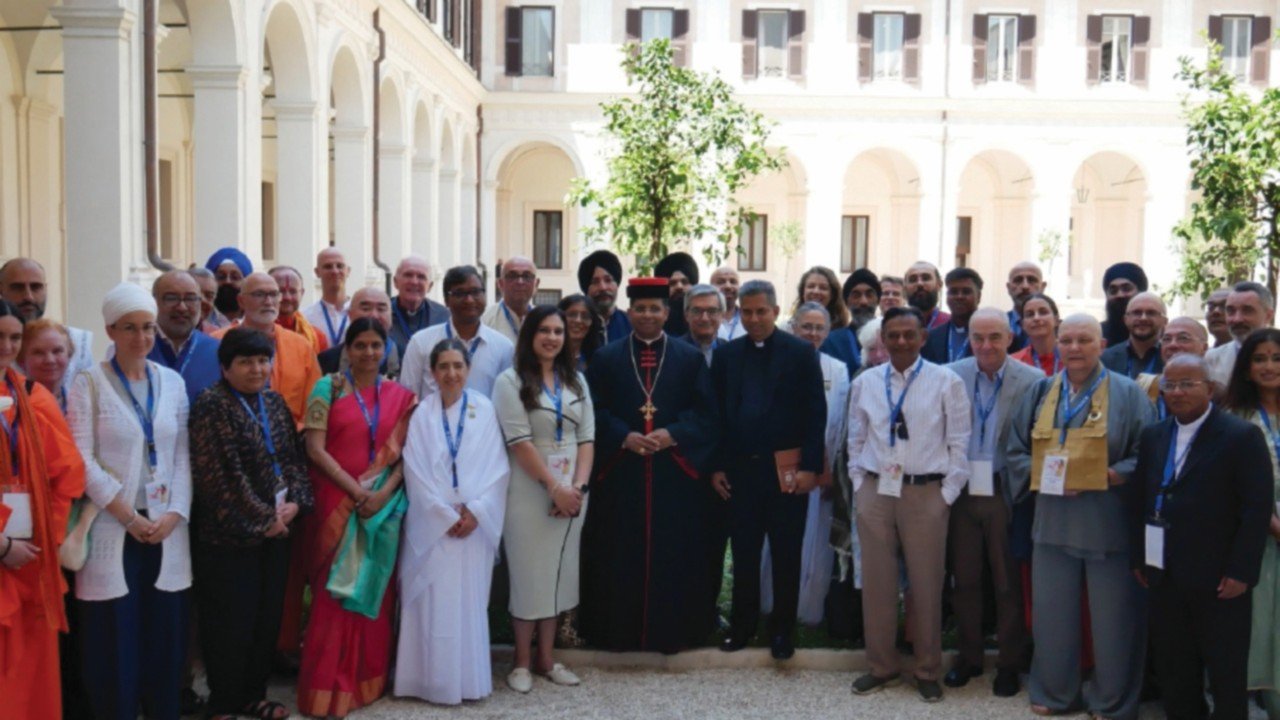
«The concept of brotherhood is often considered a utopian idea» especially at this time when «it is seriously undermined by crimes against humanity, wars, violence, wars, divisions, discrimination and hatred in different parts of the world». But it is also “a lived reality, stronger than all conflicts, differences and tensions”. Cardinal George Jacob Koovakad, prefect of the Dicastery for interreligious dialogue, said he was convinced of this, opening the conference this morning, Tuesday 23 June, “Buddhists, Christians, Hindus, Jains and Sikhs in Europe: building fraternity through dialogue and collaboration”.
The work, which takes place at the Pontifical University of St. Thomas Aquinas – Angelicum, will end tomorrow, in two days of discussion and exchange of experiences towards a single perspective: feeling like brothers committed to building and strengthening a bond of fraternity.
In his inaugural speech, the cardinal relaunched the “spirit of Assisi” a few months after the 40th anniversary of the historic interreligious meeting called by Saint John Paul II in 1986 and on the eighth centenary of the death of Saint Francis, “the apostle of universal brotherhood”, inspirer of Pope Francis’ encyclical Brothers all.
Cardinal Koovakad’s reflection was also guided by the words of Leo XIV on the need to build bridges between believers and people of good will “through dialogue and collaboration”.
In reference to Europe, the prefect of the Dicastery for interreligious dialogue recalled how it safeguards “a cultural and religious heritage that proudly bears witness to the flourishing of heterogeneous groups and their integration throughout history”; a history marked by migration, globalization, demographic changes and the contraction of the workforce. Hence the transformation of the continent into “a rich melting pot” of ethnic groups, languages and religious traditions. A heritage, continued Koovakad, to be enhanced to create “an inclusive, cohesive and harmonious society”, promoting brotherhood and friendship in full respect of the dignity of every human being and their rights, “including the right to profess and practice one’s religion”.
The cardinal’s invitation to those who live in Europe and to those who have made it their home is to work together promoting the common good and “recognizing cultural, religious and social diversity as a human richness and not as a threat”. “The more we, people of different religious traditions,” he said, “meet and exchange opinions while respecting the uniqueness of each other’s contexts, traditions and religions, the more we will grow not only in our fraternal love and mutual esteem, but also in our commitment to work and contribute together for the good of everyone in society.”
Finally, still recalling the words of Leo
Lastly, the hope is that the conference will help “find ways and means to strengthen mutual relationships on the basis of respect, brotherhood, solidarity and trust”.