Thursday, June 4, 2026
    The GeoStrategic Consensus
    No Result
    View All Result
    • Login
    • HOME
    • AMERICAS
      • Argentina
      • Brazil
      • Canada
      • Chile
      • Colombia
      • Costa Rica
      • Cuba
      • Dominican Republic
      • Ecuador
      • El Salvador
      • Greenland
      • Guatemala
      • Honduras
      • Mexico
      • Nicaragua
      • Panama
      • Paraguay
      • Peru
      • United States
      • Uruguay
      • Venezuela
    • ASIA-PACIFIC
      • Australia
      • Brunei Darussalam
      • Cambodia
      • China
      • Federated States of Micronesia
      • Fiji
      • Indonesia
      • Japan
      • Kiribati
      • Laos
      • Malaysia
      • Marshall Islands
      • Mongolia
      • Myanmar
      • Nauru
      • New Zealand
      • North Korea
      • Palau
      • Papua New Guinea
      • Philippines
      • Samoa
      • Singapore
      • Solomon Islands
      • South Korea
      • Taiwan
      • Thailand
      • Timor-Leste
      • Tonga
      • Tuvalu
      • Vanuatu
      • Vietnam
    • CARICOM
      • CARICOM – Non-English
        • Haiti
        • Suriname
      • CARICOM Associates
        • Anguilla
        • Bermuda
        • British-Virgin-Islands
        • Cayman-Islands
        • Curacao
        • Turks-and-Caicos
      • CARICOM English
        • Antigua and Barbuda
        • Barbados
        • Belize
        • Dominica
        • Grenada
        • Guyana
        • Jamaica
        • Montserrat
        • Saint Kitts and Nevis
        • Saint Lucia
        • Saint Vincent and the Grenadines
        • The Bahamas
        • Trinidad and Tobago
    • EURASIA
      • Armenia
      • Azerbaijan
      • Balarus
      • Georgia
      • Kazakhstan
      • Kyrgyzstan
      • Moldova
      • Russia
      • Tajikistan
      • Turkmenistan
      • Ukraine
      • Uzbekistan
    • EUROPE
      • Albania
      • Andorra
      • Austria
      • Bosnia and Herzegovina
      • Bulgaria
      • Croatia
      • Cyprus
      • Czech Republic
      • Denmark
      • Estonia
      • Finland
      • France
      • Germany
      • Greece
      • Holy See
      • Hungary
      • Iceland
      • Ireland
      • Italy
      • Kosovo
      • Latvia
      • Liechtenstein
      • Lithuania
      • Luxembourg
      • Malta
      • Monaco
      • Montenegro
      • Netherlands
      • North Macedonia
      • Norway
      • Poland
      • Portugal
      • Romania
      • San Marino
      • Serbia
      • Slovakia
      • Slovenia
      • Spain
      • Sweden
      • Switzerland
      • United Kingdom
    • MIDDLE EAST AND NORTH AFRICA
      • Algeria
      • Bahrain
      • Egypt
      • Iran
      • Iraq
      • Israel
      • Jordan
      • Kuwait
      • Lebanon
      • Lybia
      • Morocco
      • Oman
      • Palestinian Territories
      • Qatar
      • Saudi Arabia
      • Syria
      • Tunisia
      • Turkey
      • United Arab Emirates
      • Western Sahara
      • Yemen
    • SOUTH ASIA
      • Afghanistan
      • Bangladesh
      • Bhutan
      • India
      • Maldives
      • Nepal
      • Pakistan
      • Sri Lanka
    • SUB-SAHARAN AFRICA
      • Angola
      • Benin
      • Botswana
      • Burkina Faso
      • Burundi
      • Cabo Verde
      • Cameroon
      • Central African Republic
      • Chad
      • Comoros
      • Cote d’Ivoire
      • Democratic Republic of the Congo
      • Djibouti
      • Equatorial Guinea
      • Eritrea
      • Eswatini
      • Ethiopia
      • Gabon
      • Gambia
      • Ghana
      • Guinea
      • Guinea Bissau
      • Kenya
      • Lesotho
      • Liberia
      • Madagascar
      • Malawi
      • Mali
      • Mauritania
      • Mauritius
      • Mozambique
      • Namibia
      • Niger
      • Nigeria
      • Republic of the Congo
      • Rwanda
      • Sao Tome and Principe
      • Senegal
      • Seychelles
      • Sierra Leone
      • Somalia
      • South Africa
      • South Sudan
      • Sudan
      • Tanzania
      • Togo
      • Uganda
      • Zambia
      • Zimbabwe
    • HOME
    • AMERICAS
      • Argentina
      • Brazil
      • Canada
      • Chile
      • Colombia
      • Costa Rica
      • Cuba
      • Dominican Republic
      • Ecuador
      • El Salvador
      • Greenland
      • Guatemala
      • Honduras
      • Mexico
      • Nicaragua
      • Panama
      • Paraguay
      • Peru
      • United States
      • Uruguay
      • Venezuela
    • ASIA-PACIFIC
      • Australia
      • Brunei Darussalam
      • Cambodia
      • China
      • Federated States of Micronesia
      • Fiji
      • Indonesia
      • Japan
      • Kiribati
      • Laos
      • Malaysia
      • Marshall Islands
      • Mongolia
      • Myanmar
      • Nauru
      • New Zealand
      • North Korea
      • Palau
      • Papua New Guinea
      • Philippines
      • Samoa
      • Singapore
      • Solomon Islands
      • South Korea
      • Taiwan
      • Thailand
      • Timor-Leste
      • Tonga
      • Tuvalu
      • Vanuatu
      • Vietnam
    • CARICOM
      • CARICOM – Non-English
        • Haiti
        • Suriname
      • CARICOM Associates
        • Anguilla
        • Bermuda
        • British-Virgin-Islands
        • Cayman-Islands
        • Curacao
        • Turks-and-Caicos
      • CARICOM English
        • Antigua and Barbuda
        • Barbados
        • Belize
        • Dominica
        • Grenada
        • Guyana
        • Jamaica
        • Montserrat
        • Saint Kitts and Nevis
        • Saint Lucia
        • Saint Vincent and the Grenadines
        • The Bahamas
        • Trinidad and Tobago
    • EURASIA
      • Armenia
      • Azerbaijan
      • Balarus
      • Georgia
      • Kazakhstan
      • Kyrgyzstan
      • Moldova
      • Russia
      • Tajikistan
      • Turkmenistan
      • Ukraine
      • Uzbekistan
    • EUROPE
      • Albania
      • Andorra
      • Austria
      • Bosnia and Herzegovina
      • Bulgaria
      • Croatia
      • Cyprus
      • Czech Republic
      • Denmark
      • Estonia
      • Finland
      • France
      • Germany
      • Greece
      • Holy See
      • Hungary
      • Iceland
      • Ireland
      • Italy
      • Kosovo
      • Latvia
      • Liechtenstein
      • Lithuania
      • Luxembourg
      • Malta
      • Monaco
      • Montenegro
      • Netherlands
      • North Macedonia
      • Norway
      • Poland
      • Portugal
      • Romania
      • San Marino
      • Serbia
      • Slovakia
      • Slovenia
      • Spain
      • Sweden
      • Switzerland
      • United Kingdom
    • MIDDLE EAST AND NORTH AFRICA
      • Algeria
      • Bahrain
      • Egypt
      • Iran
      • Iraq
      • Israel
      • Jordan
      • Kuwait
      • Lebanon
      • Lybia
      • Morocco
      • Oman
      • Palestinian Territories
      • Qatar
      • Saudi Arabia
      • Syria
      • Tunisia
      • Turkey
      • United Arab Emirates
      • Western Sahara
      • Yemen
    • SOUTH ASIA
      • Afghanistan
      • Bangladesh
      • Bhutan
      • India
      • Maldives
      • Nepal
      • Pakistan
      • Sri Lanka
    • SUB-SAHARAN AFRICA
      • Angola
      • Benin
      • Botswana
      • Burkina Faso
      • Burundi
      • Cabo Verde
      • Cameroon
      • Central African Republic
      • Chad
      • Comoros
      • Cote d’Ivoire
      • Democratic Republic of the Congo
      • Djibouti
      • Equatorial Guinea
      • Eritrea
      • Eswatini
      • Ethiopia
      • Gabon
      • Gambia
      • Ghana
      • Guinea
      • Guinea Bissau
      • Kenya
      • Lesotho
      • Liberia
      • Madagascar
      • Malawi
      • Mali
      • Mauritania
      • Mauritius
      • Mozambique
      • Namibia
      • Niger
      • Nigeria
      • Republic of the Congo
      • Rwanda
      • Sao Tome and Principe
      • Senegal
      • Seychelles
      • Sierra Leone
      • Somalia
      • South Africa
      • South Sudan
      • Sudan
      • Tanzania
      • Togo
      • Uganda
      • Zambia
      • Zimbabwe
    No Result
    View All Result
    Agentially
    No Result
    View All Result
    Home MIDDLE EAST and NORTH AFRICA Lybia

    Budget and Reconstruction in Libya: Are the Rules of the Game Changing?

    The Analyst by The Analyst
    June 4, 2026
    in Lybia
    Budget and Reconstruction in Libya: Are the Rules of the Game Changing?


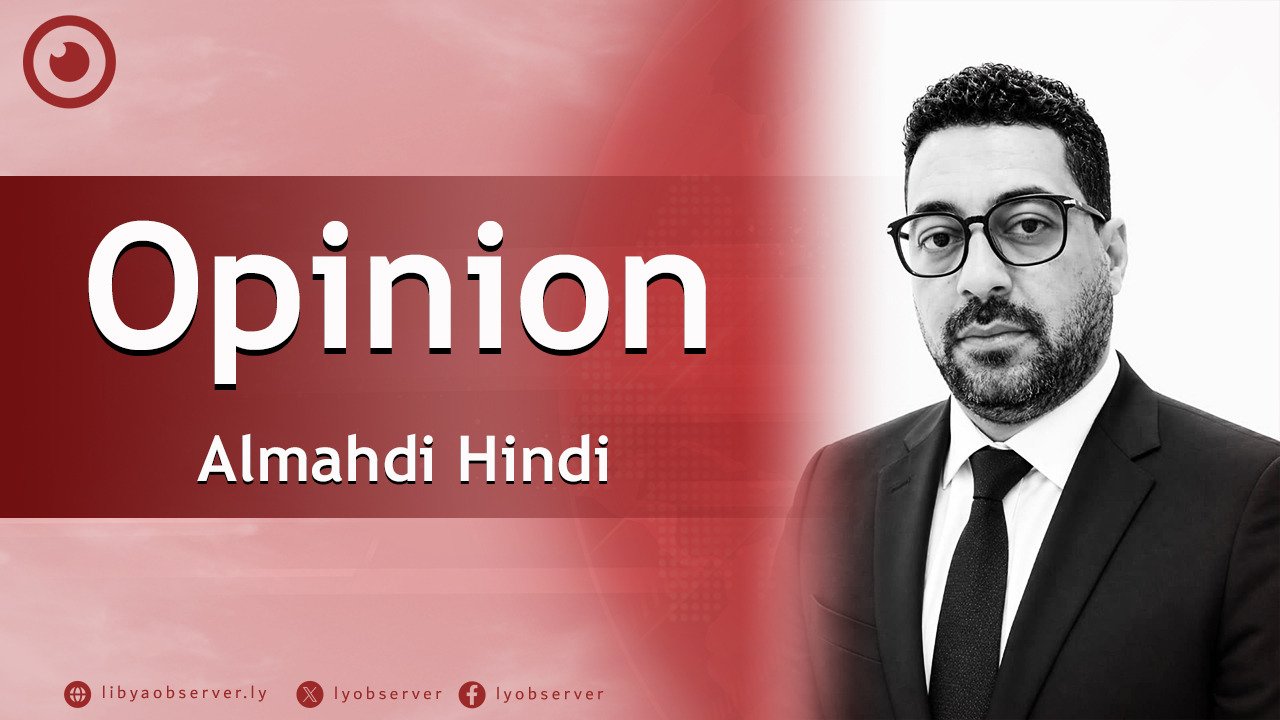
    By Almahdi Hindi, political activist

    READ ALSO

    Aldabaiba hosts Omani investment and energy delegation

    NCDC: No Ebola cases in Libya


    The remarks made by the British ambassador to Libya, Martin Reynolds, regarding the “encouraging indicators” in Libya were not merely a passing diplomatic statement. Rather, they reflected a noticeable shift in how major capitals are beginning to view the Libyan file. The approval of the country’s first unified budget after more than thirteen years of division was understood not only as a financial step, but also as a political signal pointing toward an attempt to restore at least the minimum idea of a functioning state and unified institutions.

    What is particularly striking is that even the British themselves have begun speaking about Libya in a more optimistic tone — a tone that has been largely absent in recent years, especially amid emerging signs related to unifying public spending and financial institutions.

    For years, the international community remained preoccupied with questions of legitimacy, elections, and power-sharing. Yet the Libyan experience has shown that politics alone is insufficient to create stability. Every settlement that ignored the economy and the management of resources proved fragile, quickly stumbling at the first political or security crisis.

    Today, however, a different approach appears to be quietly taking shape. Instead of focusing entirely on complex political tracks, attention is increasingly shifting toward practical matters: public expenditure, the management of the Central Bank, institutional unification, and the regulation of resource distribution. It is as though the priority has become creating a minimum level of institutional stability before moving toward major political settlements.

    In this context, the unified budget no longer appears to be merely a collection of figures and spending items, but rather an attempt to reorganize the relationship between Libyan institutions after years of financial and administrative fragmentation. It also reflects an implicit recognition that the continued existence of multiple financial decision-making centers has been one of the key drivers behind the deepening of the crisis and the depletion of state resources.

    What is also notable is that this shift is not confined to Libya’s internal dynamics alone. It extends to the European approach toward the crisis. The European Union’s announcement of an expanded partnership with Libya’s Development and Reconstruction Fund in the eastern region, alongside engagement in infrastructure, border management, and port-related projects, suggests that Europe is becoming increasingly inclined to deal with realities on the ground rather than waiting indefinitely for a comprehensive political settlement that may take years to materialize.

    There is a growing awareness among Europeans that Libya’s stability is directly tied to Mediterranean security, energy interests, and migration concerns. As a result, economic and service-related issues have increasingly become intertwined with broader security and political calculations.

    Over recent months, it has become evident that the economy and security in Libya are no longer treated as separate files. Discussions about protecting oil fields, stabilizing the Libyan dinar, or controlling public spending have become part of the broader equation of political stability itself. Perhaps for the first time in years, the economy is being viewed as a primary gateway to security, rather than merely a separate technical issue.

    Despite this, it would be premature to suggest that the road ahead has become easy. Political divisions, overlapping spheres of influence, and the continued presence of weapons outside state institutions all remain factors capable of obstructing any progress. What has truly changed, however, is the order of priorities. After years in which discussions revolved almost exclusively around elections, the focus has now shifted toward strengthening institutions, improving services, and restoring a minimum level of financial governance.

    This is why terms such as “financial discipline,” “reconstruction,” and “border security” are increasingly appearing in international discussions as essential elements for preventing a return to chaos. Experience has shown that economic collapse and the absence of development may pose an even greater threat to state stability than armed confrontations themselves.

    Ultimately, the central question is no longer simply: When will the politicians reach an agreement?

    Perhaps the more important question has become: Can the state gradually build a degree of stability through the economy, reconstruction, and institutions, even before a full political settlement is achieved?

    In a country exhausted by division and conflict, the budget may no longer be just a financial document, but rather the beginning of a real test for the very idea of the state itself.


    Disclaimer:  The views and opinions expressed in this article are those of the writer, and do not necessarily reflect those of the Libya Observer
    Source link

    Related Posts

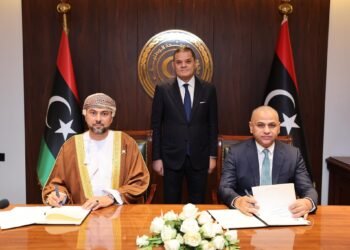
    Aldabaiba hosts Omani investment and energy delegation
    Lybia

    Aldabaiba hosts Omani investment and energy delegation

    June 4, 2026
    NCDC: No Ebola cases in Libya
    Lybia

    NCDC: No Ebola cases in Libya

    June 4, 2026
    Fuel distribution and smuggling crisis: More than 500 non-compliant petrol stations closed and will not be allowed to reopen – Interior Minister Trabelsi
    Lybia

    Fuel distribution and smuggling crisis: More than 500 non-compliant petrol stations closed and will not be allowed to reopen – Interior Minister Trabelsi

    June 4, 2026
    Sebha University signs deal with British Council to expand international exams
    Lybia

    Sebha University signs deal with British Council to expand international exams

    June 4, 2026
    Economy Ministry introduces new measures to regulate import of grains and raw materials‎
    Lybia

    Economy Ministry introduces new measures to regulate import of grains and raw materials‎

    June 4, 2026
    National Information Technology Day activities launched
    Lybia

    National Information Technology Day activities launched

    June 4, 2026
    Next Post
    The Governor of Alexandria inspects the “Hayat Karima” water lift station project in Burj Al Arab

    The Governor of Alexandria inspects the “Hayat Karima” water lift station project in Burj Al Arab

    POPULAR NEWS

    E-scooter rules vary widely across Finnish cities, report finds | Yle News

    E-scooter rules vary widely across Finnish cities, report finds | Yle News

    June 3, 2026
    Supported by Trump’s son – now the doping Olympics are decided

    Supported by Trump’s son – now the doping Olympics are decided

    June 3, 2026
    The EAEU countries called on Armenia to hold a referendum on joining the European Union

    The EAEU countries called on Armenia to hold a referendum on joining the European Union

    June 3, 2026
    Argument in the tent (124) – the True Time

    Argument in the tent (124) – the True Time

    June 4, 2026
    Frost, cold and possible snowfall: what meteorologists predict for this winter in Uruguay

    Frost, cold and possible snowfall: what meteorologists predict for this winter in Uruguay

    June 4, 2026

    EDITOR'S PICK

    Portuguese pension system under pressure: European Commission warns of sustainability risks and demands new measures

    Portuguese pension system under pressure: European Commission warns of sustainability risks and demands new measures

    June 3, 2026
    Meteorologists warn: thunderstorms will hit half of Lithuania

    Meteorologists warn: thunderstorms will hit half of Lithuania

    June 4, 2026
    This is the driver of the yellow Audi convertible that crashed into several cars and motorcycles on Saturday: he promotes races in 3 cities

    This is the driver of the yellow Audi convertible that crashed into several cars and motorcycles on Saturday: he promotes races in 3 cities

    June 4, 2026
    Donald Tusk as the Driving Force Behind the Crisis: Construction, the Economy’s Backbone, Sinks Deeper Into Debt

    Donald Tusk as the Driving Force Behind the Crisis: Construction, the Economy’s Backbone, Sinks Deeper Into Debt

    June 4, 2026

    Recent Posts

    • Argument in the tent (124) – the True Time
    • Frost, cold and possible snowfall: what meteorologists predict for this winter in Uruguay
    • AFL teams and expert tips for round 13: Star forwards return for Crows, Cats for Thursday night blockbuster
    • Opposition calls for $85 guaranteed cane price

      © 2026 Agentially - Navigating shifting sovereignties and global risk .

      Welcome Back!

      Login to your account below

      Forgotten Password?

      Retrieve your password

      Please enter your username or email address to reset your password.

      Log In
      No Result
      View All Result

        © 2026 Agentially - Navigating shifting sovereignties and global risk .

        This website uses cookies. By continuing to use this website you are giving consent to cookies being used. Visit our Privacy and Cookie Policy.