PARAMARIBO — According to Bob Mangal, the action plan aimed at better regulation, environmental protection and increasing the economic contribution of the gold sector to state revenues that was presented to President Jennifer Geerlings-Simons is “not perfect”. “But you have to have a starting point somewhere. You cannot remain indecisive,” the vice-chairman of the Policy and Management Team Transformation of Artisanal Gold Mining working group told the Suriname Communications Service.
The plan provides for a phased approach, with pilots being carried out first. Mining rights holders, machine owners and persons currently operating illegally in the sector will be registered and, where possible, included in an organized system. Facilities such as work and residence permits and access to healthcare are also part of the proposed approach.
“You cannot remain indecisive”
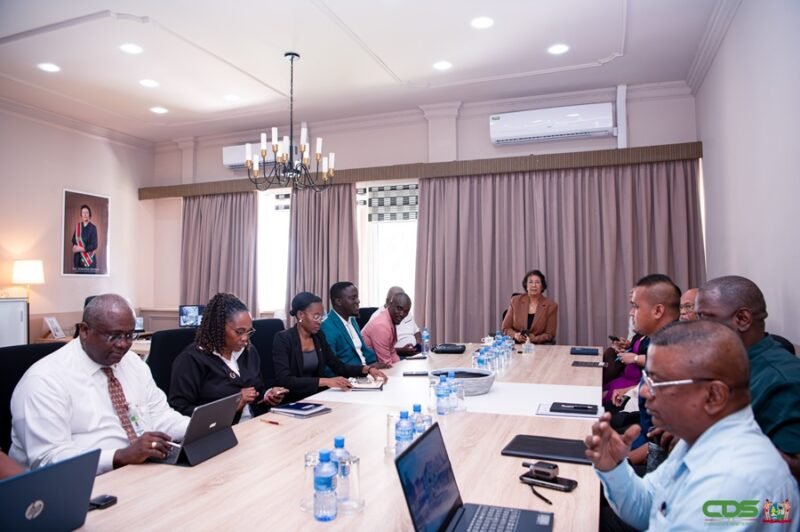
The implementation of the plan is planned for the period 2026-2028. In this phase, the organizational and legal conditions are developed, after which the first pilots should lead to concrete results and income. Mangal believes that the president responded enthusiastically to the presentation, which took place at her office on Thursday.
‘National priority’
The working group regards the organization of the gold sector as “a national priority, so that Suriname can also benefit sustainably from its gold reserves in addition to the expected income from oil and gas.” According to him, better organization of the sector offers important opportunities for Suriname. “If you organize everything well and involve the people, the income from gold can actually contribute to the development of the state and the people.”
By strengthening cooperation between the government and gold miners, the state can generate more revenue while improving control over gold mining and trade. Better control should also help Suriname to comply with international standards compliance-to limit requirements and risks in the field of money laundering and terrorist financing.
The National Environmental Authority (NMA) is assigned an important role in all of this. It will have to provide training and promote alternative gold mining methods to reduce the use of harmful substances, including mercury. “You get 40 percent with mercury and 70 percent is lost. There are methods to get almost 90 percent from the gold ore without mercury,” Mangal outlines. This concerns professional use with little chance of environmental disasters and negative environmental effects.