SURINAME APPEARS DIVIDED about the arrival of the Mennonites. While President Jennifer Simons opposes large-scale deforestation for agricultural activities in the interior, some residents of Witagron are ready to work with this group. This raises the question of whether Suriname is against the Mennonites themselves or whether the country is mainly concerned about the consequences of their settlement in Suriname.
In a petition to the National Assembly, the villagers of Witagron ask the government for support for the agricultural plans of Braganza Marketing Group and the cooperation with Mennonite farmers. The villagers call the experiences so far positive and see opportunities for employment, entrepreneurship, modern agricultural techniques and better facilities in their communities.
Mennonites do not need to be blindly embraced, but neither should they be judged negatively in advance
Who can blame these residents for looking for opportunities to develop their living environment. Communities in the interior need work, economic opportunities and prospects for young people. If an agricultural project can contribute to this, it deserves an honest assessment.
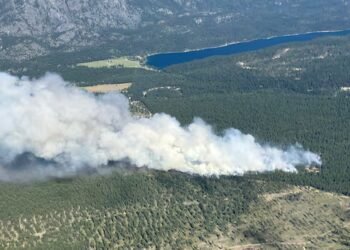
On the other hand, enthusiasm should not blind you to the risks. The president has rightly said that she does not want primary Amazon rainforest to be cleared for large-scale agriculture. The reports about Mennonites who are said to be staying in the Masonia area outside the concession area also underlines how important it is that agreements, permits and legal rules are complied with.
The debate must not degenerate into a discussion in which Mennonites are rejected in advance or in which their arrival is welcomed without critical questions. The core must be what their activities bring to Suriname and what they can cost the country. The interests of Suriname must come first, in particular the protection and conservation of the forest.
If the Mennonites have knowledge and experience with which Suriname can improve its agricultural production, this should be looked into. But anyone who wants to invest in Suriname must comply with Surinamese legislation. This applies to foreign investors, companies and everyone involved in the implementation.
The population must also be able to rely on transparency. Which agricultural land is involved, which permits are required? What are the consequences for the forest and biodiversity. And how do local communities benefit in the long term?
The residents of Witagron deserve to be taken seriously in their desire for development. At the same time, it is important to protect natural resources, in this case the forest.
Mennonites do not need to be blindly embraced, but neither should they be judged negatively in advance. Don’t let origin or fear be the deciding factor, but rather clear rules, transparency and demonstrable benefits for Suriname.