The green light given by António José Seguro to the Nationality Law displeased BE, PCP and Livre, who argue that the diploma should have been stopped politically — the blockers even talk about cruelty and the PCP about “contradiction”. In turn, the PS avoids commenting on the presidential decision and says that who has to respond to “messages” who accompanied the promulgation is the Prime Minister, Luís Montenegro. For the Government, António Leitão Amaro stated that the new diploma corrects the existing “ideological bias”, while Chega welcomed the promulgation and IL says it does not understand Seguro’s messages.
Speaking to Lusa, António Leitão Amaro regretted that the PS had not participated in the “very broad consensus” on the law, devalued the request for constitutionality inspection made by the socialists and noted that the promulgation of Seguro comes from a “President with a broad base of support and legitimacy”.
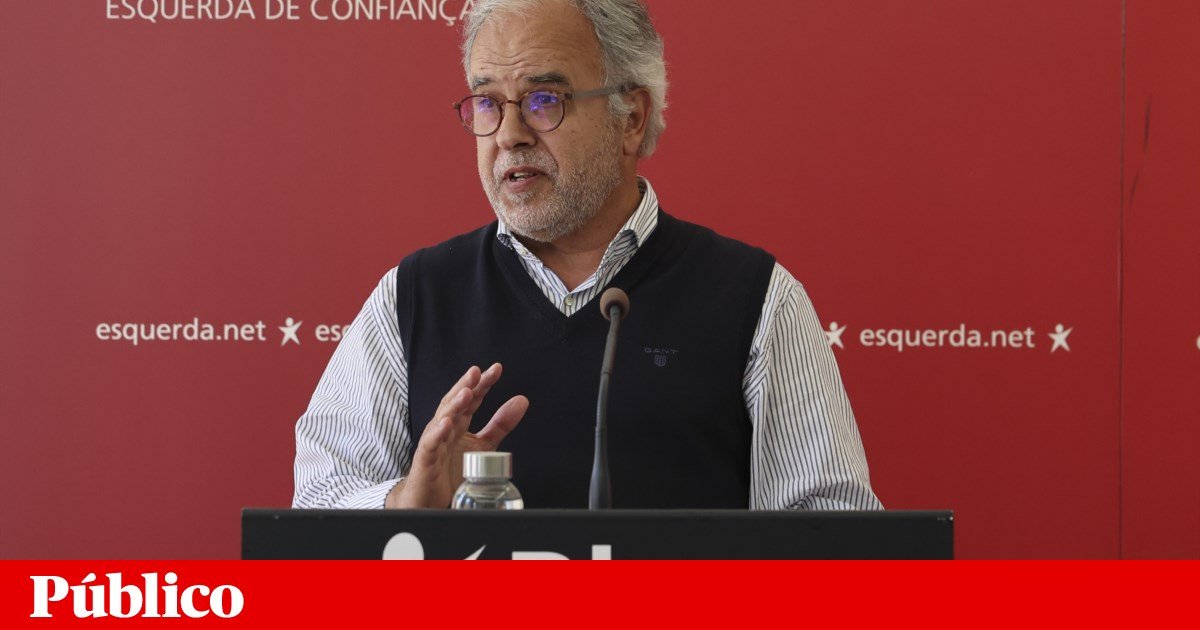
But on the side of Livre, PCP and BE, the reading is quite different. The leader of the blocistas stated that the new Nationality Law “is a cruel law” and that “António José Seguro had an alternative: to oppose it politically”. “He understood not to do so and this is very worrying at this initial stage of his mandate”, considered José Manuel Pureza.
The BE coordinator took the opportunity to remember that Seguro had also warned that its position in relation to the labor package depended on UGT’s concession. “In both cases, he did the same thing. Finding an excuse to, at the end of the day, approve and legitimize right-wing politics. In this specific case, approve the extreme right’s policy. Anyone who wants to fight the extreme right doesn’t sign their policy,” he said, in statements broadcast by RTP Notícias.
Furthermore, for BE, the Nationality Law “is not a Government initiative made possible by Chega, but a Chega requirement made possible by the Government” which “does not solve any real problem in the country”. “It’s an invention of the extreme right,” concluded Pureza.
For the PCP, Paula Santos stated that Seguro’s message was sufficient justification for a veto and not an enactment. For the deputy and parliamentary leader, António José Seguro was required to “be more distant from the options contained in this law, which he himself criticizes” for which Paula Santos speaks of a “contradiction”.
Livre also argues that Seguro should have vetoed the decree. “We consider that this law, made by the right and the extreme right, represents a vision of society that is the opposite of moderation and consensus and, therefore, that it deserved the President’s political veto”, says a statement sent to Lusa.
For this party, the warnings left by the head of state in the message that accompanied the promulgation of the law “are important”, but Livre has “many doubts that they will be heard by the majority that approved this law”. “Throughout the entire process, this same majority revealed a lack of capacity to listen to opposing positions and warnings, failing committee hearings and ignoring all warnings about the unconstitutionality of the diploma (in fact, later confirmed by the Constitutional Court)”, he argues.
PS sends repairs to Montenegro
In the PS, the option was to turn attention to the prime minister. José Luís Carneiro, general secretary of the socialists, declared that it is up to Luís Montenegro to respond to “the repair” made by the President of the Republic in promulgating the amendment to the Nationality Law, saying that he would prefer a diploma that reflected a “greater consensus” and less “ideological marks of the moment”.
On the right, André Ventura welcomed the promulgation of the diploma by the President of the Republic, adding that the new law had the “possible consensus”. “It is a positive fact for the country that we now have a Nationality Law that had a large majority of amendments in Parliament and a great national consensus”, stated the leader of Chega, speaking to journalists at the party’s headquarters, arguing that this new law should come “immediately and effectively into force, with all its implications, particularly in administrative services”.
Liberal Initiative – which also helped to approve the Nationality Law – said it did not understand the messages from the President of the Republic. “We don’t understand why these two observations by the President of the Republic are made, what the objective is, nor the relevance”, declared Mariana Leitão to the Lusa agency.
For the liberal leader, a law that is approved with two thirds “already has more than enough consensus”. “Is there only consensus when it includes the PS?” asked Leitão. The IL leader also stated that pending processes are not covered, as the law “is explicit that it only applies to processes that are requested from now on”.
Text updated with statements from the Government, Chega and Livre