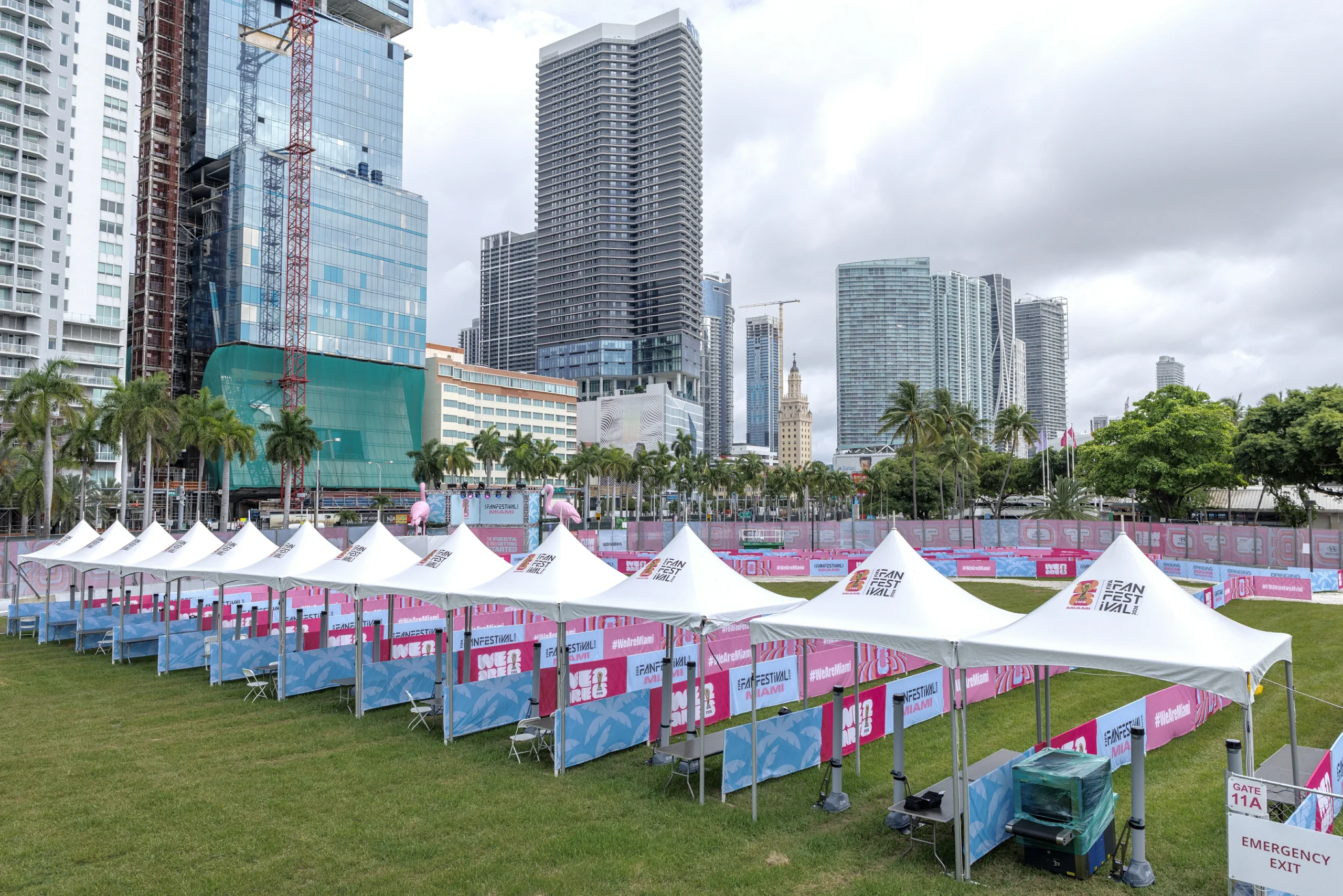
The fan events in the American city of Houston recorded the first early health warning in the 2026 World Cup, after “Okaz” monitored a short while ago that two people were taken to the hospital due to heat exhaustion, while 19 people received field treatment inside the event sites, as a result of the high temperatures and humidity.
These cases come in a city hosting the Saudi national team’s match against Cape Verde, which gives the news direct importance to the Saudi fans who are preparing to come to Texas during the group stage. Houston, with its hot and humid summer weather, requires visitors to be prepared differently, especially for those who spend long hours in the fan zones or around the stadiums before the start of the matches.
The recorded cases reflect a sensitive organizational aspect in the 2026 edition, as the tournament is being held in large and far-flung American cities, including southern cities known for their high temperatures during June and July. With thousands of fans flocking to open events, dealing with heat stress becomes part of event management, not a passing health detail.
Organizers in Houston increased the presence of ambulance teams, water points, and cooling areas, in an attempt to reduce the impact of the heat on the fans. Local guidelines also focused on drinking water constantly, reducing movement during peak hours, using hats and light clothing, and paying early attention to symptoms of dizziness, fatigue, and nausea.
For the Saudi fan, the incident carries a practical message before traveling: a match ticket alone is not enough. Safe attendance requires health planning that starts from the hotel, and extends to the means of transportation, arrival time, amount of water, and rest periods before entering the stadium.
Houston is preparing to welcome fans around the world, including the Saudis, in a noisy football atmosphere. However, the city’s heat puts an additional test in front of everyone: How can a fan enjoy the World Cup without his body paying the price for enthusiasm?
The fan events in Houston, USA, recorded the first early health warning for the 2026 World Cup, after “Okaz” recently reported the transfer of two individuals to the hospital due to heat exhaustion, while 19 others received field treatment at the event sites due to rising temperatures and humidity.
These cases come in a city hosting the Saudi national team’s match against Cape Verde, which gives the news direct importance to Saudi fans preparing to attend in Texas during the group stage. Houston, with its hot and humid summer weather, requires visitors to prepare differently, especially those spending long hours in fan zones or around the stadiums before the matches start.
The recorded cases reflect a sensitive organizational aspect in the 2026 edition, as the tournament is held in vast and distant American cities, including southern cities known for their high temperatures during June and July. With thousands of fans flowing into open events, managing heat exhaustion becomes part of event management, not just a passing health detail.
The organizers in Houston have enhanced the presence of ambulance teams, water points, and cooling areas in an effort to mitigate the effects of heat on the fans. Local guidelines have also emphasized the importance of drinking water continuously, reducing movement during peak hours, wearing hats and light clothing, and being alert to early symptoms of dizziness, fatigue, and nausea.
For the Saudi fan, this incident carries a practical message before traveling: a match ticket alone is not enough. Safe attendance requires health planning that starts from the hotel, extends to transportation, arrival time, water intake, and rest periods before entering the stadium.
Houston is preparing to welcome fans from around the world, including Saudis, in a vibrant football atmosphere. However, the city’s heat presents an additional test for everyone: how can a fan enjoy the World Cup without paying a physical price for their enthusiasm?