Analysts of the “World Cup Whistle” program confirmed, on Friday, that the national football team enters its expected confrontation against Algeria in the second round of the tenth group competitions of the 2026 World Cup, with great ambitions. To maintain its chances of competing to qualify for the next round.
They stressed that the match between Jordan and Algeria represents an important turning point in the “Nashami” journey in the World Cup, explaining that the technical staff, led by Jamal Al-Salami, quickly closed the page on the first match against Austria, and began preparing for the next confrontation through an integrated program that focuses on the physical and psychological aspects, in addition to studying the Algerian national team, monitoring its strengths and weaknesses, addressing the defensive errors that appeared in the first match, and settling on the lineup and the most appropriate style for the confrontation.
They pointed out that raising the morale of the players and removing them from the psychological effects of the first match represents a priority for the technical staff, in addition to eliminating the effects of physical fatigue after a match that witnessed strong clashes, stressing that small details may be decisive in the match against Algeria.
Analysts pointed out the importance of the message sent by His Highness Prince Ali bin Al Hussein, President of the Jordanian Football Association, in which he called for continuing to support the team and stand behind the players until the end of their journey in the tournament, stressing that positive encouragement and staying away from abuse and harsh criticism contribute to enhancing the players’ self-confidence before the upcoming confrontation.
They stressed that the Jordanian team is required to maintain its focus and tactical discipline against an Algerian team that has professional players and great international experience, noting that the Algerian team enters the match under greater pressure after its first loss, which will double its desire to achieve victory, which makes the confrontation complex and difficult for both parties.
Analysts indicated that the match may be decided by the mental aspects and emotional stability more than the technical aspects, calling on the Jordanian national team players to refrain from objecting to the referee’s decisions, and to focus fully on the field, especially in light of the appointment of Slovenian referee Slavko Vincic, who is known for his strict implementation of the laws.
They pointed out that the Jordanian team presented good technical levels against Austria despite the loss, and that the performance shown by the players gave the Jordanian fans greater confidence in the team’s ability to compete, stressing that tactical discipline and exploiting opportunities will be the key to achieving a positive result against Algeria.
Analysts explained that the Algerian team possesses individual skills and international experience, but the confrontations of the Arab teams carry a different specificity, and may be decided by the fighting spirit and tactical commitment more than technical differences, stressing that the calmest and most disciplined team will be closest to resolving the match.
They added that Jordan’s participation in the World Cup in itself represents a historic achievement for Jordanian football, but the performance presented by “Al-Nashama” in the first round raised the ceiling of ambitions among the fans, who have come to believe in the team’s ability to achieve positive results in the tournament.
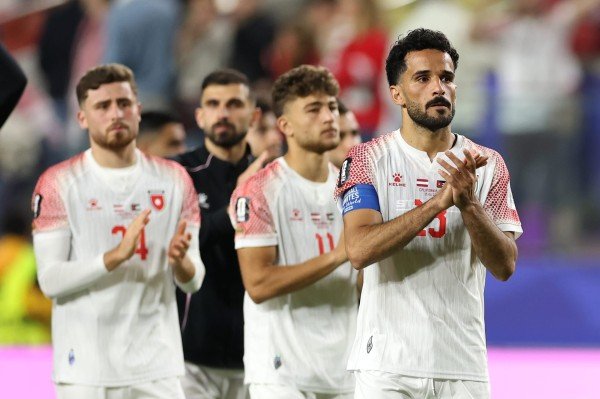
Analysts confirmed that the presence of Ali Alwan among the most prominent players in the first round after scoring the first goal for Jordan in the history of the World Cup reflects the development witnessed by the national team, considering that these positive indicators should constitute additional motivation for the players against Algeria.
They stressed the need for continued confidence in goalkeeper Yazid Abu Laila and in all members of the team, stressing that the current stage requires rallying around the “starchy” players and supporting them until the end of their journey in the tournament, provided that the performance evaluation is comprehensive after the end of participation, in a way that contributes to building on the historical achievement achieved by qualifying for the World Cup and developing it in the upcoming competitions.