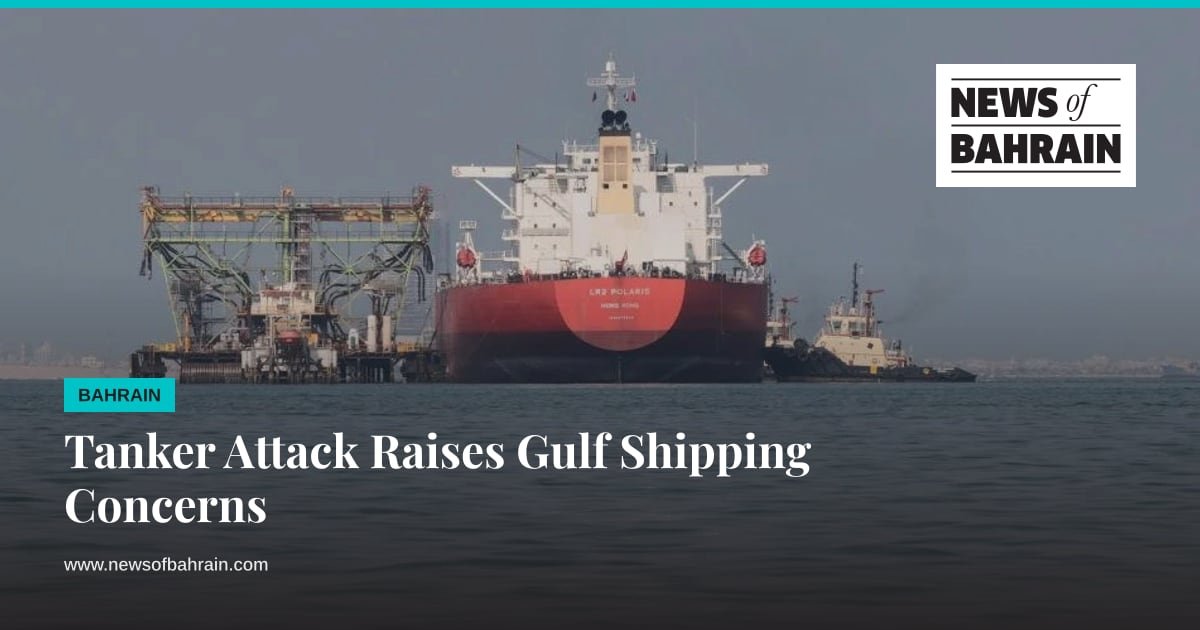
A suspected missile strike killed a crew member aboard an oil tanker heading to Bahrain, highlighting growing risks to commercial shipping across the Arabian Gulf.
-
One seafarer died after an explosion struck the Marshall Islands-flagged MT Velos Sapphire.
-
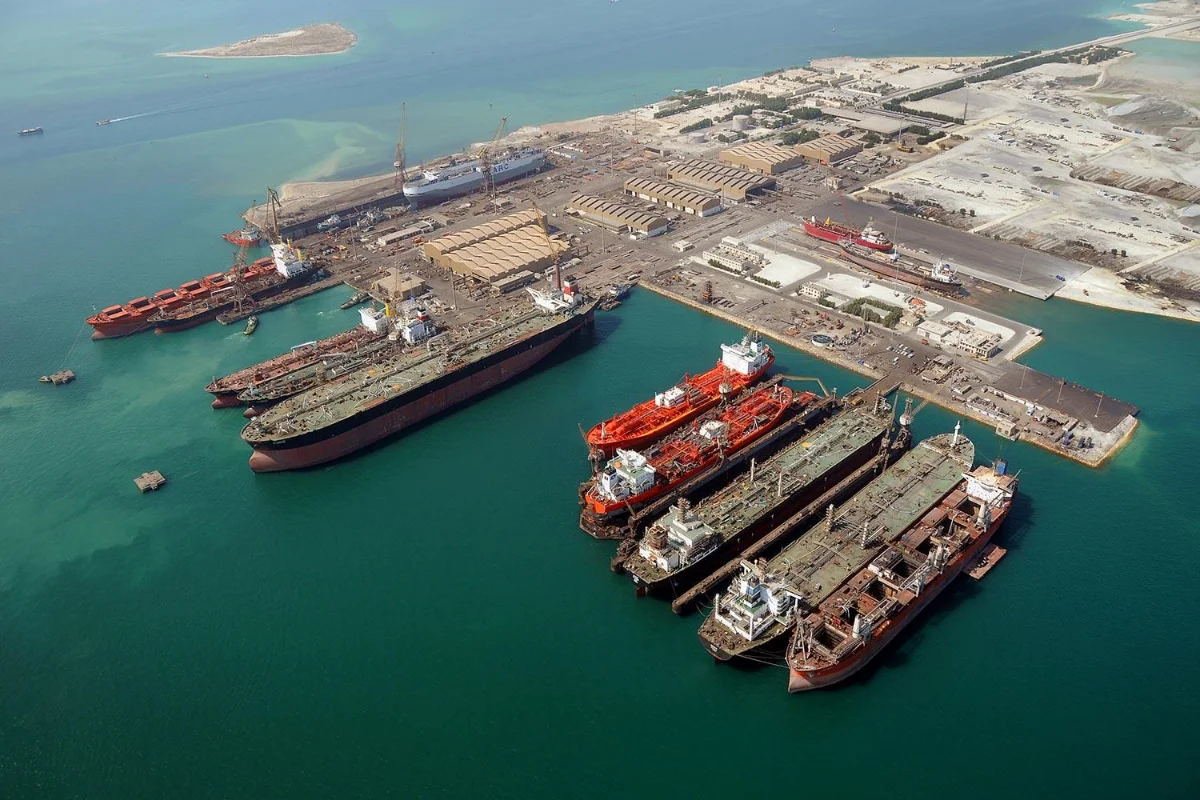
The damaged tanker reached Bahrain’s Khalifa Bin Salman Port, where its condition is being assessed.
-
The attack occurred around 50 nautical miles north of Qatar, highlighting security risks beyond the Strait of Hormuz.
An oil tanker heading to Bahrain was struck by an explosion believed to have been caused by a missile, killing one crew member and raising fresh concerns over the safety of commercial shipping in the Arabian Gulf.
The Marshall Islands-flagged MT Velos Sapphire was sailing without cargo when it was hit on Thursday, November 5, according to its Greek management company, Velos Tankers.
In a statement reported by Reuters on November 6, the company said the crew member was initially reported missing following the explosion before being found fatally injured aboard the vessel.
The blast also caused a fire, which the remaining crew managed to extinguish. No other injuries were reported, and the company said there was no indication of marine pollution.
The tanker subsequently proceeded to Bahrain’s Khalifa Bin Salman Port, where an investigation is expected to examine the incident and assess the extent of the damage to its hull. The cause of the explosion has been described as a suspected missile strike, but the identity of those responsible has not been established.
The incident was first reported by the United Kingdom Maritime Trade Operations (UKMTO), which said a tanker had been struck by two unidentified projectiles approximately 50 nautical miles north of Qatar’s Madinat ash Shamal.
According to maritime publication The Maritime Executive, the reported position placed the attack in the central Arabian Gulf, outside the Strait of Hormuz. The vessel was subsequently identified as the Velos Sapphire through shipping information and its movement records.
The location is significant because it demonstrates that commercial vessels face security risks across a wider area of the Gulf, rather than only around the Strait of Hormuz, one of the world’s most important maritime routes.
The attack also highlights the vulnerability of civilian seafarers, who continue to operate commercial vessels amid regional tensions. The death aboard the tanker underscores the human consequences of incidents involving ships that are not engaged in military operations.
For Bahrain, the vessel’s arrival at Khalifa Bin Salman Port brings the incident directly into the Kingdom’s maritime environment. The investigation and assessment of the damaged ship will require attention to vessel safety and port procedures.
The incident comes amid a series of reported attacks on commercial vessels in the region. Maritime industry publication Seatrade Maritime News reported on November 6 that several shipping incidents had been recorded in the Gulf and Strait of Hormuz during the first days of November, adding to concerns among shipping operators.
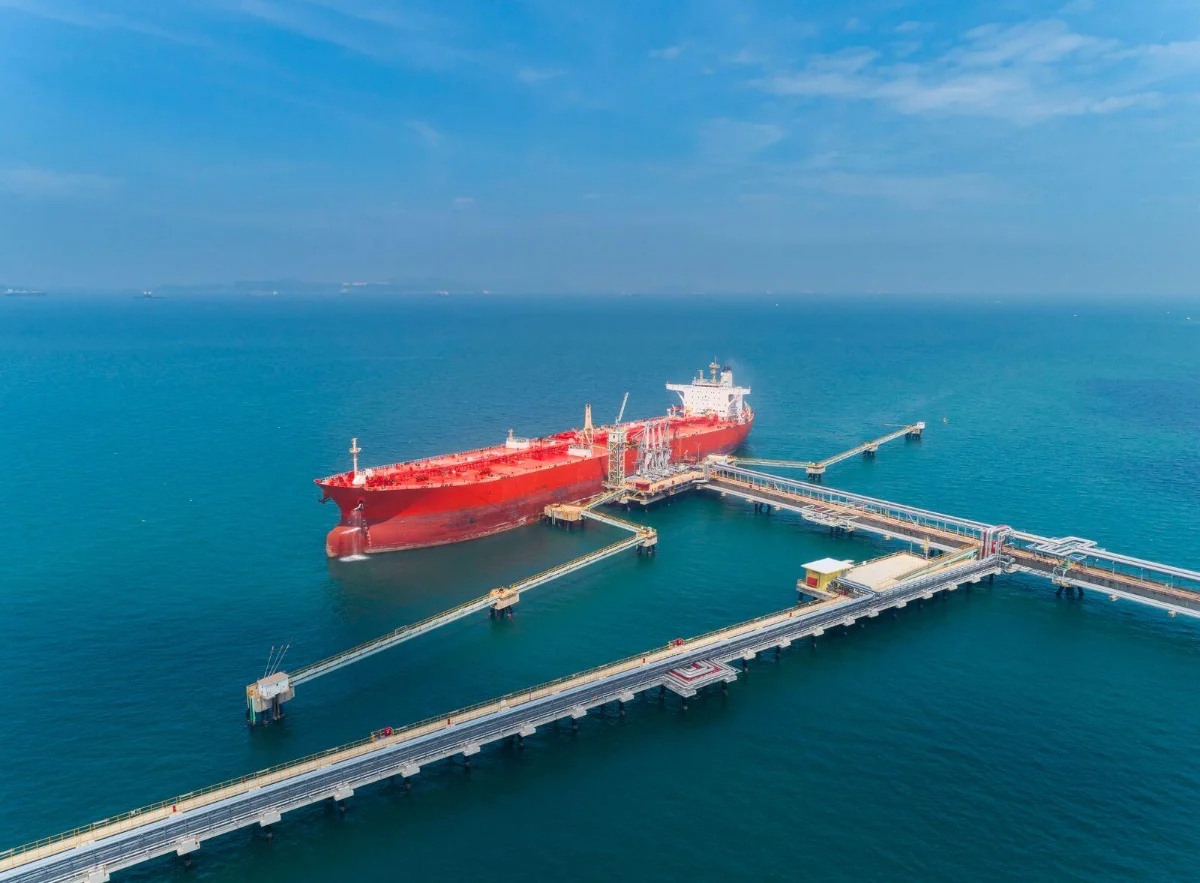
While the full extent of the damage to the Velos Sapphire remains under assessment, the incident reinforces the importance of protecting commercial shipping routes, port operations and the crews who keep regional trade moving.