Amnesty International (AI) presented this Tuesday its 2025/26 Annual Report “The situation of human rights in the world”, in which it warns that a systematic policy of repression persists in Venezuela that includes arbitrary detentions, forced disappearances, torture and other crimes against humanity, committed with “practically total impunity.”
According to the document, the government of Nicolás Maduro continued to use “the state apparatus, including security and intelligence forces, the judicial system and restrictive laws, together with groups of armed civilians,” to repress, silence and punish any real or perceived dissent, including opponents, journalists, human rights defenders and activists.
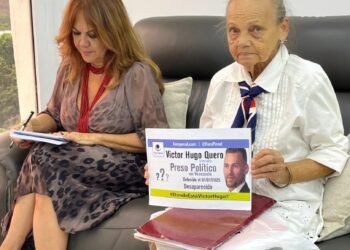
Although arbitrary arrests were lower than in 2024 (after the post-election protests), at the end of 2025 at least 806 people remained arbitrarily detained for political reasons, many of them in situations of forced disappearance. The organization documented that hundreds of people were subjected to judicial processes without minimum guarantees: ineffective public defenders, special anti-terrorism courts, lack of access to accusations, and systematic violations of due process.
“The widespread repression exercised by the Government of Nicolás Maduro against political dissidence persisted, generating serious violations of human rights and crimes against humanity,” the report states. AI highlights that there was no significant progress in the investigation by the International Criminal Court (ICC) on Venezuela I and that impunity continues.
Selective Amnesty Law
The organization also criticizes the implementation of the Amnesty Law approved in February 2026. Although it allowed the release of hundreds of political prisoners (Foro Penal verified around 117 releases in December 2025), its application has been arbitrary and selective: many requests were rejected without clear explanation, and some beneficiaries had their measures reversed.
Amnesty International demands the immediate and unconditional release of all those arbitrarily detained.
Other key points:
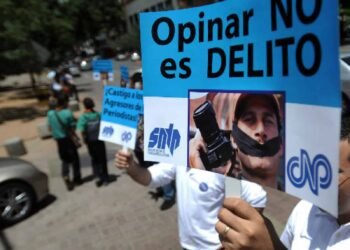
Freedom of expression: Until October 2025, 217 attacks against freedom of expression were recorded. Journalists and independent media were targets of arrests, temporary disappearances and digital censorship. amnesty.org
Human Rights Defenders: Persecutions against activists continued. Organizations such as Espacio Público, PROVEA and others reported intimidation, criminalization and restrictions through the NGO Supervision Law.
Humanitarian crisis and migration: Some 7.9 million Venezuelans have fled the country since 2015. Almost two million people depend on international humanitarian aid, while serious failures persist in basic services such as water, electricity and food.
Other rights: There was no progress in sexual and reproductive rights, or in the protection of the LGBTI and indigenous population. Illegal mining continues to generate environmental devastation.
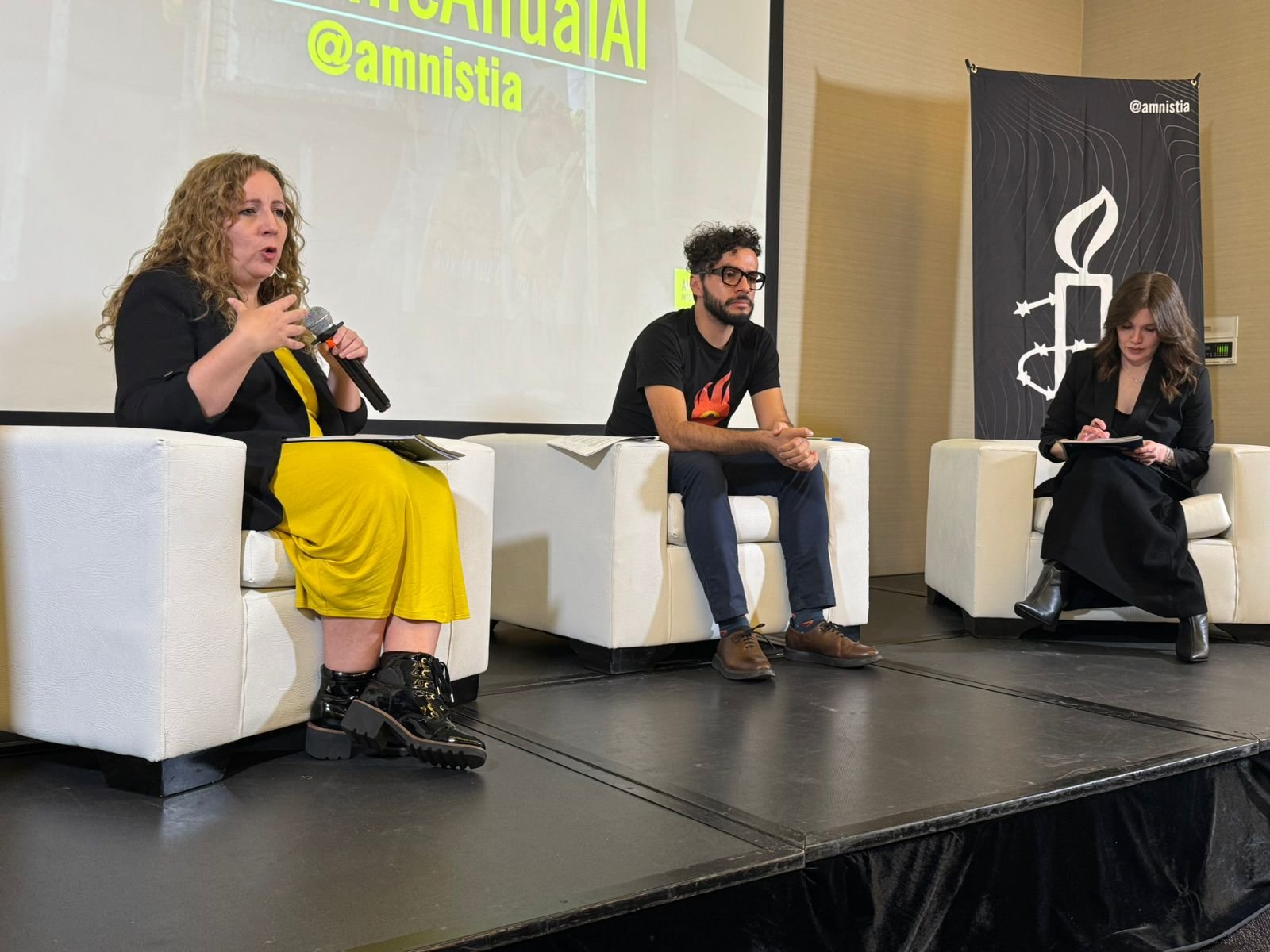
The regional launch of the report, focusing on Venezuela and Colombia, included the participation of AI representatives such as Valentina Ballesta (deputy director of Research for the Americas) and Nastassja Rojas (AI Venezuela), who emphasized the need for full releases and the end of systematic repression.
Amnesty International calls on the Venezuelan government to immediately end the violations, ensure justice for victims and respect international human rights commitments.
Colombia and Venezuela are the two most dangerous countries in the world to defend human rights due to violence due to the armed conflict, in the first case, and due to “state repression”, in the second, Amnesty International (AI) warned this Tuesday.
«Colombia and Venezuela are countries of special concern: they are the two most dangerous countries in the world to defend human rights. “Colombia remains mired in a crisis of violence caused largely by the armed conflict, while in Venezuela a pattern of state repression persists that severely restricts civic space,” AI explained in its report.
Amnesty International expressed its concern regarding the ‘total peace’ policy, promoted by the Government of President Gustavo Petro, because the guarantees of truth, justice, reparation and non-repetition for the victims “remained unclear during 2025.”