Despite continued ambiguity regarding Tehran’s final position on the agreement, the United States has begun preparations to sign a “memorandum of understanding” aimed at ending the war in the coming days in Geneva.
Not possessing nuclear weapons
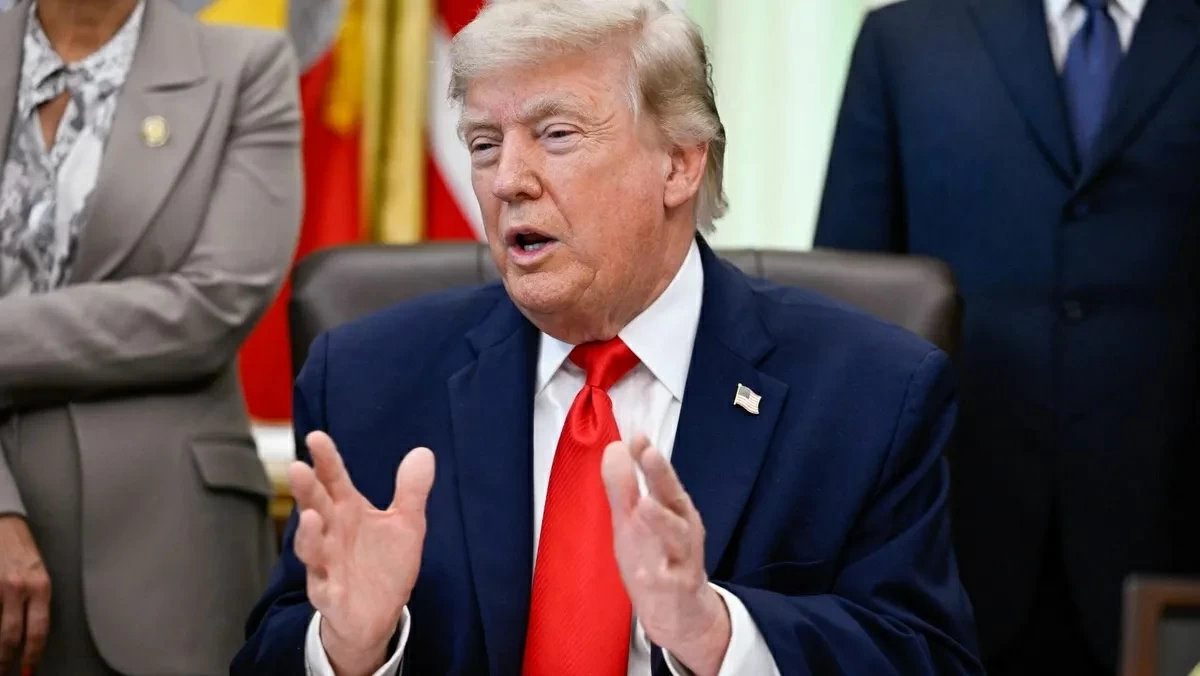
US President Donald Trump announced, during a phone call with an election rally in support of Republican candidate for governor of Georgia, Bert Jones, that his administration had “ended the war with Iran,” and that Tehran had agreed not to possess nuclear weapons in the future. He said: “This was the primary goal, and represents 95% of the case.”
Trump’s statements came hours after he talked about reaching a “very strong agreement” with Iran, and he hinted on the “Truth Social” platform that there was an understanding between the two sides without revealing its details.
On the other hand, Iran did not confirm that a final agreement had been reached, while a spokesman for the Iranian Ministry of Foreign Affairs announced that Tehran “has not taken a final decision yet.”
Terms of the agreement to end the war
According to diplomatic sources and American officials quoted by Axios, the memorandum of understanding includes extending the ceasefire for a period of 60 days, including all fronts, including Lebanon, during which negotiations on the Iranian nuclear program will resume.
The memorandum stipulates that the Strait of Hormuz will be reopened immediately after signing the agreement without imposing transit fees, with shipping traffic restored to pre-war levels within 30 days. In return, the United States will begin gradually lifting the blockade imposed on Iranian ports during the ceasefire period.
The agreement includes temporary US exemptions that allow Iran to sell oil for a period of 60 days, with the scope of sanctions relief expanding later according to the extent of Tehran’s commitment to the terms of the agreement and its “good faith” during subsequent negotiations.
In the nuclear file, Iran pledges not to possess or purchase any nuclear weapons, while entering into detailed negotiations about its stock of enriched uranium.
Study of reducing the enrichment rate
The sources indicate that Washington agreed in principle to study the option of reducing the rate of uranium enrichment inside Iran under the supervision of United Nations inspectors, but any practical steps in this file will remain dependent on reaching a second, more detailed agreement.
A diplomat from one of the mediating countries confirmed that the United States and Iran had reached an agreed upon version of the text, but the agreement still needed final signing. He added that the memorandum meets the main American requirements, while the lifting of sanctions will remain linked to the implementation of the agreed-upon obligations.
Informed sources pointed out that the agreement had been approved by senior Iranian officials as of Thursday evening, but the position of the Iranian senior leadership had not yet been completely clear.
Disagreements over the mechanism for releasing frozen funds
Regarding Iranian funds frozen abroad, disagreements still exist regarding the mechanism for releasing them. While Tehran demands a portion of these funds immediately after signing the agreement, Washington prefers to release them gradually according to the extent of compliance with the terms of the understanding.
According to US officials and diplomatic sources, discussions are underway about allowing Iran to use part of its funds frozen in Qatar to purchase humanitarian goods.
It is expected that the agreement will be called the “Islamabad Agreement”, in view of the joint mediation led by Qatar and Pakistan, while efforts continue to finalize the final text and set the date for the expected signing ceremony in Geneva.
Despite the ongoing ambiguity regarding Tehran’s final stance on the agreement, the United States has begun preparations to sign a “Memorandum of Understanding” aimed at ending the war in the coming days in Geneva.
Non-possession of Nuclear Weapons
US President Donald Trump announced during a phone call with a campaign rally supporting Republican gubernatorial candidate Burt Jones of Georgia that his administration has “ended the war with Iran,” and that Tehran has agreed not to possess nuclear weapons in the future. He stated, “This was the primary goal, and it represents 95% of the issue.”
Trump’s remarks came hours after he spoke about reaching a “very strong agreement” with Iran, hinting via the “Truth Social” platform at an understanding between the two sides without revealing its details.
In contrast, Iran has not confirmed reaching a final agreement, while a spokesperson for the Iranian Foreign Ministry announced that Tehran “has not made a final decision yet.”
Terms of the War Termination Agreement
According to diplomatic sources and US officials quoted by Axios, the memorandum includes an extension of the ceasefire for 60 days, covering all fronts including Lebanon, during which negotiations regarding the Iranian nuclear program will resume.
The memorandum stipulates the reopening of the Strait of Hormuz immediately upon signing the agreement without imposing transit fees, with maritime traffic returning to pre-war levels within 30 days. In return, the United States will begin to gradually lift the blockade imposed on Iranian ports during the ceasefire period.
The agreement includes temporary US exemptions allowing Iran to sell oil for 60 days, with the scope of sanctions relief to expand later based on Tehran’s adherence to the terms of the agreement and its demonstration of “good faith” during subsequent negotiations.
On the nuclear issue, Iran commits not to possess or purchase any nuclear weapons, while entering into detailed negotiations regarding its stockpile of enriched uranium.
Study of Reducing Enrichment Levels
Sources indicate that Washington has tentatively agreed to study the option of reducing uranium enrichment levels within Iran under the supervision of UN inspectors, although any practical steps in this regard will remain contingent on reaching a second, more detailed agreement.
A diplomat from one of the intermediary countries confirmed that the United States and Iran have reached an agreed-upon formulation for the text, but the agreement still requires final signature. He added that the memorandum meets the main US requirements, while the lifting of sanctions will remain linked to the implementation of the agreed-upon commitments.
Informed sources pointed out that the agreement has received approval from senior Iranian officials as of Thursday evening, but the position of the Iranian supreme leadership has not yet been fully clarified.
Disputes Over the Mechanism for Releasing Frozen Funds
Regarding the Iranian funds frozen abroad, disputes remain over the mechanism for their release. While Tehran demands access to a portion of these funds immediately upon signing the agreement, Washington prefers to release them gradually according to the level of compliance with the terms of the understanding.
According to US officials and diplomatic sources, discussions are underway to allow Iran to use part of its frozen funds in Qatar to purchase humanitarian goods.
The agreement is expected to be named the “Islamabad Agreement,” due to the joint mediation led by both Qatar and Pakistan, while efforts continue to finalize the text and set a date for the anticipated signing ceremony in Geneva.