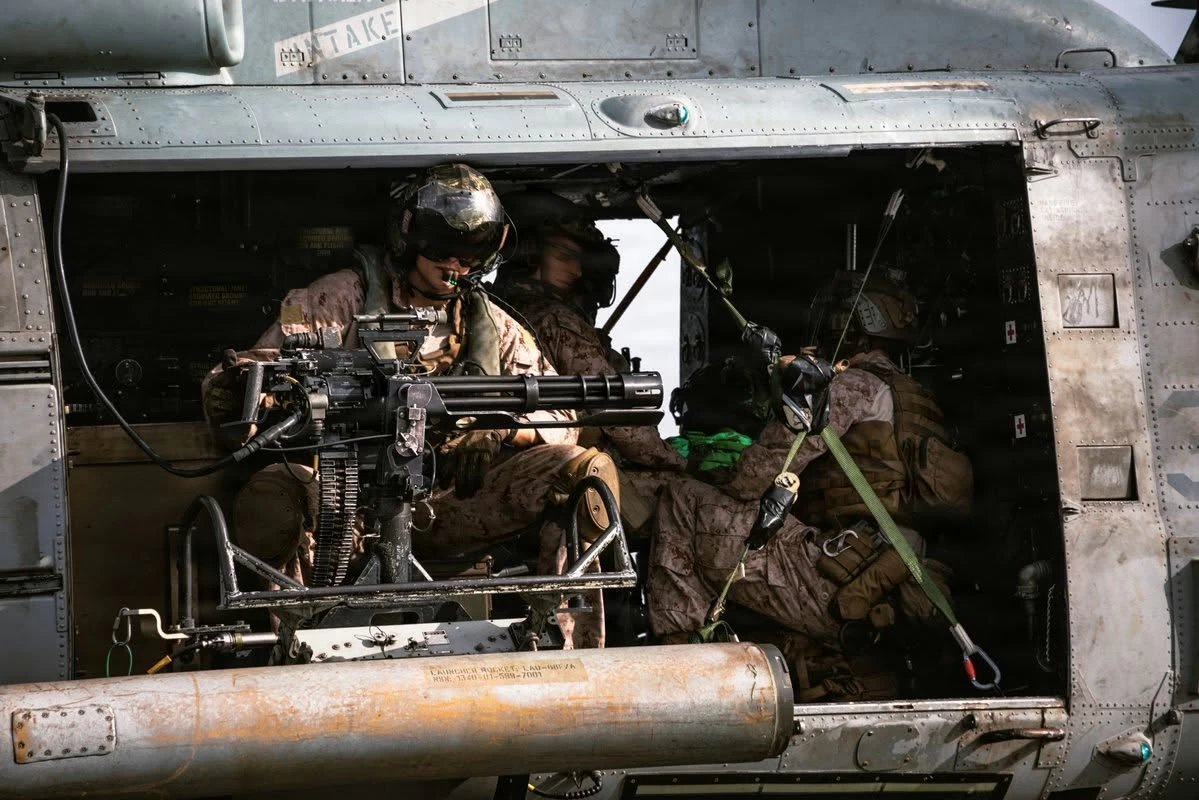
When US President Donald Trump comes out threatening to strike Iran forcefully, and the Revolutionary Guard responds with ballistic missiles targeting countries in the region, one question comes to mind: Has the region finally slid toward a comprehensive and open confrontation? Or is what we are witnessing merely the most dangerous chapter in imposing last-minute conditions?
Examining the scenes of this clash puts us before a hypothesis that rereads the scene as the highest degree of strategic deception with live ammunition.
The current military confrontation, extending from the raid on the southern suburbs of Beirut to the target bank in Jask, Bandar Abbas, and Qeshm, may not be a prelude to the big explosion, but rather it is the “thick smoke” that is desperately needed to hide the final touches on a major historical deal that appears to have reached its most sensitive stages behind the scenes, especially since the accumulated indicators suggest that the coming weeks may bring the awaited moment of decisiveness. How can they bomb each other while the “secret cooking” is cooking behind the scenes?
Trump and Iran: The common need for show
The escalation of the past hours lies in the fact that both parties, Washington and Tehran, urgently need this military hype before the final signing. The Trump administration, governed by careful political and military calculations, balanced his desire to avoid open wars with the inevitability of a response to deter the latest targets. Here, the convincing pressures led by Secretary of State Marco Rubio, supported by the Minister of War and the Chief of Staff, tipped the balance towards the option of a strong and proportionate response. The American bombing does not aim to destroy Iran, but rather to create a “victorious” spectacle and deprive Tehran of any negotiating advantage.
On the other hand, the Iranian leadership is moving in the Strait of Hormuz under heavy economic pressure and very complex political calculations, but it realizes that giving up on the nuclear file or accepting broader restrictions on the roles of regional arms, and recognizing the ongoing peace arrangements under American auspices (as is happening in Lebanon currently), is drinking a cup of political poison that cannot be marketed internally without huge justification. Therefore, the downing of the Apache helicopter, if the final narrative rests on the Revolutionary Guard’s responsibility for it, seemed closer to a scene that Tehran needs internally to tell its audience that it resisted until the last minute.
Wars of diplomatic justification
The maritime geography of the recent incident reveals extremely sensitive dimensions, as the crash of the Apache helicopter off the coast of the Sultanate of Oman reinforced the American accusation against Tehran that the attack was deliberate and planned. Despite the success of the American forces in carrying out the first sea rescue operation, the Iranian fear of the consequences prompted its Foreign Minister Abbas Araghchi to make intensive efforts to mitigate the severity of the incident, as he was quick to justify it without neglecting the language of force when he pointed out that the Strait of Hormuz is not international waters but rather a common crossing between his country and the Sultanate of Oman, in an attempt to delegitimize the American presence there, stressing that Tehran, which prefers diplomacy, is also good at speaking other languages. This diplomatic contradiction accurately reflects Iran’s desire to expand the margin of risk to compensate for the severe imbalance of power, betting that Trump is constrained by his fear of an open war that will raise energy prices and confuse his internal arrangements.
Markets and segregation of tracks behind the curtain
While the screens are busy with the number of Iranian missiles intercepted over the Gulf states, and the oil markets are moving with barrel prices exceeding the $100 barrier, the Pakistani and Omani back channels are running the joint technical committees with complete calm to resolve the thorny outstanding issues. What was leaked to the Politico network from the corridors of the White House about the “separating paths” mentality exposes the entire game, as the military response and negotiations are two separate lines that can go together at the same time.
Mutual bombing is a “pricing tool” in which each party raises the ceiling of its gains before the final signing. The truth of the matter is that the two parties are exchanging blows that are very carefully studied and under the ceiling of a decree that prevents the region from sliding to a point of no return that harms Washington’s interests or stifles what remains of Tehran’s ability to survive, as evidenced by the fact that the latest Iranian response was quickly absorbed and contained without causing strategic damage that changed the course of the cold negotiation.
Features of the new Middle East
This escalation, governed by daily threats, represents the actual announcement of the end of the ancient Middle East and the birth of a different structural reality that completely breaks the previous equations.
The latest military tour may be the corridor that Trump needs to market any upcoming historic deal, and it may also give Tehran an opportunity to capture enough power cards to save its regional face before entering a new phase.
The scene is quickly moving towards closing the pending accounts, and whatever the technical details of the upcoming agreement, the current gunpowder storms are nothing but the bloody throes of new regional arrangements in which the boundaries of influence are redrawn, the waterways are secured, and the identity of the next stage is controlled with iron and fire in the last quarter of an hour.
When US President Donald Trump emerges threateningly to strike Iran hard, and the Revolutionary Guard responds with ballistic missiles targeting countries in the region, one question comes to mind: Has the region finally slipped into a comprehensive and open confrontation? Or is what we are actually witnessing the most dangerous chapter of imposing last-minute conditions?
Scrutinizing the behind-the-scenes of this clash presents us with a hypothesis that reinterprets the scene as the highest degree of strategic deception with live ammunition.
The current military confrontation, extending from the raid in the southern suburbs of Beirut to the target bank in Jask, Bandar Abbas, and Qeshm, may not be a precedent to a big explosion; Rather, it is the “thick smoke” desperately needed to conceal the final touches on a major historical deal that seems to have reached its most sensitive stages behind the curtain, especially since the accumulated indicators suggest that the coming weeks may carry the awaited moment of resolution. So how do they bombard each other while the “secret recipe” is maturing behind the scenes?
Trump and Iran: The Shared Need for a Show
The escalation of the past hours lies in the fact that both parties, Washington and Tehran, are in dire need of this military noise before the final signing. The Trump administration, governed by precise political and military calculations, balanced between its desire to avoid open wars and the necessity of responding to recent targeting, and here the scales tipped in favor of the convincing pressures led by Secretary of State Marco Rubio, supported by the Secretary of Defense and the Chief of Staff, to resolve the situation towards a strong and proportional response. The American bombardment aims not to destroy Iran but to create a scene of the “victor” and deprive Tehran of gaining any negotiating advantage.
In contrast, the Iranian leadership in the Strait of Hormuz operates under heavy economic pressure and highly complex political calculations, but it realizes that conceding on the nuclear file or accepting broader restrictions on the roles of regional proxies, and acknowledging the ongoing peace arrangements under American sponsorship (as is happening in Lebanon currently), is akin to swallowing a cup of political poison that cannot be marketed internally without a huge justification. Therefore, the downing of the Apache helicopter, if the final narrative settles on the Revolutionary Guard’s responsibility for it, seems closer to a scene that Tehran needs internally to tell its audience that it resisted until the last moment.
Wars of Diplomatic Justification
The maritime geography of the recent incident reveals extremely sensitive dimensions, as the fall of the Apache helicopter off the coast of Oman reinforced the American accusation against Tehran that the attack was deliberate and premeditated. Despite the success of American forces in executing the first maritime rescue operation, Iranian fears of the consequences prompted its Foreign Minister Abbas Araghchi to make intensive efforts to mitigate the impact of the incident, as he hastened to justify it without neglecting the language of power when he pointed out that the Strait of Hormuz is not international waters but a shared passage between his country and Oman, in an attempt to strip legitimacy from the American presence there, asserting that Tehran, which prefers diplomacy, also knows how to speak other languages. This diplomatic contradiction accurately reflects Iran’s desire to expand its margin of risk to compensate for the sharp imbalance in the balance of power, betting that Trump is constrained by his fear of an open war that would raise energy prices and disrupt his internal arrangements.
Features of the New Middle East
This escalation, governed by daily threats, represents the actual announcement of the end of the old Middle East and the birth of a different structural reality that completely breaks previous equations.
The recent military round may be the corridor Trump needs to market any upcoming historical deal, and it may also give Tehran the chance to gather enough cards of power to preserve its regional face before entering a new phase.
The scene is rapidly heading towards closing outstanding accounts, and whatever the technical details of the anticipated agreement, the current powder storms are nothing but the bloody labor pains of new regional arrangements in which the boundaries of influence are redrawn, maritime passages secured, and the identity of the coming phase defined with iron and fire in the last quarter-hour.
The Markets and the Separation of Tracks Behind the Curtain
While screens are busy with the number of Iranian missiles intercepted over Gulf countries, and oil markets move to push barrel prices beyond the $100 mark, Pakistani and Omani back channels are quietly managing the joint technical committees to dismantle the thorny outstanding issues. What has leaked to Politico from the corridors of the White House regarding the “separation of tracks” mentality fully exposes the game; Military response and negotiations are two separate lines that can run together simultaneously.
The mutual bombardment is a “pricing tool” in which each party raises the ceiling of its gains before the final signing, and the truth is that both parties exchange carefully calculated punches under a drawn ceiling that prevents the region from slipping into a point of no return that would harm Washington’s interests or suffocate what remains of Tehran’s ability to survive, as evidenced by the fact that the recent Iranian response was absorbed and contained quickly without causing strategic damage that would alter the course of the cold negotiations.