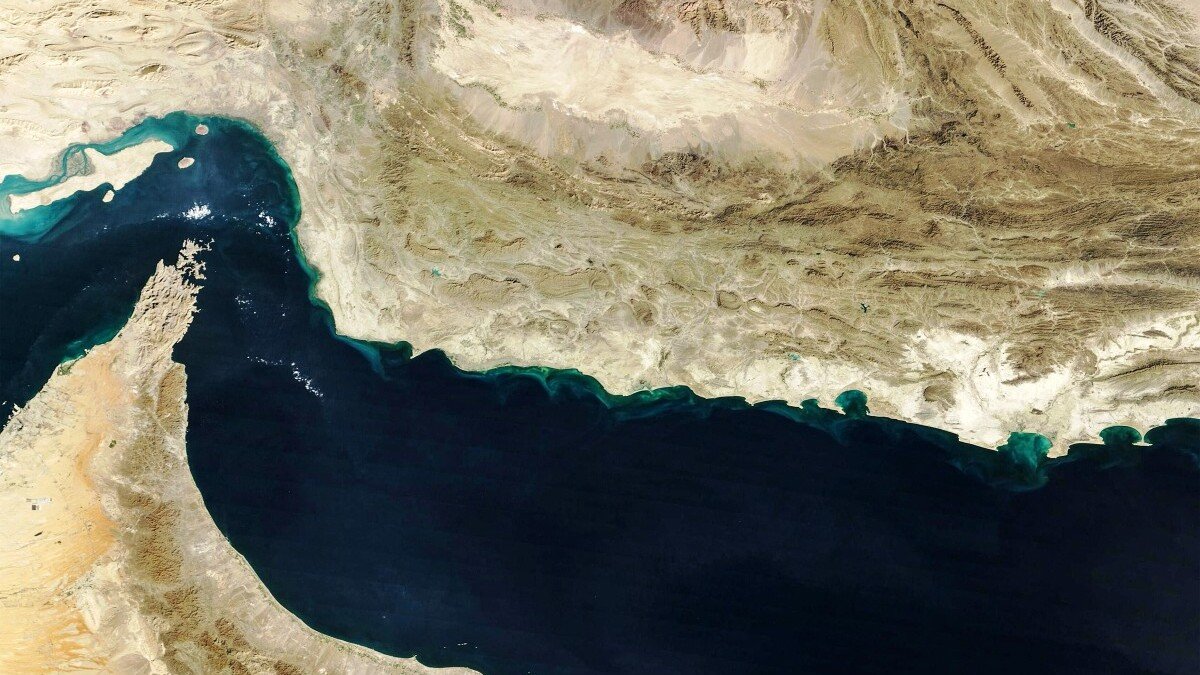
The deadline set by the president donald trump to begin the naval blockade of Iranian ports expired this Monday at 2:00 pm GMT (10:00 am in Colombia), beginning a new point of escalation in the crisis between Washington and Tehran following the failure of the first round of peace talks held over the weekend in Islamabad.
READ ALSO
The measure contemplates the closure of Iranian ports in the Gulf and the control of the Strait of Hormuz, one of the most sensitive points of world energy trade, through which nearly 20 percent of global oil transits. The US armed forces warned that they will only allow vessels that do not originate or destination in Iran to pass through this route.
In a message published on Truth Social, 23 minutes after the deadline, Trump assured that the Iranian Navy had been “practically annihilated”stating that 158 ships lie “at the bottom of the sea.”
US Secretary of State Marco Rubio (left) and President Donald Trump. Photo: Getty Images via AFP
He also issued a warning about the remaining Iranian vessels and said that any attempt to approach the blockade will be met with immediate force, using – he said – the same “removal methods” employees against drug trafficking.
The announcement had an immediate impact on the markets. The New York Stock Exchange opened lower, reflecting investor concern about a possible disruption in global energy supply.
In the first exchanges, The Dow Jones index fell 0.52 percent, while the Nasdaq fell 0.26 percent and the S&P 500 lost 0.23 percent.
READ ALSO
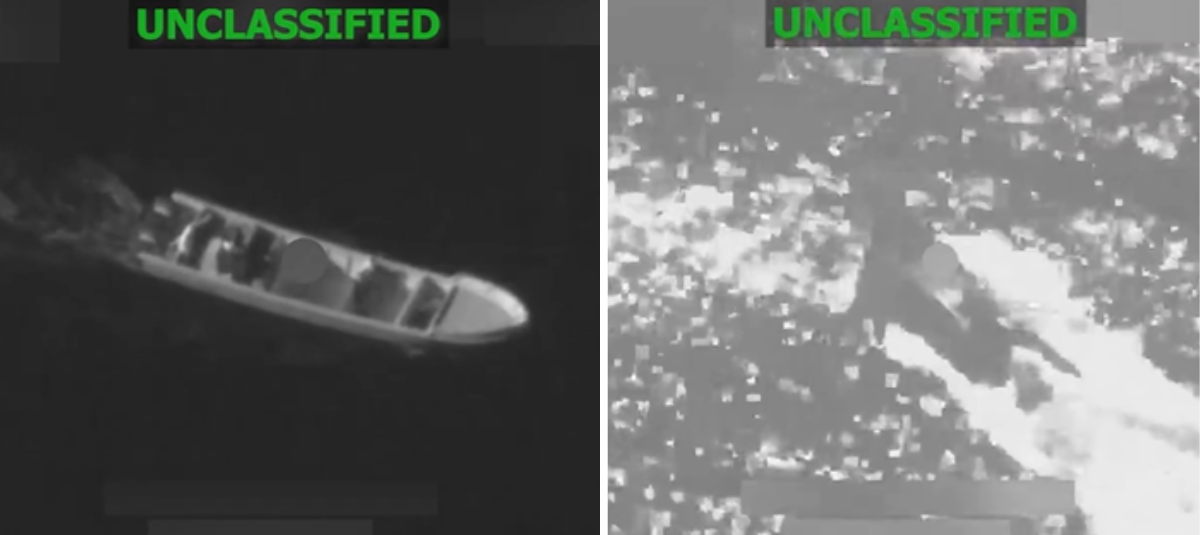
At the same time, the implementation of the blockade begins to translate into operational restrictions on regional navigation. UK Maritime Trade Operationsa British maritime surveillance agency, warned that access limitations will be imposed on ships of any flag that have stopped at ports, Iranian oil terminals or coastal facilities along the country’s entire coastline.
Regional actors try to contain the escalation
The Foreign Minister of Qatar, Mohamed bin Abdulrahman, held a telephone conversation this Monday with his Iranian counterpart, Abbas Araqchí, in which he asked to consolidate the ceasefire with the United States and avoid the use of the Strait of Hormuz. “as a letter of pressure or negotiation.”
Iranian Foreign Minister Abbas Araqchi. Photo: EFE
Doha insisted on the need to keep sea routes open and guarantee freedom of navigation.
Along the same lines, the Prime Minister of Pakistan, Shehbaz Sharif, stated that the ceasefire “still holding on”although he acknowledged that negotiations continue to resolve pending issues between the parties.
READ ALSO
Araqchí also had a call this Monday with the head of Saudi Arabia’s diplomacy, Faisal bin Farhan, with whom he discussed peace negotiations with the United States and “they exchanged opinions on the matter”according to a statement from the Saudi Foreign Ministry that did not provide further details.
CAMILO A. CASTILLO — International Deputy Editor — X: @camiloandres894
With information from EFE and AFP
Source link