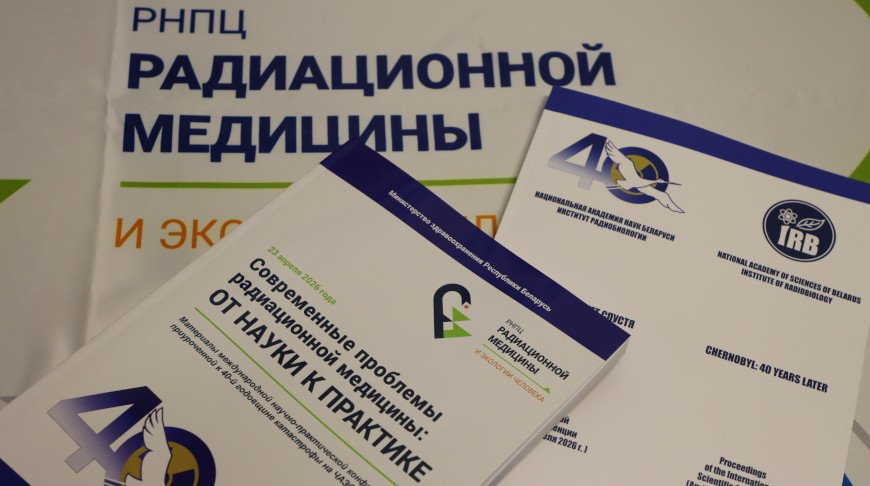

Photos courtesy of the Republican Research Center for Radiation Medicine and Human Ecology
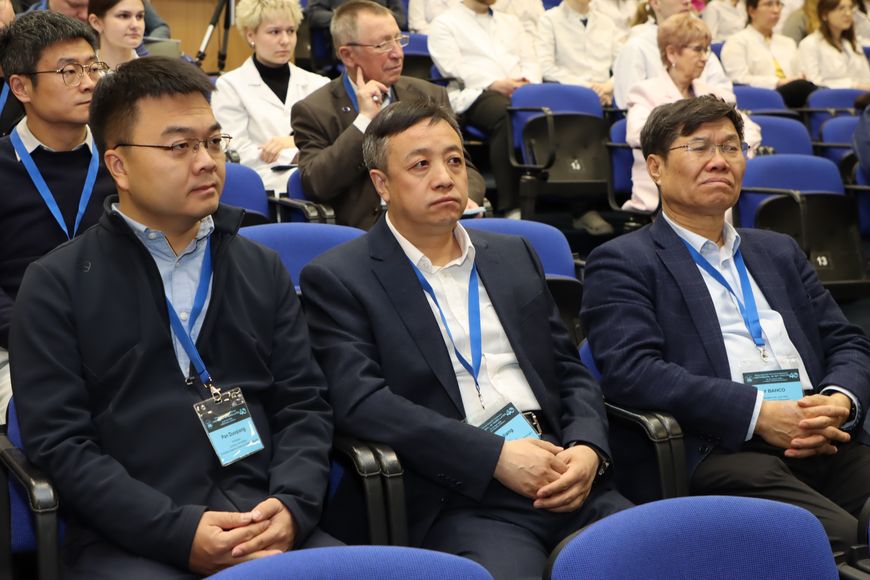
GOMEL, 23 April (BelTA) – An applied science conference titled “Contemporary problems of radiation medicine: From science to practice” brought together more than 200 participants at the Republican Research Center for Radiation Medicine and Human Ecology in Gomel, BelTA has learned.
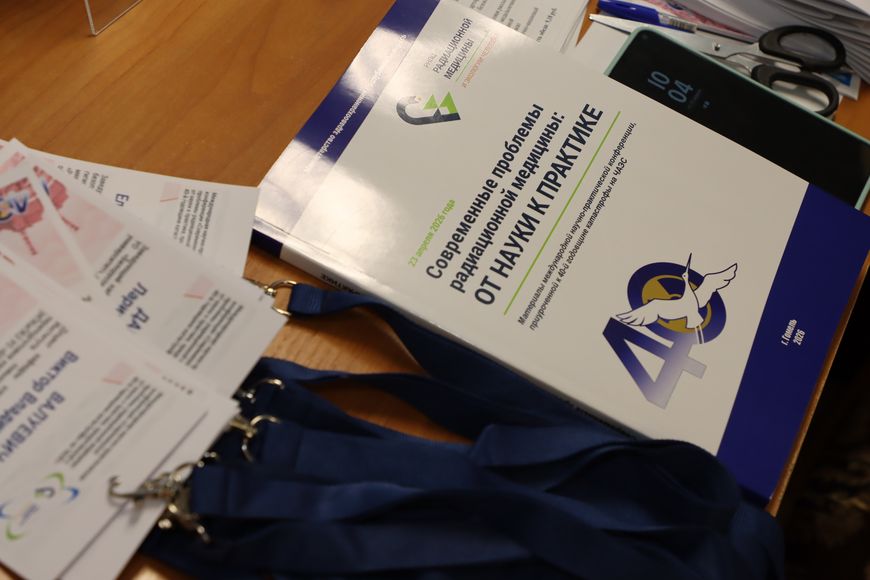
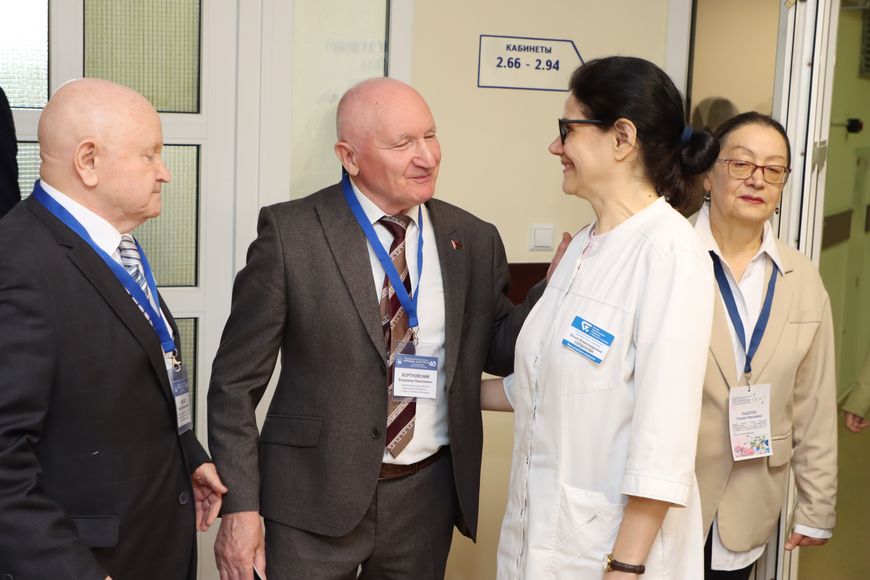
In the run-up to the 40th anniversary of the Chernobyl nuclear power plant accident doctors, scientists, and experts from Belarus, Russia, and China have joined the discussion of current matters in person and online. The main goal of the meeting is to exchange accumulated experience at the junction of radiation and clinical medicine, radiation ecology, epidemiology, and radiobiology.
“Yes, the accident happened 40 years ago, but we have coped with it. Today we have stable health indicators, we have positive results from the rehabilitation of the territories that were contaminated as a result of the Chernobyl accident. At the same time, we cannot stand still, and further scientific research and various developments will continue. There are short-term and long-term prospects in this direction,” emphasized Anzhelika Zharikova, Deputy Director for Polyclinic Work at the Republican Research Center for Radiation Medicine and Human Ecology.
She drew attention to the fact that the conference is discussing results of the work carried out by the state as a whole and by many institutions in various areas to minimize the consequences of the Chernobyl nuclear power plant accident – both social and medical ones.
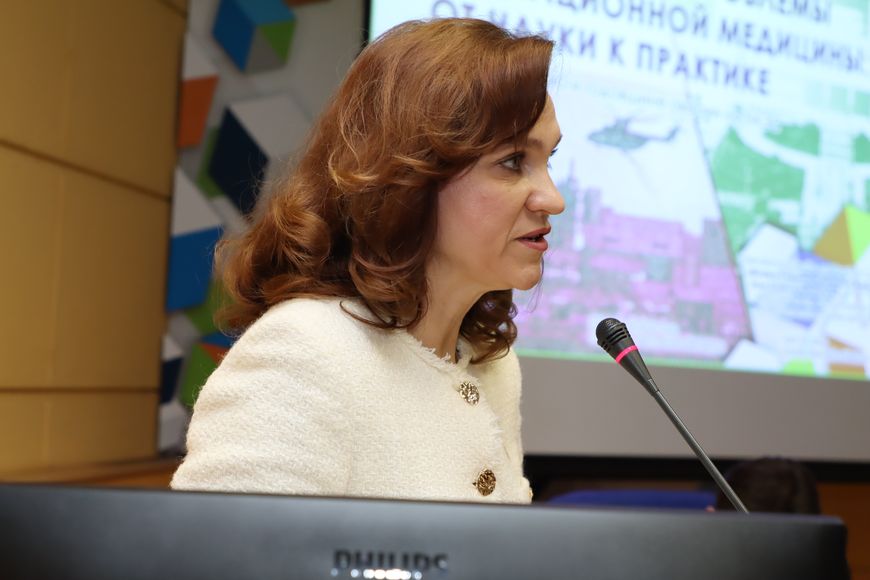
“Colleagues are sharing the experience that has been accumulated in the period after the Chernobyl nuclear power plant accident. Certain organizational measures were developed. New methods of diagnosis, treatment, approaches to providing medical care, rehabilitation, and preventive measures aimed at minimizing the consequences were created. This experience is invaluable,” she emphasized.
Anzhelika Zharikova also recalled that the Republican Research Center for Radiation Medicine and Human Ecology where the conference is taking place is a multifunctional conglomerate of science and practice. “Scientific research and development aimed at improving the provision of medical care are conducted here. The institution also deals with matters of providing specialized high-tech medical care to the affected population,” she said.
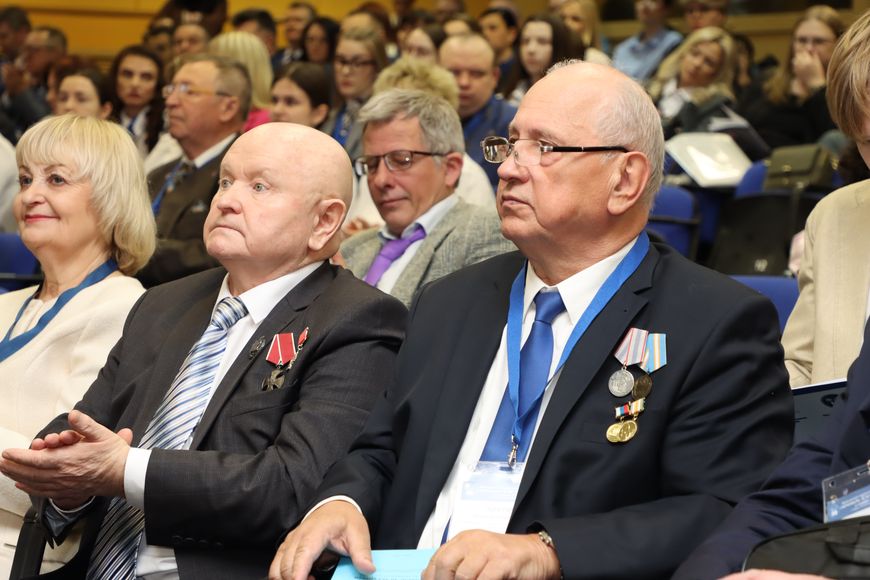
Rector of Gomel State Medical University Irina Nazarenko noted that radiation medicine has advanced greatly. “Over the past 40 years we have all gained colossal experience, which we are sharing with our foreign partners and colleagues,” the rector said.
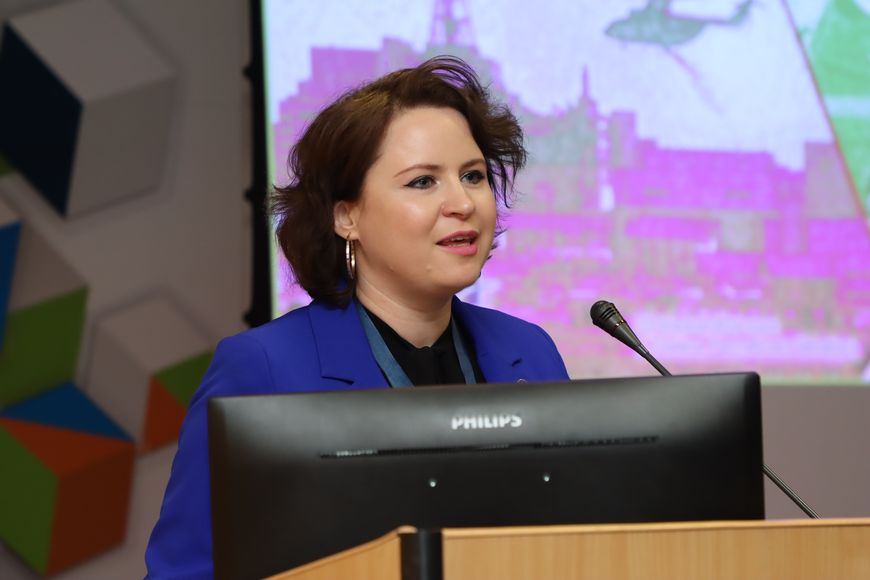
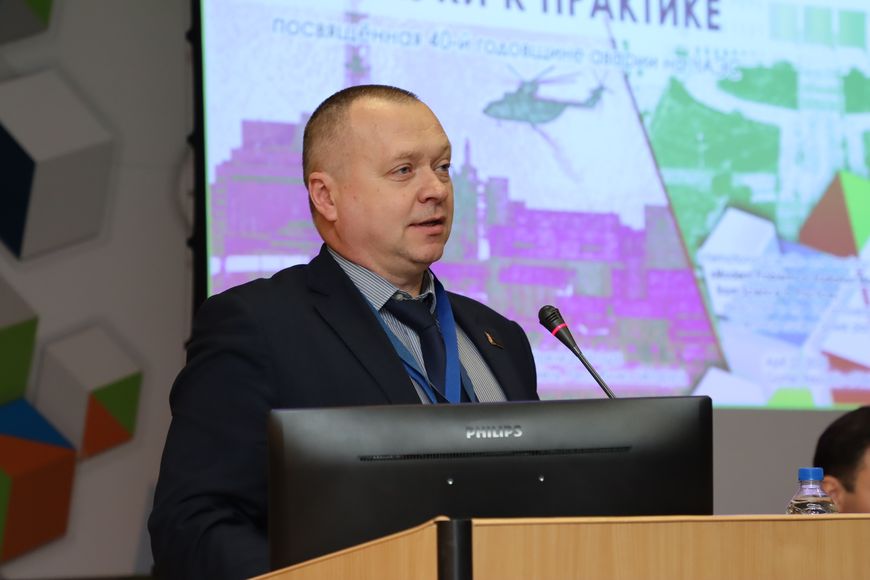
“Four decades have passed. The development of science and technology allows us to look at solving problems differently. I am glad that all the achievements in our country are developed thanks to our scientific personnel, our medical personnel. I hope that new ideas will emerge at this conference. And new projects will emerge as these ideas develop. There are many tasks. We will solve them, pooling our potential for the benefit of our country and its future,” added Dmitry Pavlov, Deputy Head of the Nuclear and Radiation Safety Department of the Belarusian Emergencies Ministry.
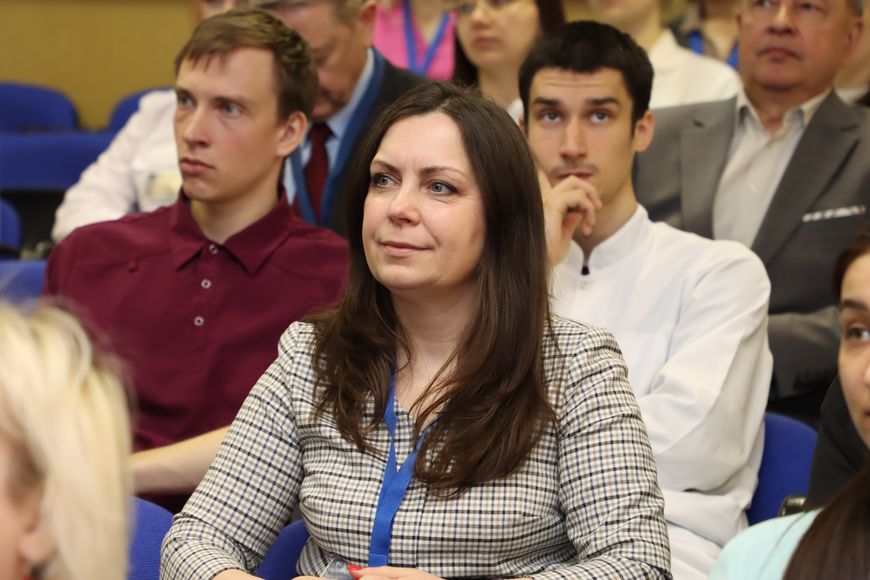
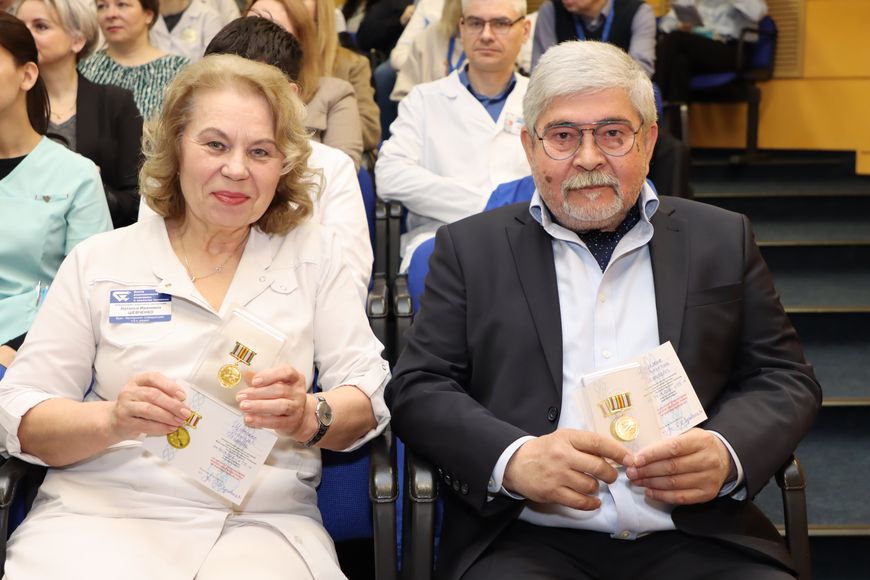
The conference was organized by the Belarusian Healthcare Ministry and the Republican Research Center for Radiation Medicine and Human Ecology, with the Institute of Radiobiology of the National Academy of Sciences of Belarus and Gomel State Medical University as co-organizers.