The talks with Tehran take place in parallel with the ceasefire already in force, agreed by Lebanon and Israel and accepted by Hezbollah, under the mediation of Washington, after 45 days of clashes and expansion of the Israeli occupation in the south of the neighboring country.
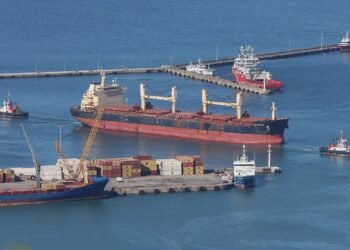
Despite the opening of the Strait of Hormuz, through which around 20% of the world’s oil and liquefied natural gas passed before the war, military vessels “remain banned”, according to Iranian state television.
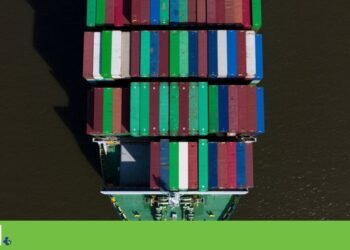
The interruption of commercial shipping, as Iran’s retaliation for the attacks by the United States and Israel, caused uncertainty in the markets, caused the price of crude oil to soar and affected the global economy, in addition to contributing to the destabilization of the Middle East, including the resumption of the war between Israel and Hezbollah.
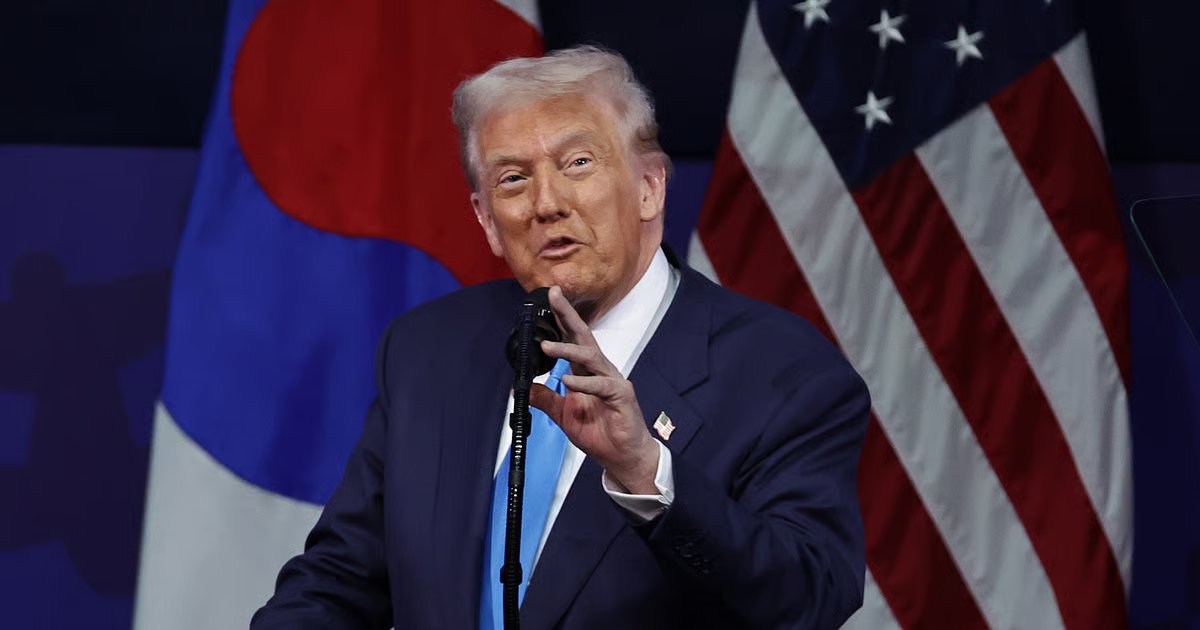
The American president also once again addressed NATO allies, recommending that they stay away from Hormuz“unless they just want to load their tankers” after the reopening of the strait.
“Now that the situation in the Strait of Hormuz is resolved, I received a call from NATO asking if we needed help. I told them to stay away,” he wrote in his series of messages on Truth Social, insisting that the Atlantic Alliance partners “were useless when necessary, a paper tiger.”