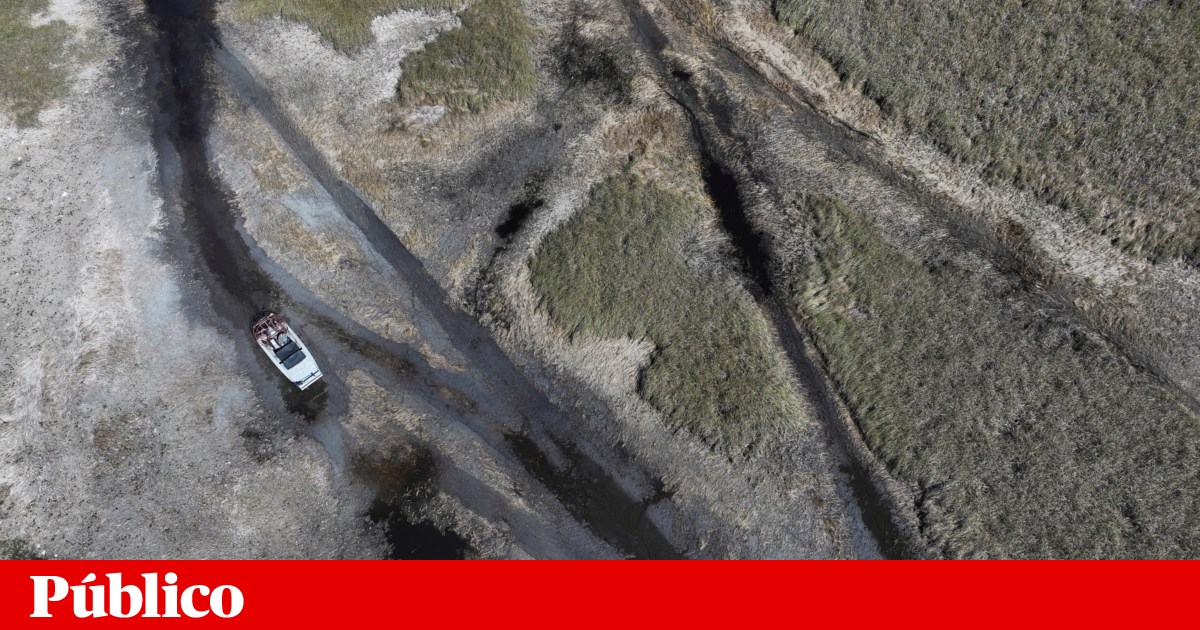
Large swaths of the United States are in urgent need of abundant rain as the drought continues to worsen. Stretching from Oregon to Florida and north to the nation’s capital, nearly two-thirds of the territory (about 63%) is facing drought conditions of varying levels of intensity — just two percentage points below this century’s most widespread drought, which occurred in 2012.
The driest state compared to its average has been Utah, where there has been a 59% reduction in precipitation since October. Colorado, Arizona and New Mexico followed closely behind, with reductions of 46%, 43% and 39%, respectively.
“Hydrology and climate of the West are very out of line with the historical rhythm,” said Utah Assistant State Climatologist Jon Meyer.
In Utah, there is some apprehension about what the next few months might bring in terms of water consumption, Meyer said. Winter snowfall reached historic lows and March temperatures broke records, which led to extremely early melting of accumulated snow and very low water runoff volumes. The same is true in Colorado, where “the mountain snowpack is in historically very poor condition,” state climatologist Russ Schumacher wrote earlier this month.
Where the drought is hitting hardest
This drought is spreading across vast areas. A total of nine states — Alabama, Georgia, Mississippi, North Carolina, New Jersey, South Carolina, Tennessee, Utah and Virginia, as well as Washington DC — are in full drought conditions that also affect more than 99% of the land area of Florida and Arkansas.
Another six states have drought coverage greater than 90%: Colorado, Wyoming, New Mexico, Kentucky, Louisiana and Maryland.
The “Sunshine State” has lived up to its name, but some heavy rain would be welcome in Florida. This has been the worst drought in the state so far this century, with an “exceptional” drought — the highest level of severity — affecting 23% of the territory, associated with a climate pattern of La Nina who graduated last fall and recently finished.
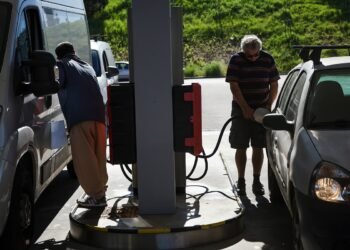
Florida state climatologist David Zierden described wide-ranging impacts of the drought, including river and stream flows at near historic lows in the northern part of the state, restrictions on water use and an elevated risk of wildfires. The impacts also include the effects on the livestock industry due to the lack of pasture growth and in agriculture, dry soil makes it difficult to plant row crops such as corn, peanuts, cotton and soybeans.
“Hurricane debris and fallen trees from the hurricane Helene in 2024 they add even more flammable fuel,” said Zierden, adding that the lack of moisture from last season’s hurricanes contributed to the drought, as 20 to 30% of precipitation in late summer and fall in Florida comes from tropical systems.
“If the rainy season arrives late or is less intense, the impacts could actually worsen,” he said. The rainy season starts on May 15th.
In Georgia, 27% of the land area is experiencing exceptional drought. The state climate office recently wrote that dozens of counties have been placed under burn bans due to ongoing wildfires — including one that destroyed at least 120 homes — and extremely dry fuels. Farmers and ranchers across the state have reported dusty soils, hard, cracked terrain, poor grazing conditions and low water levels in ponds.
The impacts of the drought are becoming more evident in North Carolina, according to the state climate office. In Raleigh, the first phase of water restrictions was implemented, limiting residents to outdoor watering once a week. However, the supply of drinking water remains normal. A statewide burn ban is also in effect.
Only two states — Michigan and North Dakota — are completely drought-free.
Is there any relief on the way?
Drought conditions are expected to continue through the summer throughout the Inland Mountains and Great Plains region, according to the National Oceanic and Atmospheric Administration’s (NOAA) latest drought forecast, which covers the period through July. The agency also highlighted a likely expansion of the drought in the Northwest.
“Poor snow conditions in the Sierra Nevada will also be a concern for California, which depends on recharge from melting snow to maintain reservoir levels and adequate river flow during the dry summer season,” the agency wrote.
An extensive marine heatwave in the Pacific could contribute more moisture, bringing a more intense monsoon season to areas of the West, but any eventual relief is still months away.
Meyer added that summer precipitation does not have a significant impact on Utah’s water resources, but greater humidity can reduce evaporation, which “preserves our level of optimism in the Utah weather/climate community.”
Further east, the drought is also expected to continue, although its intensity may decrease in parts of the South, including Florida — if the rainy season is robust. Throughout May, more storms are expected to cross the region due to a stronger jet stream, associated with the formation of a phenomenon of El Niño.
In the mid-Atlantic region, the drought is also expected to persist, although the arrival of cooler weather and some rain in May may halt its worsening.
In the areas most affected by drought in the country, excessive and sudden rain could even cause flooding, as the dry and cracked soil would have difficulty absorbing the water.
Exclusive PUBLIC/The Washington Post