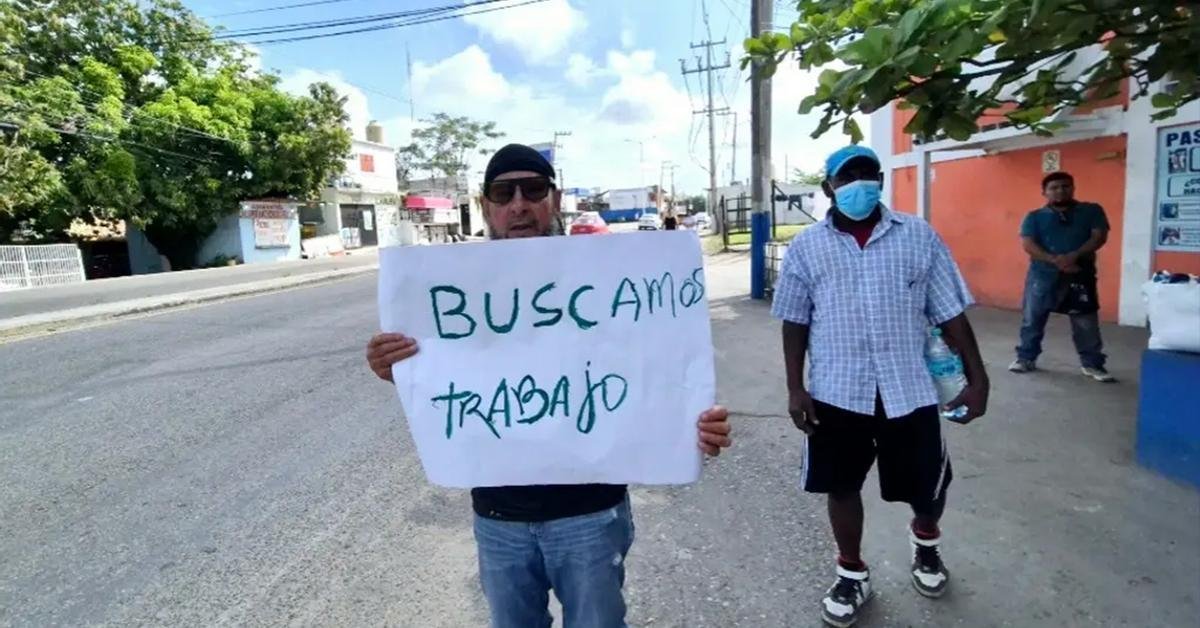
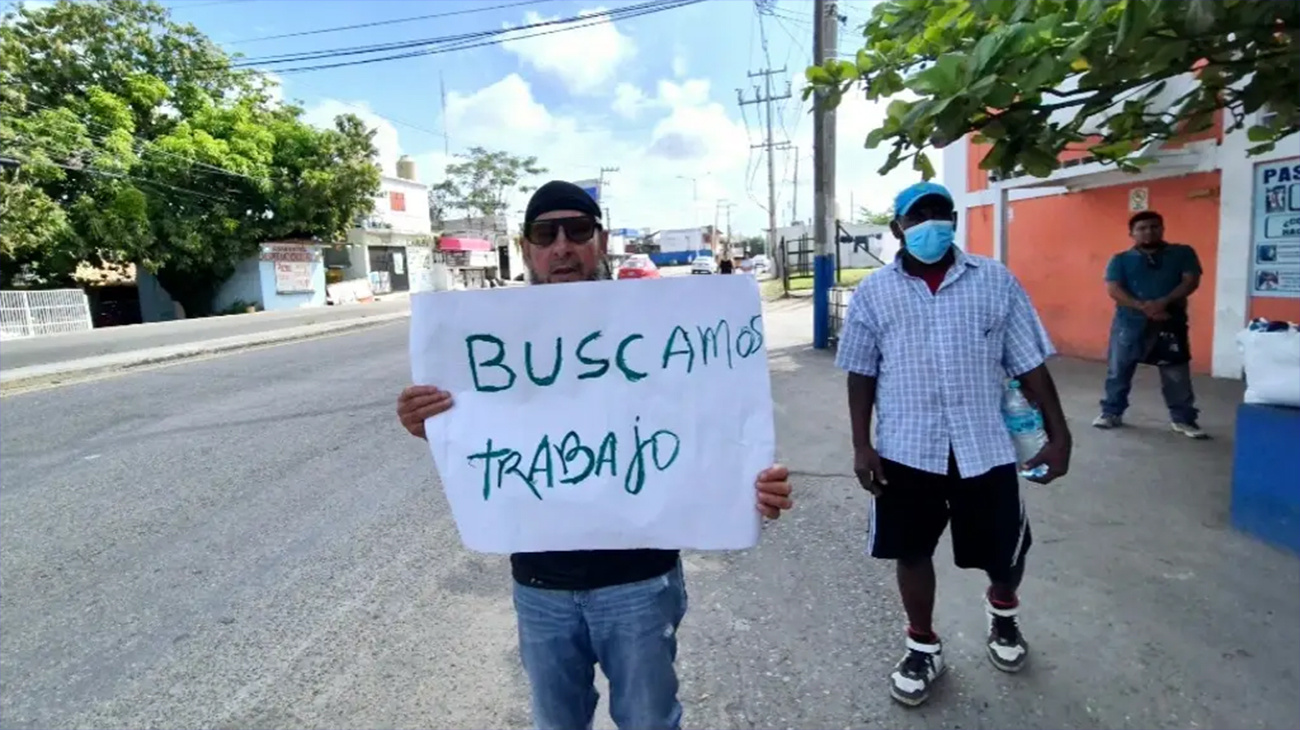
Mexico City/Beans, cans of tuna and sardines, cookies, bread, bottled water, soap, toothpaste, sheets, shoes, tennis shoes and backpacks, are some of the products that have been collected by the Ceiba Collective and the Migrant Observatory to benefit more than a thousand Cubans deported by the United States who are stranded in Villahermosa, Tabasco, and live in destitution. “The most affected group is people between 50 and 80 years old, several with chronic degenerative diseases,” the group points out.
“Budget cuts to humanitarian organizations have made it difficult to meet basic needs,” they add. “Non-perishable food, personal hygiene items, clothing and other basic necessities are needed that will be distributed among these people.”
The US Government confirmed last March that, through an “unwritten” agreement with Mexico, deported 6,000 Cubansseveral of whom were transferred to Villahermosa. Oliverone of the thousands of migrants with form I-220A expelled by the United States and abandoned “without documents or money,” told this newspaper that several of these expelled people are criminals whose “records are erased before crossing them.”
Lawyer José Luis Pérez highlights the collection, however, he emphasizes; “Cubans who in the US had a name, belongings, family, in Mexico are in limbo. In the country, they are nothing, for Immigration they are people without documents.”
“These deportations operate without a clear legal framework or transparent guidelines,” says lawyer Pérez
Although the Mexican Government denies the existence of a formal safe third country agreement, “these deportations operate without a clear legal framework or transparent guidelines,” the lawyer denounces.
The Ceiba Collective enabled five collection points that were located in the Cocoa Mía, Grijaw Coffee Cart, Azteca Gym Fitness, Alma Latte and DACSyH UJAT stores.
The lawyer denounces that in Villahermosa, due to the ineffectiveness of the immigration agencies, shelters such as Oasis de Paz del Espíritu Santo have had to be set up to support relatives of patients, “now it faces the migratory exodus and is an option for Cubans, Haitians, and Hondurans.”
The lack of support is also experienced in Tapachula, Chiapas, a state bordering Guatemala. The mayor of Tapachula, Yamil Melgar Bravo, acknowledged in a talk with South Journal the increase of Cubans in the region. The mayor said that the Cuban Embassy “has not responded” to his request to “establish communication channels and respond to the needs of around 10,000 migrants from the Island who are in transit or in the migratory process.”
Melgar regretted that given “the slowness of the procedures, Cubans choose to abandon the processes and continue on their way without documentation in caravans, which places them in a highly vulnerable situation.”