Casablanca hosts, from May 4 to 6, the first edition of GITEX Future Health Africa Moroccoa unique meeting dedicated to digital health on the continent. Organized under the aegis of Ministry of Health and Social Protectionin partnership with the Mohammed VI Foundation for Science and Health (FM6SS) and carried by KAOUN Internationalthe event aims to structure an African ecosystem around health technologies.
From the opening, the tone is set. For the Minister of Health, Amine Tehraouithe transformation of the sector is no longer a choice but a necessity, in a context where “technology moves faster than us”. It highlights concrete applications, from telemedicine to artificial intelligence, capable of responding to structural challenges such as medical deserts or the weakness of epidemiological surveillance systems.
At the heart of discussions, the question of artificial intelligence stands out as a major lever. Predictive algorithms, diagnostic tools, personalized medicine: digital technologies are reshaping the contours of health systems. But their deployment also raises issues of governance, data protection and equity.
It is precisely on this point that Youns Bjijoudeputy director of the FM6SS, insists. According to him, digital transformation must be part of a logic of universal access and health sovereignty. “Health is not a burden, but a strategic investment,” he recalls, while warning of the risk of a digital divide which could accentuate territorial and social inequalities.
The issue goes beyond the national framework. Several speakers stressed the need to think about this transformation on a continental scale. For the minister, Africa has the necessary assets to build its own health sovereignty, provided that it strengthens regional cooperation, pools production capacities and develops shared data systems.
Same reading from the industry side. Yasmine Lahlou Filalipresident of the Moroccan Federation of Pharmaceutical Industry and Innovationbelieves that “the health of tomorrow will be digital”, but also industrial and inclusive. It calls for the construction of an integrated ecosystem, capable of bringing together public authorities, technological players, the pharmaceutical industry, investors and start-ups.
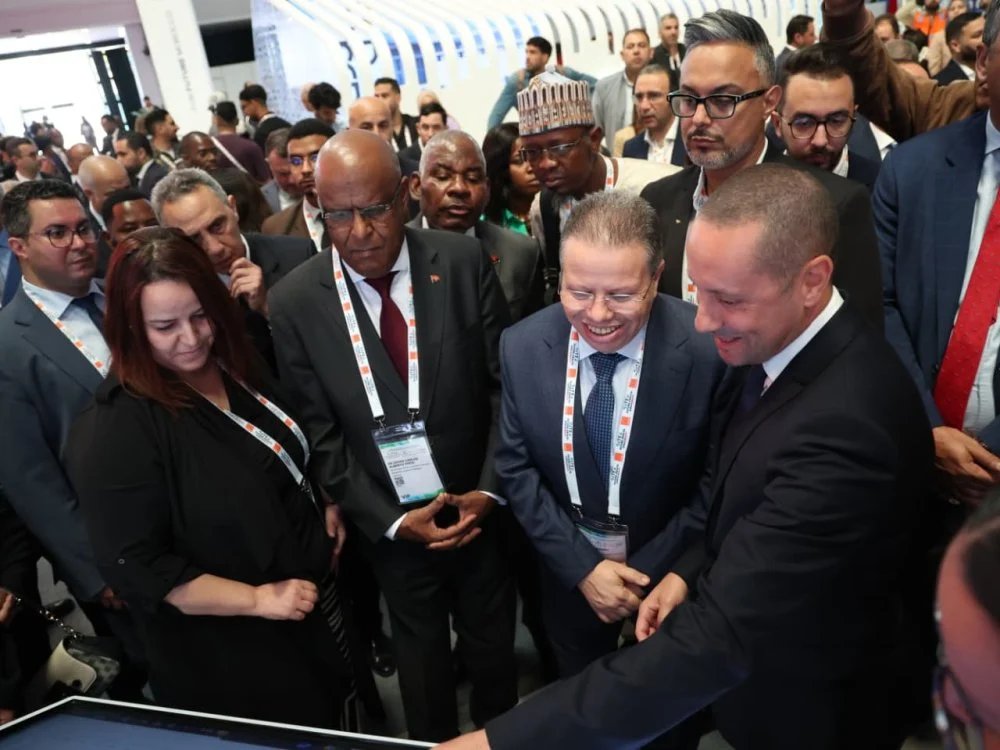
GITEX Health Africa positions itself precisely as this platform. For three days, nearly 30 countries are represented, alongside 200 international exhibitors, including large pharmaceutical and technology groups. The event is intended to be a space for demonstration, reflection and the conclusion of partnerships, with the ambition of accelerating the transition from innovation to concrete applications.
Beyond the speeches, the challenge is clear: transform African health systems by making them more resilient, better connected and driven by data. This requires reconciling technological innovation, strengthening local capacities and equitable access to care.
In Casablanca, GITEX Health Africa is thus opening a new project: that of digital health designed for African realities, where artificial intelligence, far from replacing caregivers, becomes a tool serving more accessible, more effective and more humane medicine.