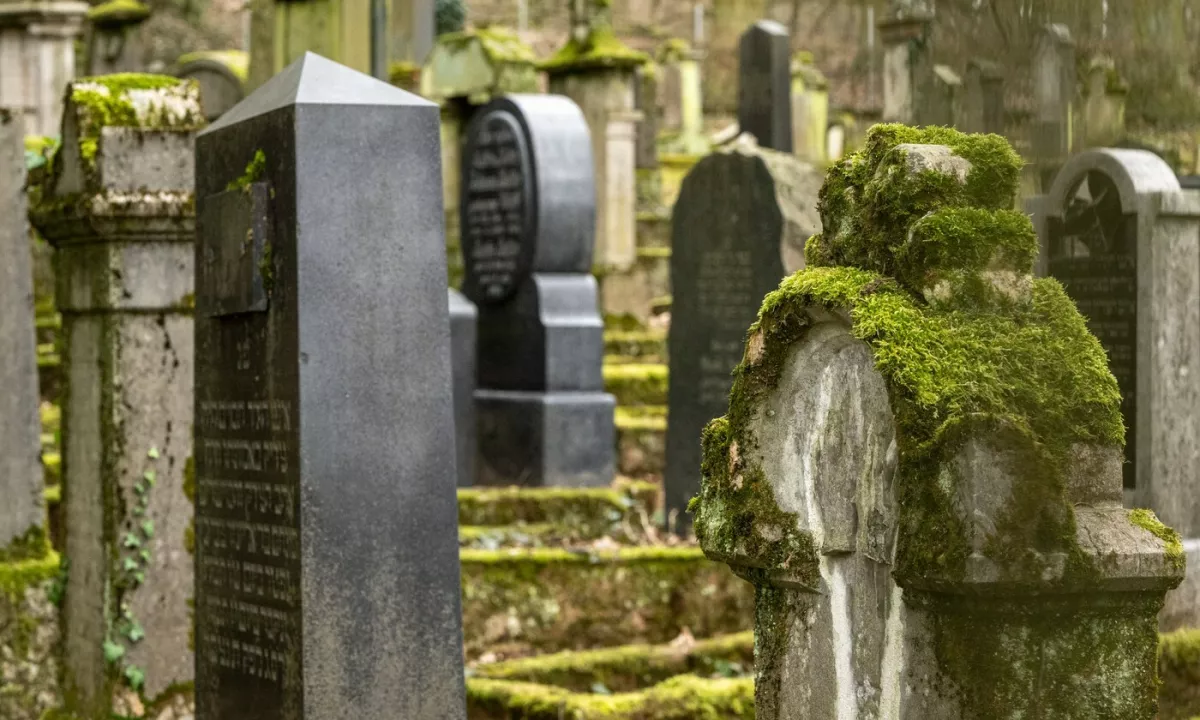
Symbolic photo: Profimedia
As in the crime series: a piece of moss helped reveal the grave robbers
In a twist worthy of a crime series, FBI agents and scientists used a small piece of moss to help convict four cemetery workers who were emptying graves and reselling the plots.
The scandal at Burr Oak Cemetery near Chicago began in 2009 when investigators accused workers of digging up old graves, moving the bodies elsewhere within the cemetery and then reselling the grave sites. After a forensic investigation, prosecutors stated that approximately 1,500 bones of at least 29 people were illegally excavated, writes Science Alert.
Moss as key evidence
The breakthrough in the case came from a small sample of moss found about 20 centimeters below the surface of the soil next to the human remains.
The head botanist at the Field Museum, Matt von Konrat, together with his colleagues, determined that it was a species of Fissidens taxifolius, the so-called common pocket moss.
How they determined the time of the crime
A connection between the two locations was not enough for a conviction – investigators also had to prove the time the remains were moved.
Moss has a special property: even when it is dry or partially dead, it can maintain minimal metabolic activity. This declines over time, which makes it possible to estimate the age of the sample. The scientists analyzed the breakdown of chlorophyll (the green pigment that enables photosynthesis) and compared the sample to mosses of known age.
The results showed that the moss was only one to two years old – meaning it had been moved while the accused were working at the cemetery.
Conviction and the importance of the case
Based on this evidence, the workers were convicted in 2015 of desecrating human remains. Although the FBI often works with experts, the use of moss as key evidence is extremely rare. A 2025 study found that mosses and similar plants have been used as evidence in only about a dozen cases over the past century.