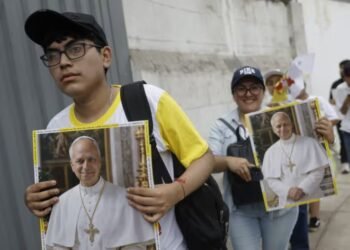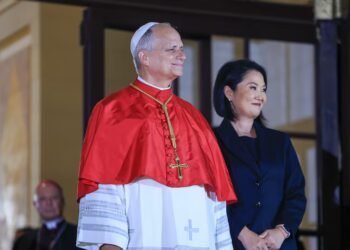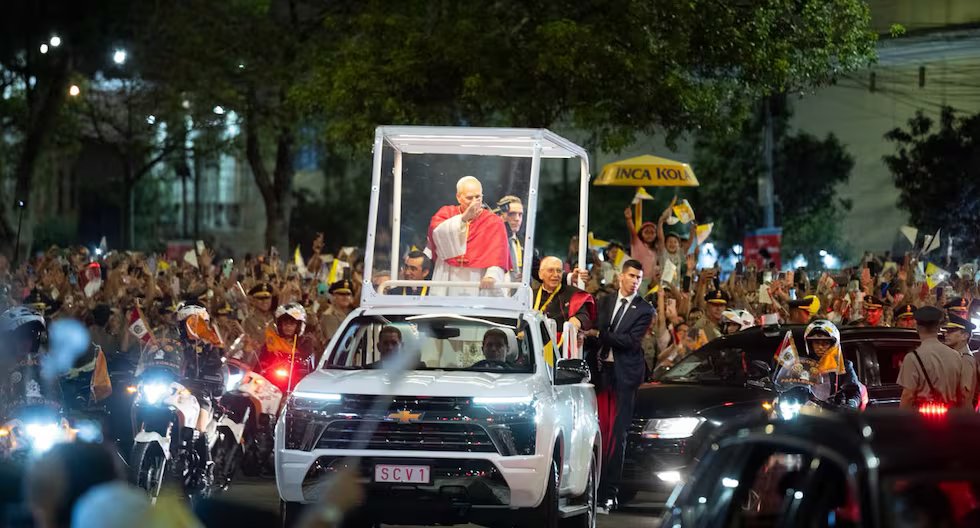
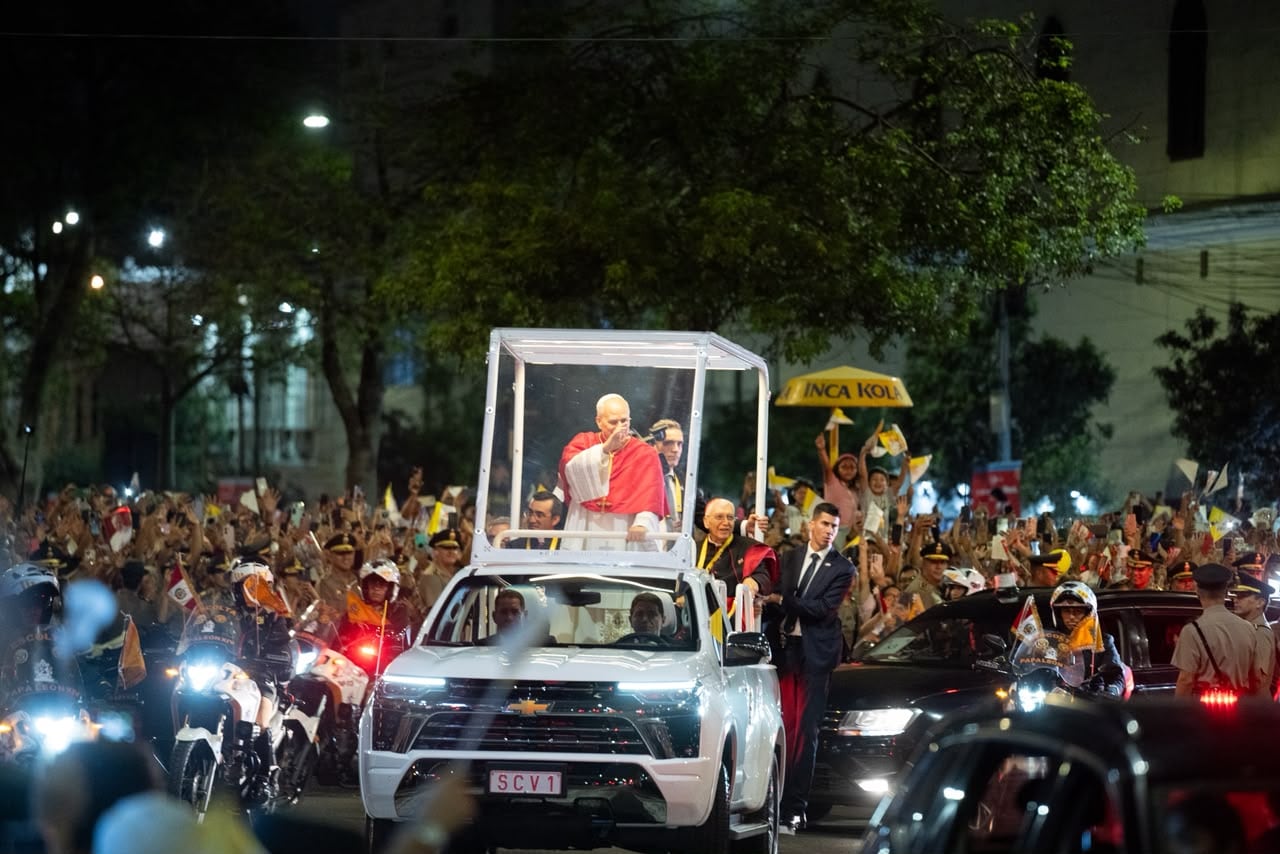
Although Leo XIV’s visit finds Peruvians hyperconnected and, at times, deeply distracted, perhaps it is a magnificent opportunity to talk less about religious labels and more about the meaning of living. Because not everything that makes us move forward is always on a cell phone screen.
I am dedicated to technology and believe in progress. Precisely for this reason, I am intrigued that we still treat faith as if it were an application incompatible with modernity. Since when is asking essential questions an exclusive matter for those who trust – only – in science?
The historian of religions Mircea Eliade proposed an anthropological view: the relationship with the sacred crosses cultures and eras. Beyond each creed, human beings search for meaning, symbols and a connection with that which transcends them. It is not necessary to share the same answer to recognize the depth of the question.
The South Korean philosopher Byung-Chul Han brings this concern to the terrain of the 21st century. In his works, he warns that we have confused living with producing, communicating with bonding, and rest with recharging batteries to continue working. Even silence seems suspicious: if we do nothing, we feel like we are wasting our time. How horrible to live five minutes without notifications!
Han reminds us that contemplation is not a luxury or a corporate wellness gimmick. It is the possibility of paying attention, listening, stepping aside and opening space for the other. Rituals, religious or not, can also give us belonging in a society that talks a lot, but often meets little. For this reason, the visit of Leo XIV can awaken something more than fervor among believers.
In a country where mistrust has become currency, it is worth asking ourselves if we still know how to stop, recognize ourselves, and validate those who live outside our little bubble.
Therefore, I see no contradiction between innovating and cultivating a virtuous life. Technology expands our capabilities, virtue forces us to ask ourselves what to use them for. Artificial intelligence can optimize processes, but it cannot decide for us what deserves our moral commitment. That work remains deeply human. And it always will be.
Maybe transcending is about that: creating something that remains beyond what is closest to us, choosing generosity when no one is looking. Get lost in the silence.
Faith, with or without a religious tradition, can feed that willingness to look beyond one’s own self, facilitating the so absent inner journeys. And hope also deserves a place in our idea of a shared future.
After all, what is the point of expanding our human capabilities if we lose sight of what makes our existence truly virtuous?
*El Comercio opens its pages to the exchange of ideas and reflections. In this plural framework, the Diario does not necessarily agree with the opinions of the columnists who sign them, although it always respects them.