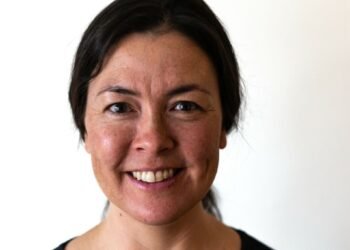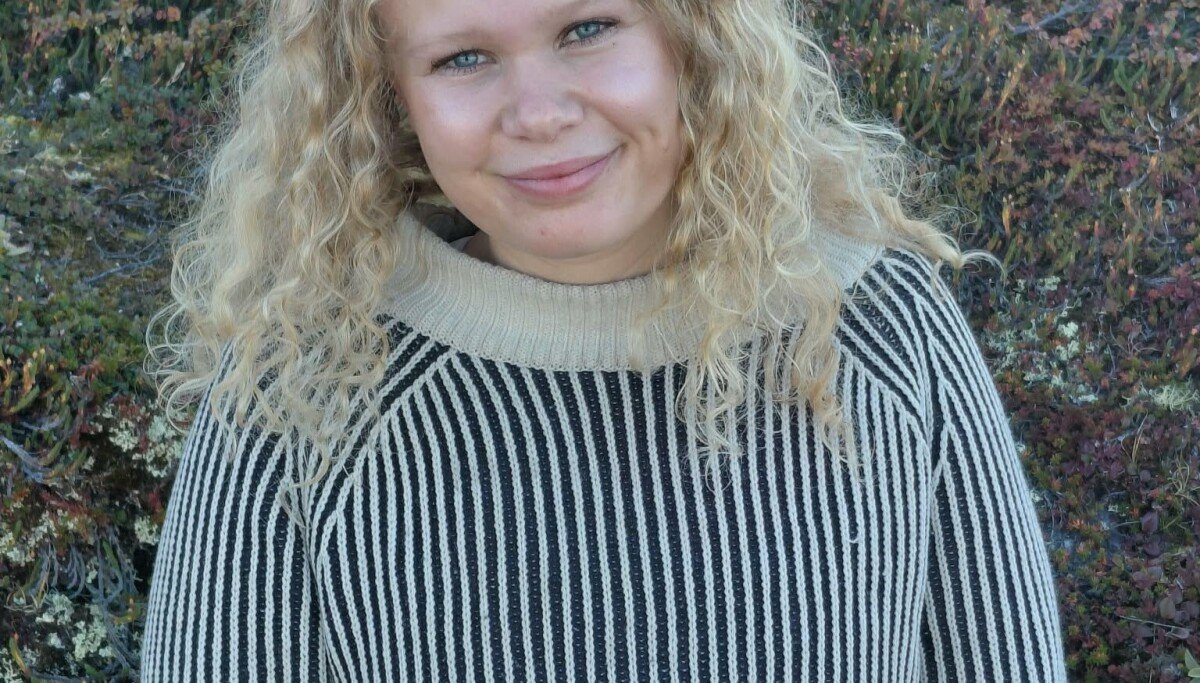
It has won recognition and praise among archaeologists that 21-year-old Ellen Yrsa Andresen has found errors in the Greenlandic and thus also the Faroese and Danish passports.
But let’s start at the beginning.
It has won recognition and praise among archaeologists that 21-year-old Ellen Yrsa Andresen has found errors in the Greenlandic and thus also the Faroese and Danish passports.
But let’s start at the beginning.
After school at Atuarfik Mathias Storch, Ellen Yrsa Andresen visited her mother one day, who 11 years ago was a manager at the museum in Ilulissat. At the same time, a group of tourists handed over a skull from an old grave, which they had found on a hike in the mountains around the town. And these two incidents together had a decisive impact on Ellen’s hobby in her teenage years and her choice of educational direction as an adult.
– It was a wild experience to get so close to something that is no longer here, says Ellen Yrsa Andresen to Sermitsiaq.
Interest in archeology was reinforced with TV broadcasts about the past, visits to museums during the holidays and books under the Christmas tree. The Viking Age in particular, with its stories about the Norsemen in Greenland, set fire to the imagination. The Vikings wrote with runes, and Ellen Yrsa Andresen has studied precisely these texts in recent years, including during a longer stay in Oqaatsut.
– It is exciting to translate texts on the rune stones into a language that we understand today, so that we get an insight into the thoughts that the Vikings had 1,000 years ago, says Ellen Yrsa Andresen.
In Greenland, archaeologists have found well over 100 objects with runic inscriptions from the Norse period, including the Kingittorsuaq stone from a small island north of Upernavik.
The name Thyra misspelled
In 2022, the Commonwealth got a passport with a new look, where the Jellinge Stone, also called Denmark’s baptismal certificate, is the overarching theme. Both as a motif on the inside pages and as a watermark on the other pages.
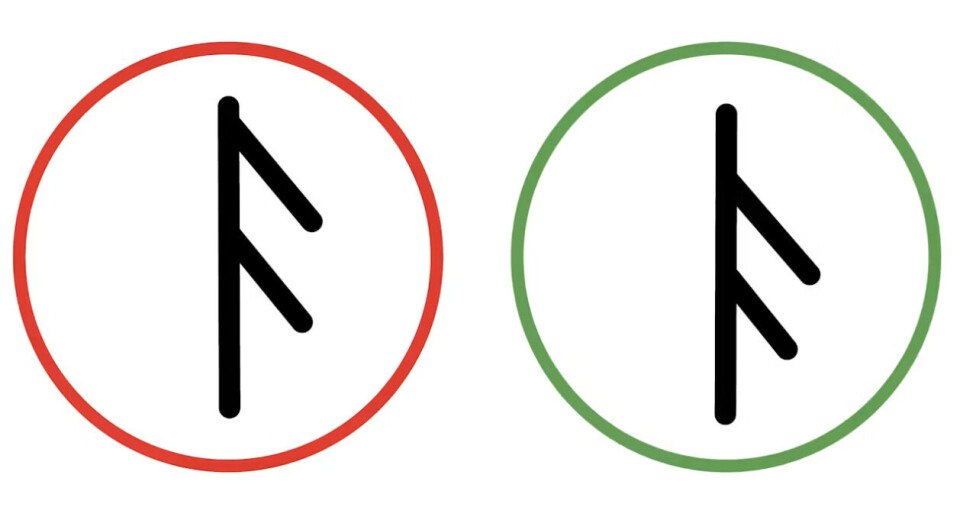
Ellen Yrsa Andresen closely read the runic texts in the background pattern in the passport, taken from the Jellinge Stone, which Harald Blåtand erected for his parents, Gorm the Old and Queen Thyra.
But whoa. Something is wrong with the way the new passport spells the name Thyra. The first runic alphabet from the Iron Age consists of 24 letters; the Viking alphabet from the 7th century consists of 16 letters. The passport from 2022 simply mixes the old and new spellings together in the name Thyra.
Ellen Yrsa Andresen has drawn attention to her discovery of the mistake, which is now recognized by archaeologists and museum professionals. But don’t worry. The passport is still valid despite the spelling error, but the professional recognition is a pat on the back, which makes you want to delve further into the subject.
Ellen Yrsa Andresen currently works at Hotel Hvide Falk in Ilulissat, but her dream study is Prehistoric Archeology at the University of Copenhagen.
– Maybe I’ll find a skull myself one day, just like the tourists did 11 years ago in Ilulissat.