New US tariffs of between 10 and 12.5 percent, replacing a temporary global tariff, have gone into effect.
A new US tariff against 60 global trading partners, including the EU, entered into force on Friday morning at 06.01.
This is written by the news agencies Reuters and AFP.
The tariffs, which range from 10 to 12.5 percent, replace a temporary global tariff that President Donald Trump imposed in February and was set to expire Friday morning.
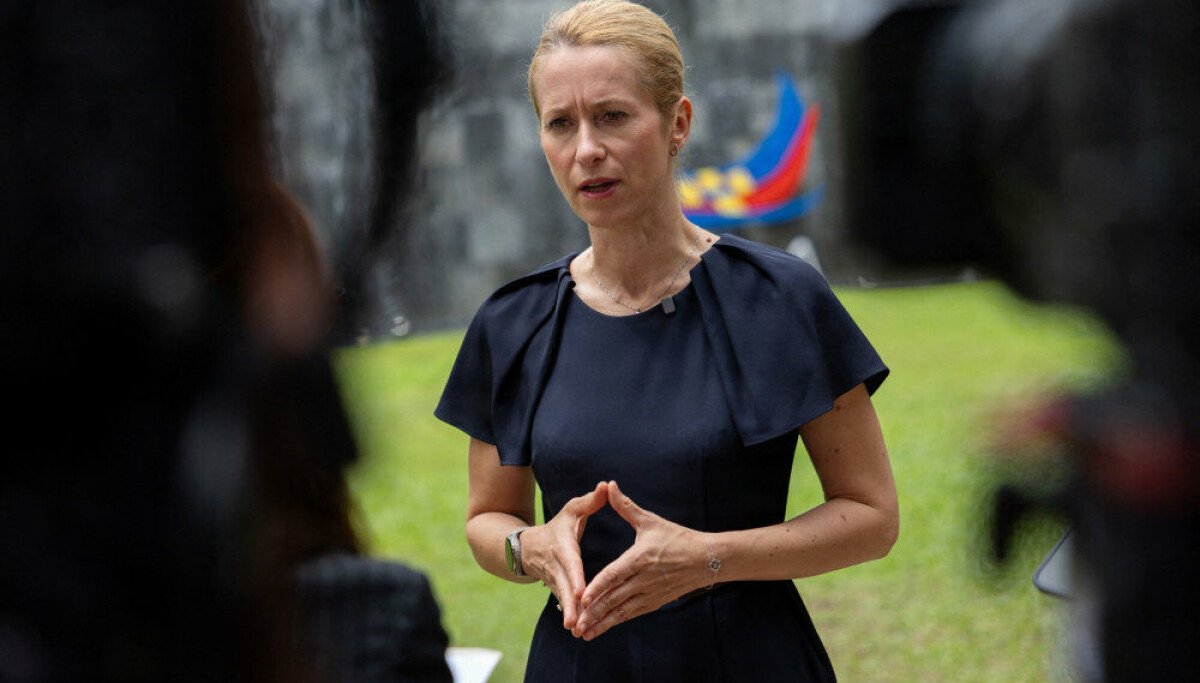
The EU’s foreign affairs chief, Kaja Kallas, questions the Trump administration’s justification for introducing the tariffs early on Friday morning.
When the tariffs were announced on Thursday evening by US Trade Representative Jamieson Greer, the rationale was that the 60 trading partners had not introduced and enforced bans on the import of goods made by forced labour.
– You can’t say that about the European Union, Kallas told Reuters on Friday morning in connection with a meeting of the Asean forum in the Philippines’ capital, Manila.
– If you compare our labor legislation with that of the United States, we have paid holidays and we have very good working conditions for our employees. So it is not something that has hold in reality, she adds.
The foreign minister adds that the EU will ask the administration in the US for a further explanation.
She believes that the EU has lived up to its obligations in relation to a trade agreement that was concluded between the EU and the US last year.
– We had an agreement with the United States, and we have complied with our part of that agreement. Therefore, it is an unpleasant surprise that the agreement is not respected, says Kallas.
Several of the countries covered by the new tariffs have reacted with surprise and criticism to the Trump administration’s justification for forced labor on Friday night.
This applies to Norway, Australia and Brazil, among others.
A senior Trump administration official said Thursday night, according to Reuters, that the new tariffs are not a direct replacement for the temporary tariffs that expired Friday morning.
The new tariffs have been introduced with reference to the so-called section 301 of the Trade Act of 1974.
The law allows the US administration to impose import duties on goods from other countries if the countries are deemed to have unfair trade practices.
The official says the United States has a stricter import ban on goods made by forced labor and enforces them more consistently than any other country, giving foreign competitors an unfair advantage over the United States.
RITZAU