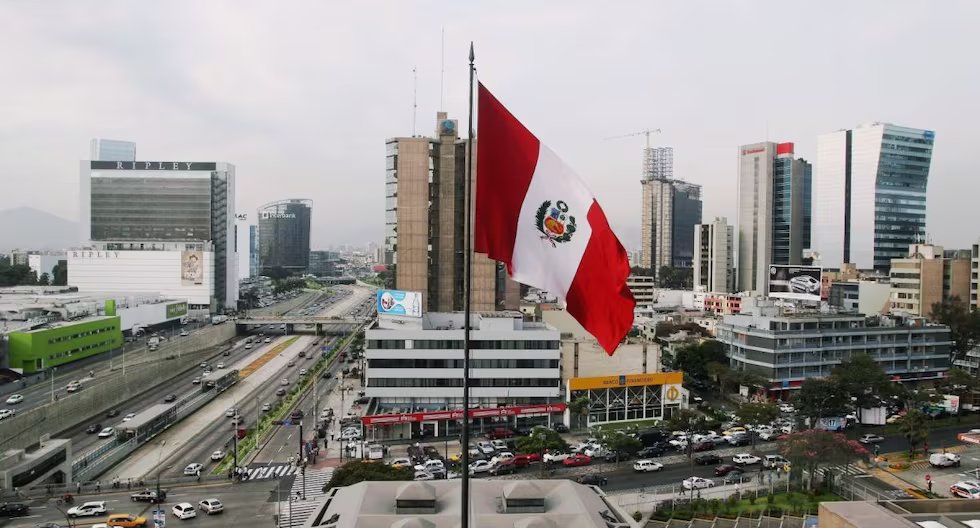
The IPE analyzes the main challenges facing the country as the new government begins. Weak public management is reflected in the advance of insecurity, an unfavorable environment for investment, fiscal deterioration and regional gaps in access to basic services.
Generate conditions for private investment to grow by double digits throughout the five-year period.
Between 2004 and 2013, the economy grew 6.2% a year and poverty fell from 58.7% to 23.9%. Since then it has grown only 2.4% per year and poverty reached 25.7% in 2025, above the 2013 level. The new government must ensure predictability and a favorable environment for private investment, so that economic growth greater than currently expected allows for the generation of more formal employment, mainly for the youngest.
Ensure quality public management and competent authorities.
The high turnover of officials disrupts policies, weakens technical teams and delays decisions and investments. Since July 2021, Peru has had 10 Ministers of Economy and Finance, 8 of Health and 18 of the Interior. The instability also affected other entities, which totaled 79 changes of presidents and general managers: Petro-Perú, 28; EsSalud, 35; and Sedapal, 16. Reversing it requires electing authorities based on merit, experience and integrity, setting measurable goals, strengthening accountability and avoiding appointments based on party quotas or political pressures.
Fight against insecurity and illegal economies
In 2025, one in four Peruvians over the age of 15 was the victim of a crime. Complaints of extortion totaled 27,000 between July 2025 and June 2026, five times more than in 2021. Even so, in 2024 less than 30% of police stations were in good condition. This problem costs the country more than 2% of GDP, according to the IDB. Facing it requires strengthening the operational and investigative capacity of the Police, improving coordination with the Prosecutor’s Office and the Judiciary, integrating information systems and reducing prison overcrowding.
According to the FIU, suspicious financial operations linked to illegal mining totaled US$6,036 million in 2025, eight times more than in 2016, and complaints grew 39% in the first half of 2026. In areas such as Pataz and Tambopata, those registered in Reinfo coincide with coca crops, which shows the weak presence of the State. After five extensions and almost a decade of Reinfo, only 2.4% managed to formalize. The response must combine formalization with credible deadlines, traceability of inputs, sustained oversight, effective presence of the State and cross-border cooperation.

Restore the Fiscal Stabilization Fund (FEF)
Between 2006 and 2013, the State took advantage of the high prices of minerals to save and had fiscal surpluses in 6 of 8 years. Resources such as the FEF were then used to respond to the FEN 2017 (spending 1.2% of GDP) and Covid-19 (2.5% of GDP). Despite the new increase in mineral prices, this fund only accumulates about 0.9% of GDP as of the second quarter of this year. On the other hand, today higher incomes finance inflexible spending, such as public sector salaries. Fiscal consolidation is needed that prioritizes State savings to respond to new emergencies.
Convert mining and hydrocarbon potential into greater investment
Delays in environmental procedures postpone investments, and limit the generation of employment and tax revenues for the regions. In the last decade, the approval of environmental impact studies and their modifications in mining and hydrocarbons have far exceeded their legal deadline of 120 business days. Mining investment would represent only 2.4% of GDP in 2026, compared to 4.8% in the previous price supercycle, and in the hydrocarbon sector no new exploration contracts have been signed since 2017. To take advantage of the potential of both sectors, it is necessary to strengthen Senace and reduce duplication, without lowering environmental standards.
Ensuring that decentralization closes gaps
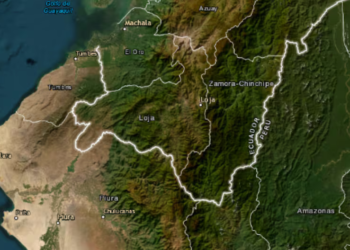
More than two decades after the process began, marked inequalities persist in connectivity, sanitation, electricity, education and health. Water reflects this urgency: in 12 regions, less than half of homes receive 24-hour service and, in 13, less than 20% of the population has access to water with adequate levels of chlorine. The problem responds mainly to the weak management of the EPS, since 76% do not bill for at least 30% of the water produced. The next government must strengthen the management capacity of the responsible entities, and promote private participation to guarantee quality services.
Strengthen prevention and emergency response capacity
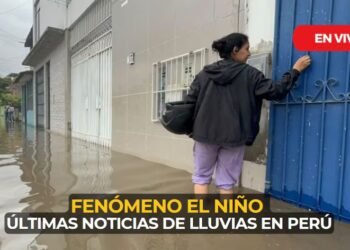
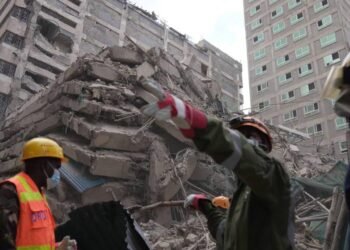
Peru is vulnerable to next summer’s FEN and other natural disasters. Six out of 10 urban homes were built informally and only 13.8% had technical assistance. Furthermore, 48.4% of educational facilities are at risk of collapse. Furthermore, it lacks an adequate response: by 2024, 69.5% of public entities did not have an approved and current disaster risk prevention plan. It is necessary to order urban expansion, prioritize the rehabilitation and replacement of schools, reinforce or relocate critical public infrastructure, and update prevention plans to reduce human losses and reconstruction costs.