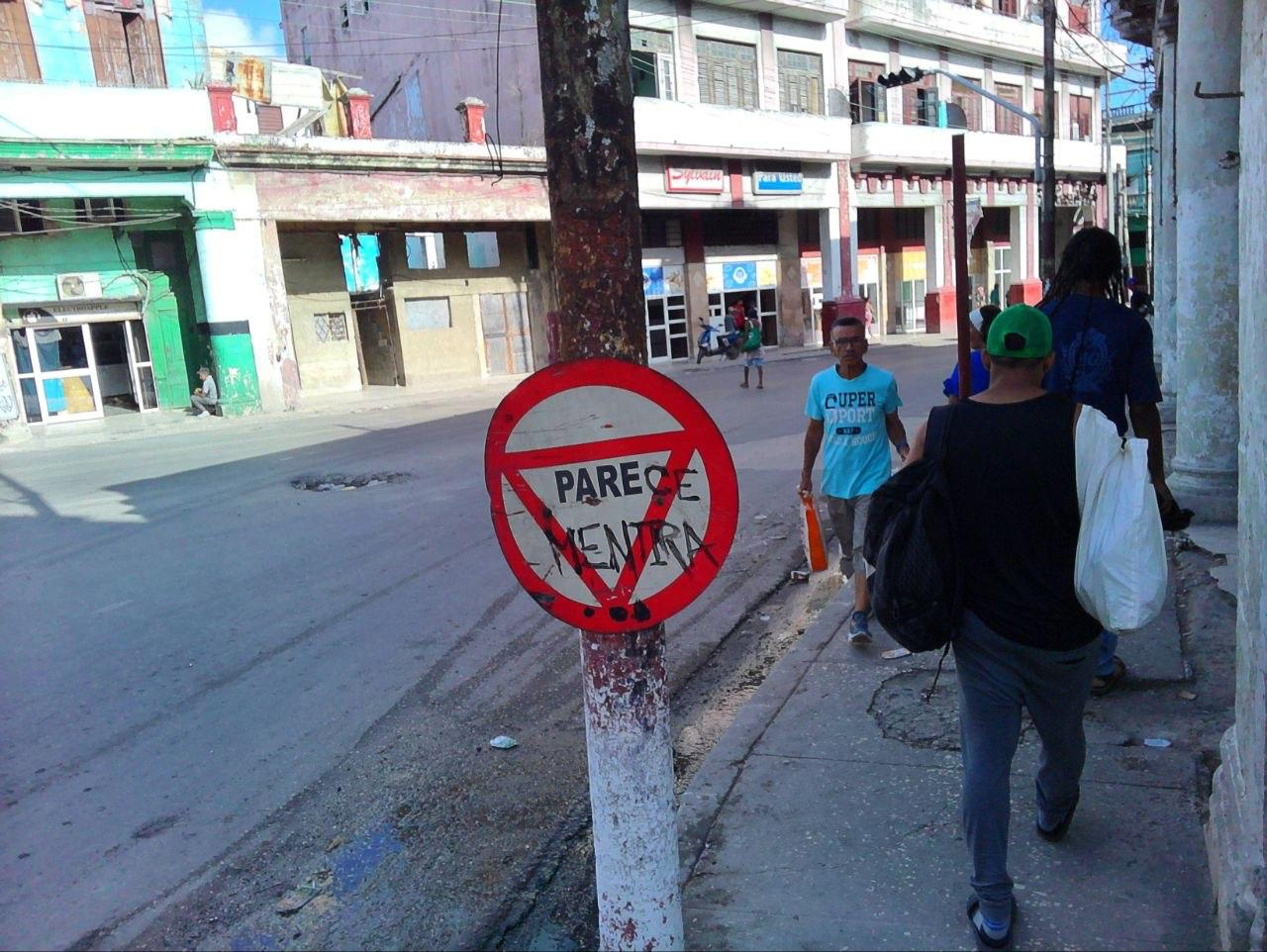
Havana/Miguel Díaz-Canel wanted to get philosophical. In one recent interview He spoke about utopia and tried to repeat a phrase popularized by Eduardo Galeano, which he could not even quote correctly. He said that “utopia is on the horizon. When we take two steps, utopia takes two steps back. And the horizon moves forward ten steps.” A strange mix that ended up sounding more absurd than inspiring.
And yet, perhaps the most telling thing is not that he confused the quote. What is truly revealing is that, after almost seven decades of this regime, the country’s top leader continues to offer us a utopia instead of a reality.
Honestly, I’m already tired of utopias.
Not because I have stopped believing in a better country. On the contrary. Precisely because I want a better nation, I refuse to continue living within a dream that belongs to others.
We inhabit a utopia that is not ours. Some who do not even suffer from it try to convince us, from a distance, that we should keep it intact
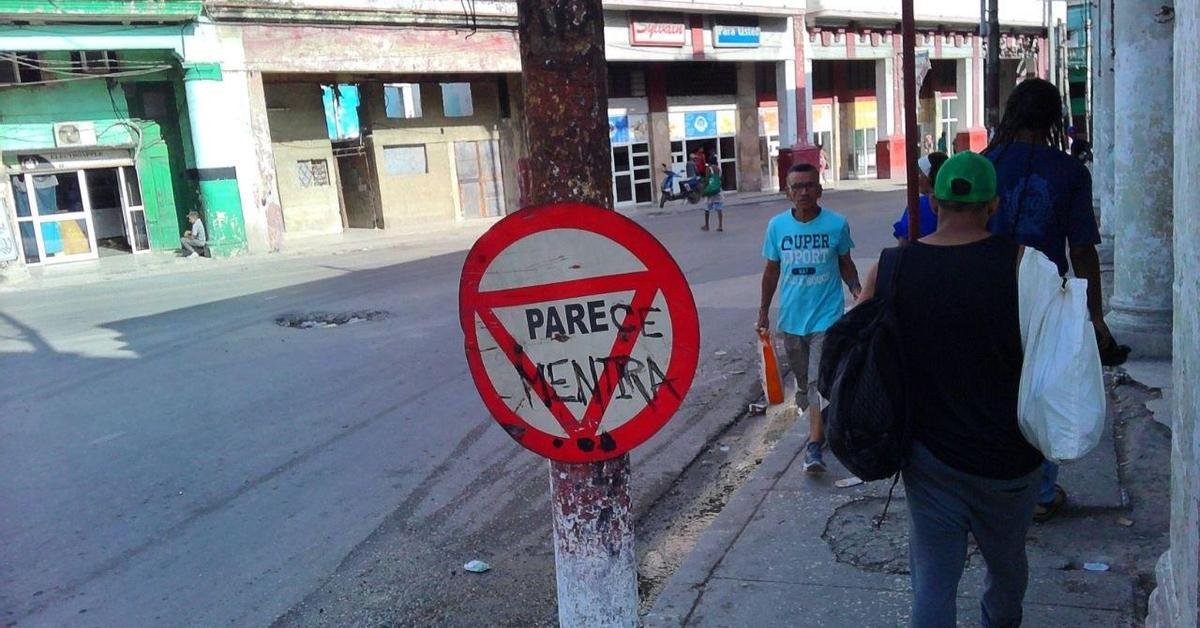
We inhabit a utopia that is not ours. Some who do not even suffer from it try to convince us, from a geographical distance, from an office or from the comfort of their privileges, that we should keep it intact. They ask us for resistance, sacrifice and faith. But they are not the ones who spend entire nights without electricity, who have to walk kilometers because there is no public transportation or who must even carry antibiotics when a family member is admitted to a hospital. They are not the ones who have to decide between buying medicine or putting a plate of food on the table.
It is deeply alienating to live within another person’s illusion. Carrying for a lifetime the weight of a dream that we never chose. Nobody asked us Cubans if we wanted to dedicate our existence to building that utopia. Nobody asked us if we were willing to exchange our youth for promises, our maturity for slogans, and our old age for speeches in which it is always explained to us that the future will be better.
That future has been coming for almost seventy years.
And it never comes.
Because the difference between a utopia and a public policy is enormous. A public policy must produce results, it must ensure that there is food, transportation, electricity, decent wages, functioning hospitals and schools where teachers do not leave the classrooms. A utopia, on the other hand, always finds an excuse to postpone itself. There is always one more effort left, you always have to resist a little more, you always have to walk another stretch.
But while we walk behind that unattainable horizon, reality does exactly the opposite: it recedes. The electrical system regresses, transportation declines and agriculture shrinks. Hospitals are retreating. The population is retreating, leaving the country by the hundreds of thousands. Even hope recedes.
Utopia can no longer be the argument to justify the permanent failure of a model. Because it is one thing to walk towards an ideal and quite another to use that ideal to explain why the most basic objectives are never achieved.
We do not want to be governed by improvised philosophers. We want people who can ensure that there is water in the pipes, electricity when night falls, and food that can be paid for with a salary. We want to live in a country where the horizon is not to emigrate.
To those who imposed this mirage on us, without consulting us, we should say something very simple: we do not want to live chasing what does not exist, what will never exist.