Never since the 1970s have the representatives of Norwegian gas production on the west coast of the country instigated so many exercises aimed at foreign and hostile forces going after the Norwegians’ main hobby in every way since the 1970s – oil and gas production in the North Sea – and it is going badly.
“This has become a new reality, constantly looking at safety issues,” says Kristin Kinn Kaste, director of gas plant Gassco, to the Norwegian state broadcaster NRK, whose company has been sending gas to the European market for 25 years, where the product of Norwegian resources supplies millions with gas for home heating, cooking and other necessities of life.
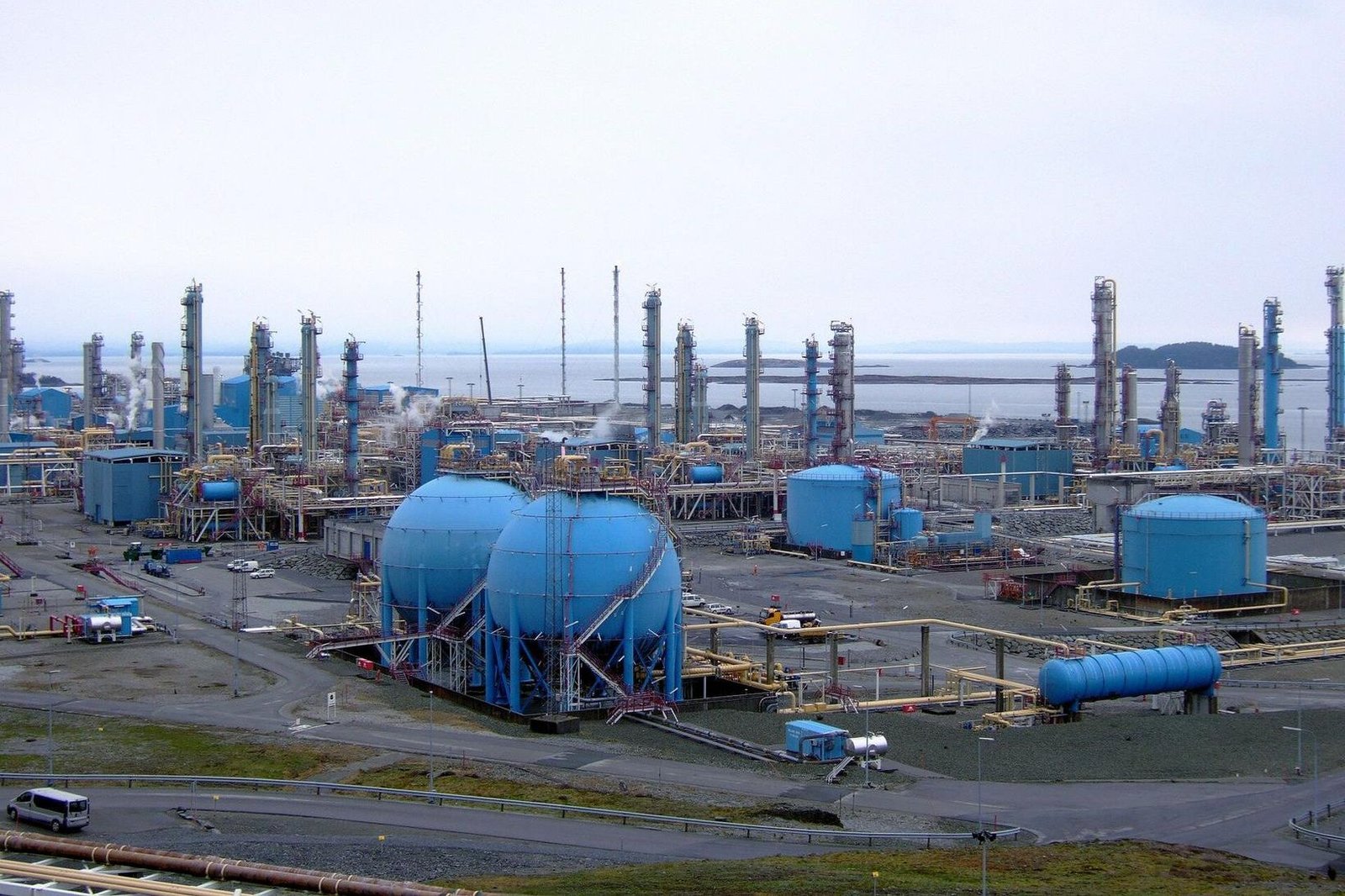
The gas plant in Kthe year is hið the largest in Norway and the whole of Europe. Including contractors, 1,500 people work there, most of them employees of the Norwegian oil and gas giant Equinor, formerly Statoil. In Europe, 18.5 million households use gas from Kårstø which transports a quarter of Norwegian gas production to the market on the continent.
More training with external threats in mind
Norway transports and sells 30 percent of all gas used in Europe as the uncertainty of military conflict hangs over Europe like a dark cloud.
Kaste says her staff has always held exercises related to security issues, but now they practice more with external threats and vandalism in mind, and the exercises are both about concrete actions and cyber attacks.
NRK reporters are required to hand over all mobile phones and other digital equipment apart from cameras and audio recorders, which are carefully examined during their visit to Gassco, but security matters there are covered by the National Security Act, Lov om nassional sikurit, where the Norwegian sale of gas to European countries is classified as a matter of national security.

Energy Minister Terje Aasland says the Norwegian gas plants are the government’s top priority when it comes to safety.
Photograph/Wikipedia.org/Kilian Munch
Most likely targets related to support for Ukraine
When asked, Kaste says that his main fear is of attacks by a foreign military power. “We constantly work with that aspect of our security work. It is something that is about us being ready to deal with acts of sabotage,” she tells NRK, and among other things, the annual report of the Norwegian security police PST on the threat assessment for Norway in 2026 is taken into account, where it is established that Russian forces could consider themselves to profit from committing acts of sabotage in Norway in 2026.
“The most likely targets there are related to our support for Ukraine, but we point out in our assessment that there is a risk of attacks on private infrastructure,” PST information officer Eirik Veum tells NRK.
“Norwegian gas processing plants are part of the Norwegian infrastructure. Often the parties who are bought for such works (n. proxyaktørre) carry out sabotage and disruption activities,” says Veum further.
Government’s top priority
Energy Minister Terje Aasland says the safety of Norwegian gas plants is the highest priority for the government. “The latest PST report says that the rest of the world is now less safe than before. It is necessary that the business world takes it seriously,” says the minister, justifying his case by the fact that Norwegian gas is vital for many people in Europe.
“This entails a lot of responsibility, and it is crucial that the employees of gas plants feel safe in their work,” says Aasland.
NRK-II (police chief wants the business world to take more responsibility)
Adresseavisen (new gas well outside Þrændal law worth billions)
PST Threat Assessment Report for 2026