Monday, May 4, 2026
    The GeoStrategic Consensus
    No Result
    View All Result
    • Login
    • HOME
    • AMERICAS
      • Argentina
      • Brazil
      • Canada
      • Chile
      • Colombia
      • Costa Rica
      • Cuba
      • Dominican Republic
      • Ecuador
      • El Salvador
      • Greenland
      • Guatemala
      • Honduras
      • Mexico
      • Nicaragua
      • Panama
      • Paraguay
      • Peru
      • United States
      • Uruguay
      • Venezuela
    • ASIA-PACIFIC
      • Australia
      • Brunei Darussalam
      • Cambodia
      • China
      • Federated States of Micronesia
      • Fiji
      • Indonesia
      • Japan
      • Kiribati
      • Laos
      • Malaysia
      • Marshall Islands
      • Mongolia
      • Myanmar
      • Nauru
      • New Zealand
      • North Korea
      • Palau
      • Papua New Guinea
      • Philippines
      • Samoa
      • Singapore
      • Solomon Islands
      • South Korea
      • Taiwan
      • Thailand
      • Timor-Leste
      • Tonga
      • Tuvalu
      • Vanuatu
      • Vietnam
    • CARICOM
      • CARICOM – Non-English
        • Haiti
        • Suriname
      • CARICOM Associates
        • Anguilla
        • Bermuda
        • British-Virgin-Islands
        • Cayman-Islands
        • Curacao
        • Turks-and-Caicos
      • CARICOM English
        • Antigua and Barbuda
        • Barbados
        • Belize
        • Dominica
        • Grenada
        • Guyana
        • Jamaica
        • Montserrat
        • Saint Kitts and Nevis
        • Saint Lucia
        • Saint Vincent and the Grenadines
        • The Bahamas
        • Trinidad and Tobago
    • EURASIA
      • Armenia
      • Azerbaijan
      • Balarus
      • Georgia
      • Kazakhstan
      • Kyrgyzstan
      • Moldova
      • Russia
      • Tajikistan
      • Turkmenistan
      • Ukraine
      • Uzbekistan
    • EUROPE
      • Albania
      • Andorra
      • Austria
      • Bosnia and Herzegovina
      • Bulgaria
      • Croatia
      • Cyprus
      • Czech Republic
      • Denmark
      • Estonia
      • Finland
      • France
      • Germany
      • Greece
      • Holy See
      • Hungary
      • Iceland
      • Ireland
      • Italy
      • Kosovo
      • Latvia
      • Liechtenstein
      • Lithuania
      • Luxembourg
      • Malta
      • Monaco
      • Montenegro
      • Netherlands
      • North Macedonia
      • Norway
      • Poland
      • Portugal
      • Romania
      • San Marino
      • Serbia
      • Slovakia
      • Slovenia
      • Spain
      • Sweden
      • Switzerland
      • United Kingdom
    • MIDDLE EAST AND NORTH AFRICA
      • Algeria
      • Bahrain
      • Egypt
      • Iran
      • Iraq
      • Israel
      • Jordan
      • Kuwait
      • Lebanon
      • Lybia
      • Morocco
      • Oman
      • Palestinian Territories
      • Qatar
      • Saudi Arabia
      • Syria
      • Tunisia
      • Turkey
      • United Arab Emirates
      • Western Sahara
      • Yemen
    • SOUTH ASIA
      • Afghanistan
      • Bangladesh
      • Bhutan
      • India
      • Maldives
      • Nepal
      • Pakistan
      • Sri Lanka
    • SUB-SAHARAN AFRICA
      • Angola
      • Benin
      • Botswana
      • Burkina Faso
      • Burundi
      • Cabo Verde
      • Cameroon
      • Central African Republic
      • Chad
      • Comoros
      • Cote d’Ivoire
      • Democratic Republic of the Congo
      • Djibouti
      • Equatorial Guinea
      • Eritrea
      • Eswatini
      • Ethiopia
      • Gabon
      • Gambia
      • Ghana
      • Guinea
      • Guinea Bissau
      • Kenya
      • Lesotho
      • Liberia
      • Madagascar
      • Malawi
      • Mali
      • Mauritania
      • Mauritius
      • Mozambique
      • Namibia
      • Niger
      • Nigeria
      • Republic of the Congo
      • Rwanda
      • Sao Tome and Principe
      • Senegal
      • Seychelles
      • Sierra Leone
      • Somalia
      • South Africa
      • South Sudan
      • Sudan
      • Tanzania
      • Togo
      • Uganda
      • Zambia
      • Zimbabwe
    • HOME
    • AMERICAS
      • Argentina
      • Brazil
      • Canada
      • Chile
      • Colombia
      • Costa Rica
      • Cuba
      • Dominican Republic
      • Ecuador
      • El Salvador
      • Greenland
      • Guatemala
      • Honduras
      • Mexico
      • Nicaragua
      • Panama
      • Paraguay
      • Peru
      • United States
      • Uruguay
      • Venezuela
    • ASIA-PACIFIC
      • Australia
      • Brunei Darussalam
      • Cambodia
      • China
      • Federated States of Micronesia
      • Fiji
      • Indonesia
      • Japan
      • Kiribati
      • Laos
      • Malaysia
      • Marshall Islands
      • Mongolia
      • Myanmar
      • Nauru
      • New Zealand
      • North Korea
      • Palau
      • Papua New Guinea
      • Philippines
      • Samoa
      • Singapore
      • Solomon Islands
      • South Korea
      • Taiwan
      • Thailand
      • Timor-Leste
      • Tonga
      • Tuvalu
      • Vanuatu
      • Vietnam
    • CARICOM
      • CARICOM – Non-English
        • Haiti
        • Suriname
      • CARICOM Associates
        • Anguilla
        • Bermuda
        • British-Virgin-Islands
        • Cayman-Islands
        • Curacao
        • Turks-and-Caicos
      • CARICOM English
        • Antigua and Barbuda
        • Barbados
        • Belize
        • Dominica
        • Grenada
        • Guyana
        • Jamaica
        • Montserrat
        • Saint Kitts and Nevis
        • Saint Lucia
        • Saint Vincent and the Grenadines
        • The Bahamas
        • Trinidad and Tobago
    • EURASIA
      • Armenia
      • Azerbaijan
      • Balarus
      • Georgia
      • Kazakhstan
      • Kyrgyzstan
      • Moldova
      • Russia
      • Tajikistan
      • Turkmenistan
      • Ukraine
      • Uzbekistan
    • EUROPE
      • Albania
      • Andorra
      • Austria
      • Bosnia and Herzegovina
      • Bulgaria
      • Croatia
      • Cyprus
      • Czech Republic
      • Denmark
      • Estonia
      • Finland
      • France
      • Germany
      • Greece
      • Holy See
      • Hungary
      • Iceland
      • Ireland
      • Italy
      • Kosovo
      • Latvia
      • Liechtenstein
      • Lithuania
      • Luxembourg
      • Malta
      • Monaco
      • Montenegro
      • Netherlands
      • North Macedonia
      • Norway
      • Poland
      • Portugal
      • Romania
      • San Marino
      • Serbia
      • Slovakia
      • Slovenia
      • Spain
      • Sweden
      • Switzerland
      • United Kingdom
    • MIDDLE EAST AND NORTH AFRICA
      • Algeria
      • Bahrain
      • Egypt
      • Iran
      • Iraq
      • Israel
      • Jordan
      • Kuwait
      • Lebanon
      • Lybia
      • Morocco
      • Oman
      • Palestinian Territories
      • Qatar
      • Saudi Arabia
      • Syria
      • Tunisia
      • Turkey
      • United Arab Emirates
      • Western Sahara
      • Yemen
    • SOUTH ASIA
      • Afghanistan
      • Bangladesh
      • Bhutan
      • India
      • Maldives
      • Nepal
      • Pakistan
      • Sri Lanka
    • SUB-SAHARAN AFRICA
      • Angola
      • Benin
      • Botswana
      • Burkina Faso
      • Burundi
      • Cabo Verde
      • Cameroon
      • Central African Republic
      • Chad
      • Comoros
      • Cote d’Ivoire
      • Democratic Republic of the Congo
      • Djibouti
      • Equatorial Guinea
      • Eritrea
      • Eswatini
      • Ethiopia
      • Gabon
      • Gambia
      • Ghana
      • Guinea
      • Guinea Bissau
      • Kenya
      • Lesotho
      • Liberia
      • Madagascar
      • Malawi
      • Mali
      • Mauritania
      • Mauritius
      • Mozambique
      • Namibia
      • Niger
      • Nigeria
      • Republic of the Congo
      • Rwanda
      • Sao Tome and Principe
      • Senegal
      • Seychelles
      • Sierra Leone
      • Somalia
      • South Africa
      • South Sudan
      • Sudan
      • Tanzania
      • Togo
      • Uganda
      • Zambia
      • Zimbabwe
    No Result
    View All Result
    Agentially
    No Result
    View All Result
    Home MIDDLE EAST and NORTH AFRICA Israel

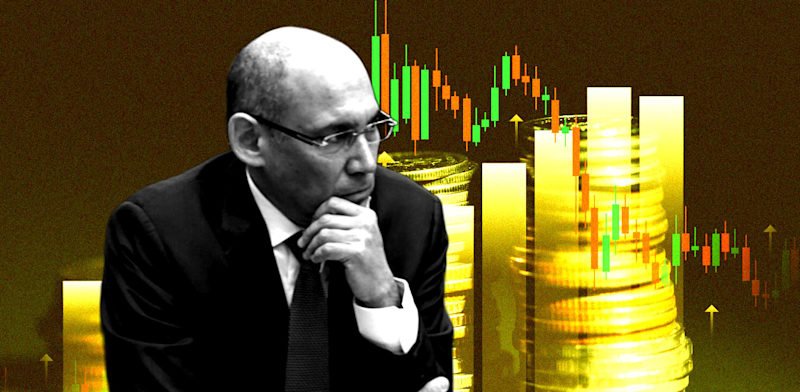
    The institutions sold a record number of dollars and the shekel jumped. This is how the mechanism worked

    The Analyst by The Analyst
    May 4, 2026
    in Israel
    The institutions sold a record number of dollars and the shekel jumped. This is how the mechanism worked


    The dollar exchange rate does not stop, and since it crossed the NIS 3 level about a month ago – the trend only continues. As of the end of trading at the end of the week, its price was just under NIS 2.94, which leads us to the bottom line: the foreign exchange market is a very deep market that is influenced by many factors, both global and local.

    READ ALSO

    First Bnei Menashe flight lands as Israel launches operation to complete communi

    Should Israel’s prime ministers disclose their health status?

    On the global side, we can mention, among others, the strength of the dollar against the world’s basket of currencies, energy prices, the policy of the US central bank (the Federal Reserve) and the sentiment in the stock indices on Wall Street. In the local sector, the weight shifts to the activities of the Bank of Israel, the level of interest in the economy, the balance of payments and political stability.

    ● Customers are leaving at an enormous rate: will Altshuler lose its place in the market?
    ● The indicator that teaches: these are the most expensive stocks in the stock market. And where are the opportunities?
    ● The amazing April in Camel: the route that overtook everyone and those that almost broke a 15-year record

    Alongside all of this, there is a particularly influential factor, which is the activity of the institutional bodies in Israel. These are entities that receive about NIS 200 billion to manage each year, and every small change they make in a portfolio changes world order in the markets.

    The institutions changed their perception and reduced exposure to foreign exchange

    In a way, it seems that all the stars have now aligned with the strengthening of the shekel. Israel’s risk premium is falling, the world dollar is weakening, US stock indexes are breaking records and the interest rate cut in Israel is “stuck”. In such a situation, it is difficult to find an element that now supports the opposite direction. However, in the market, they claim that the institutions have a particularly central weight in the abnormal inflation trend. In recent days, we have seen that even when Wall Street indices fell and oil prices soared, the shekel continued to strengthen, disconnected from the historical pattern.

    According to Bank of Israel data, in the second half of 2025 the institutions sold an astronomical amount of over 23 billion dollars – a figure that is an all-time record for one half. For comparison, these are foreign exchange sales worth about 3.5% of Israel’s GDP.

    Although there are still no official data regarding the beginning of 2026, the market estimates that this activity continues in full force. What is behind this unprecedented wave of sales is a change in the perception of institutional and retail investors for the long term. When you look at the 2025 data, you see that almost all entities have reduced their exposure to foreign exchange in their investment portfolios.

    Examining the data of the general track in the training funds shows that in Altshuler Shaham the exposure was reduced from 22.5% in 2024 to 17.3%, in Harel there was a decrease from 22.3% to 17.6% and in Mor the exposure was cut from 26.5% to 19.2%. The only body that has maintained a similar level is Menorah Mivathim. At the same time, they do not necessarily reduce their exposure abroad, since the Israeli market cannot contain the amounts of money they manage. Meaning: they are forced to hedge. As of today, it is estimated that the institutional bodies are hedging about 90 billion dollars.

    These transactions are carried out in part with large international banks which in practice, for a fee, increase their shekel position within the scope of the hedged portfolio. Simply put, what they are doing is a massive purchase of shekels and a sale of dollars, which continues to support the appreciation trend. The institutional bodies, for their part, benefit from protection against abnormal fluctuations in the currency and stick to the local shekel.

    Alongside the hedging, there is an almost automatic mechanism that affects the activity of the institutions – the behavior of the markets overseas. According to Modi Shafferer, Chief Financial Markets Strategist at Bank Hapoalim, “As markets abroad rise, the value of their dollar assets rises, so they come and sell foreign exchange – because they don’t want to increase their net exposure,” he explains. This is how a daily correlation is created between world trade trends and the exchange rate of the dollar to the shekel.

    However, the sharp swing of the institutionalists is not without criticism. The main one is the power of the institutions, which, as the data shows, simultaneously reduced the rate of exposure abroad and incidentally helped the strengthening of the shekel. As of today, there are no restrictions on the activity of the institutions and they are sovereign in determining the levels of exposure to foreign currency.

    The market estimates: the regulator will not intervene

    The authority responsible for the supervision of the institutional bodies is the Capital Market, Insurance and Savings Authority, headed by Commissioner Amit Gal. At least now, the assumption is that the Authority will not intervene and will not impose new restrictions on the entities in the field of foreign exchange. The market believes that this type of intervention could open the door to unnecessary regulation that would burden the freedom of action of investment managers and the freedom of choice of savers – who can currently choose a variety of routes, including S&P 500 routes with full exposure to foreign exchange.

    Beyond that, one can ask whether such intervention and establishing strict investment rules will not be harmful in the end. Because in reality, people retire, sometimes switch between investment paths, and in Israel the public even benefits from the fact that when the world turns and markets fall, the damage to savers is reduced when the dollar jumps against the shekel. Institutional intervention or limitation could lead to the fact that in all these cases the savers would be harmed.

    An interesting and unusual claim comes from another interesting direction. Despite the current trend, the basic activity over the years of the institutional bodies actually contributes to the demand for the dollar. While up until about two decades ago most investments were concentrated in the local market, the very act of taking capital abroad structurally weakens the shekel, even if the institutions change their hedging rate from time to time.

    In the end, what determines the strengthening of the shekel is the surplus in Israel’s current account (excess of exports over imports), following the high-tech that is the engine of the economy and also the export of gas. This has been going on for more than two decades and the assumption is that as long as this strong force continues, the shekel will continue to strengthen.

    The industrialists are asking for compensation for the affected businesses

    More than 50% of Israeli industry is export-oriented, according to the Association of Manufacturers. There they complain that the decline of the dollar over time creates a difficult “pincer movement” for the industry: the dollar receipts are reduced while the shekel inputs – wages, water, property taxes, electricity – actually become more expensive. “Exporters who were profitable in the past are moving to the red line and are forced to make difficult decisions,” says the president of the manufacturers’ association, Avraham (Novo) Novogrutsky, “stopping production of products, closing production lines, or diverting investments to sites outside of Israel.”

    The empirical data illustrates the gap: in the last quarter compared to the corresponding quarter, dollar exports increased by about 2%, but when measured in shekels, the currency in which the companies’ reports are prepared, it is a drop of about 12%. When you add to that the Trump tariffs in the US, the gap deepens.

    Novogrotsky presents three main requests from the policymakers to stabilize the dollar exchange rate: First, a half percent interest rate cut by the Bank of Israel. Second, the purchase of dollars by the Bank of Israel, or at least a clear signal to the market about a willingness to purchase at certain rates.

    Beyond that, he attacks “the Ministry of Finance’s standing on the sidelines” and calls for a substantial increase in the support budgets for investments in equipment and machinery, similar to what is done in the US and Europe. He warns against the loss of tax revenues and salaries. He also notes harm to manufacturers who also produce for the local market, since imports of competing products from abroad will decrease. However, it should be remembered that the manufacturers also import raw materials, the cost of which decreases with the strengthening of the shekel.

    The Bank of Israel may add pressure on the dollar exchange rate

    One of the most important players in the foreign exchange market is the Bank of Israel. Despite the high foreign exchange reserves in its possession, 228 billion dollars, it is not expected to use this tool except in exceptional cases. The last time we saw such a significant intervention was after the outbreak of war on October 7.

    The second tool at his disposal, which he is more likely to use, is interest rate reduction. After two consecutive downgrades in December and January, the central bank stopped. The main reason: geopolitical tensions and uncertainty.

    Sources in the foreign exchange market explain that as long as the Bank of Israel does not return to the outline of reductions soon, it is likely that the downward pressure on the dollar will continue. At a conference of the Aharon Institute held last week, Governor Prof. Amir Yaron said that in a scenario where the intense fighting in Iran is over, one or two reductions would be possible, but emphasized that this depends on geopolitical developments. The market is now pricing in two interest rate reductions in the coming year – so that it stands at 3.5%.

    In addition to this, the Bank of Israel signaled that harming exporters is secondary in their basket of considerations when it comes to intervention in the foreign exchange market. That is, as long as inflation is within the target of the central bank (1%-3%), the economy grows and the financial system remains sound.

    For your attention: The Globes system strives for a diverse, relevant and respectful discourse in accordance with
    code of ethics
    appearing
    in the trust report
    according to which we act. Expressions of violence, racism, incitement or any other inappropriate discourse are filtered out automatically and will not be published on the website.



    Source link

    Related Posts

    First Bnei Menashe flight lands as Israel launches operation to complete communi
    Israel

    First Bnei Menashe flight lands as Israel launches operation to complete communi

    May 4, 2026
    Should Israel’s prime ministers disclose their health status?
    Israel

    Should Israel’s prime ministers disclose their health status?

    May 4, 2026
    Ami Ashad saluted Bennett’s post – and Likud turned to Solberg: "Election propaganda is prohibited"
    Israel

    Ami Ashad saluted Bennett’s post – and Likud turned to Solberg: "Election propaganda is prohibited"

    May 4, 2026
    Google signs US defense deal to deploy AI on classified systems
    Israel

    Google signs US defense deal to deploy AI on classified systems

    May 4, 2026
    Foreign Minister Hokelt admits that there will be no annexation of Bio"that: "Contrary to Trump’s path"
    Israel

    Foreign Minister Hokelt admits that there will be no annexation of Bio"that: "Contrary to Trump’s path"

    May 4, 2026
    Iran claims to have attacked an American ship, the US denies
    Israel

    Iran claims to have attacked an American ship, the US denies

    May 4, 2026
    Next Post
    First Bnei Menashe flight lands as Israel launches operation to complete communi

    First Bnei Menashe flight lands as Israel launches operation to complete communi

    POPULAR NEWS

    Justin Bieber fans flood Coachella festival for headlining show – Entertainment

    Justin Bieber fans flood Coachella festival for headlining show – Entertainment

    April 20, 2026

    Over 600 flee homes as Army, NPA clash in Negros Occidental

    April 21, 2026

    Ex-DPWH exec recalls P800-M ‘delivery’ to Zaldy Co 

    April 20, 2026

    Former PM Paluckas suspends party membership, to waive immunity over criminal probe

    April 24, 2026
    Pres. Ali challenges CARICOM to transform into health research powerhouse

    Pres. Ali challenges CARICOM to transform into health research powerhouse

    April 23, 2026

    EDITOR'S PICK

    Fixing urgent foundations issues to cost €11b but many can’t pay

    Fixing urgent foundations issues to cost €11b but many can’t pay

    April 28, 2026
    Trump vows to hit Iran’s ships as deadlines passes for US blockade of Strait of Hormuz

    Trump vows to hit Iran’s ships as deadlines passes for US blockade of Strait of Hormuz

    April 16, 2026
    Guyanese hold ‘Thank You Walk’ for Cuban Medical Brigade

    Guyanese hold ‘Thank You Walk’ for Cuban Medical Brigade

    April 16, 2026
    Finland endorses UK, France statement on Strait of Hormuz | Yle News

    Finland endorses UK, France statement on Strait of Hormuz | Yle News

    April 25, 2026

    Recent Posts

    • Healthy mother plans to end life in Swiss clinic after her only child accidentally choked to death
    • Who paid for the VIP area of ​​Kariņa’s daughter’s airport?
    • (3)
    • A painting attributed to the Baroque genius, valued at tens of millions of euros, was brought to Lithuania with armed guard Culture

      © 2026 Agentially - Navigating shifting sovereignties and global risk .

      Welcome Back!

      Login to your account below

      Forgotten Password?

      Retrieve your password

      Please enter your username or email address to reset your password.

      Log In
      No Result
      View All Result

        © 2026 Agentially - Navigating shifting sovereignties and global risk .

        This website uses cookies. By continuing to use this website you are giving consent to cookies being used. Visit our Privacy and Cookie Policy.