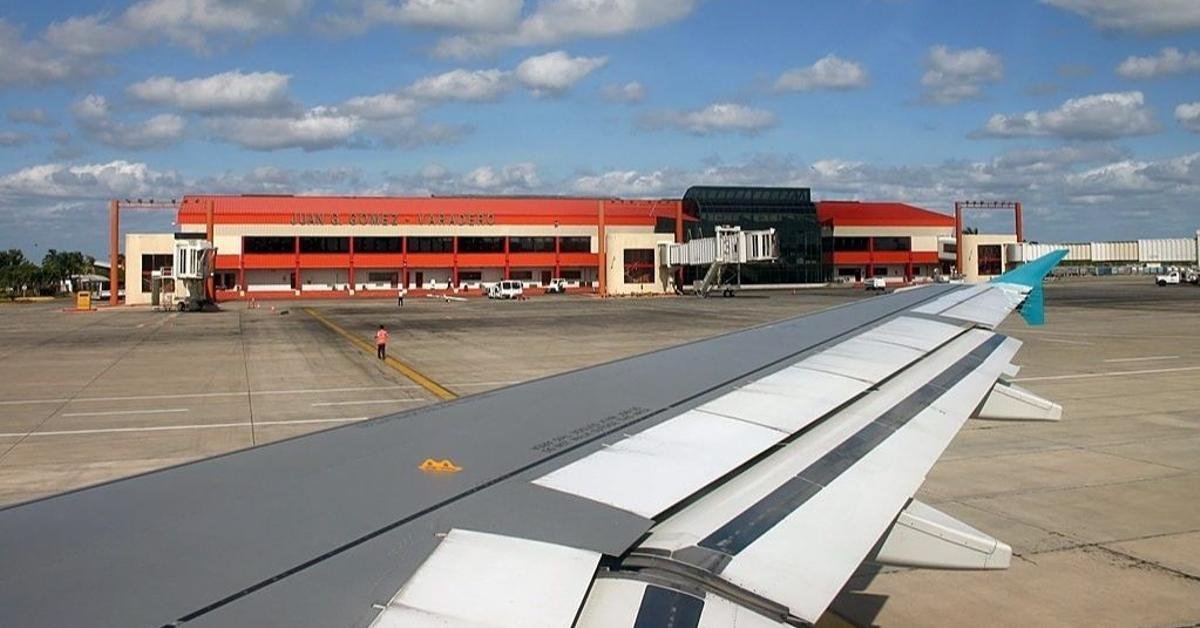
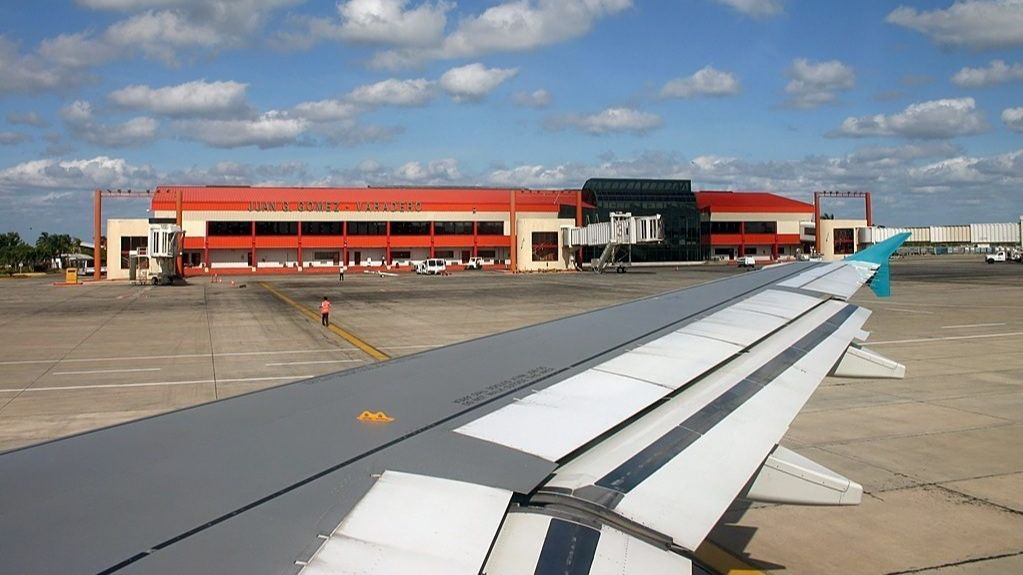
Havana/The Cuban State is willing to rent the infrastructure that private entrepreneurs need to import fuel, but without giving up control of access, facilities and services essential to receive it. The Juan Gualberto Gómez International Airport, in Varadero, has put out to tender four tanks with a combined capacity of 170,000 liters, in the midst of the serious energy shortage and the difficulties of MSMEs to operate outside of state companies.
The call was published this Wednesday by the Varadero Airport Base Business Unit, belonging to the Cuban Airports and Airport Services Company. The entity offers in a single block two tanks of 50 cubic meters and another two of 35, located in the fuel base of the terminal and on a total area of 215.8 square meters.
The established price is 1,224 pesos per month per square meter, for a total cost of 264,139.20 pesos. At the informal exchange rate this Friday, the sum is equivalent to about 400 dollars, although the successful bidder must also pay the expenses associated with the operation of the deposits, security and ordinary maintenance.
Interested parties have 15 calendar days from the publication of the announcement and may submit their offers until July 10. The envelopes will be opened four days later, before a notary, at the company headquarters. Among the required documents are the applicant’s legal details, a letter of application, the project budget, a description of the planned activity and a certificate from the National Tax Administration Office proving that he or she has no debts.
The 170,000 liters are equivalent to about eight isotanks currently used to send fuel to the Island, with just over 20,000 liters each.
The call does not clarify whether the winner will be authorized to sell the stored product or must use it exclusively for his own operations. The tanks could be useful for companies with fleets of vehicles, industries, shops or businesses dependent on generating sets, but nothing in the specifications allows us to ensure that this will be their destination.
The 170,000 liters are equivalent to about eight isotanks currently used to send fuel to the Island, with just over 20,000 liters each, in an expensive and inefficient process that requires the containers to be transported, emptied and returned to be reloaded.
The first private operations began after Donald Trump’s Administration clarified in February that certain fuel exports could be used for non-state economic activities or sold directly to individuals for personal and family use. The policy aims to favor the private sector without the product ending up in the hands of the Cuban Government or its military companies.
The chain, however, is far from private. The businessman provides the foreign currency and assumes the risk of the purchase, but needs an authorized importer, a port, warehouses, customs controls, tanker trucks and, in many cases, fuel dispensers to supply the vehicles. All these links remain in state hands.
The problem was exposed with the frustrated project from Vanguard Energy. The Coral Gables company announced at the beginning of June that it had signed a contract with a Cuban import agency to store gasoline and diesel in facilities of the state-run Cuba-Petroleum Union, Cupet.
Vanguard intended to replace small containers with ships with more than 250,000 barrels and make a shipment every month or every 40 days. The company would retain ownership of the fuel and sell it exclusively to pre-vetted customers, including private businesses and humanitarian organizations.
The contract obliges the successful bidder to maintain the tanks, pay invoices within 30 days, undertake minor repairs and be liable for damages.
The operation was paralyzed when the State Department clarified that Vanguard had not received authorization for a deal involving Cuban state facilities. The obstacle became even greater on June 11, when Washington directly sanctioned Cupetfroze its eventual assets under US jurisdiction and prohibited US citizens and companies from carrying out transactions with the state oil company without a license.
The Varadero tender does not mention Cupet or establish any relationship with Vanguard. It does show that Ecasa has warehouses that it can rent to operators in need of space, while charging for the infrastructure and maintaining control over a facility located within an international airport.
The contract obliges the successful bidder to maintain the tanks, pay invoices within 30 days, undertake minor repairs and be liable for damages. You will not be able to assign or sublease the space and all your workers will have to be accredited with the airport authorities.
A clause also conditions the lease on the “restart of airport operations,” although the Juan Gualberto Gómez continues to receive flights. The expression could refer to the fuel base or to an activity currently suspended, but Ecasa does not explain it or report the duration of the contract.
The offer appears after months of restrictions on the supply of kerosene at Cuban airports, which forced several international airlines to cancel routes, reduce frequencies or schedule stops in other countries to refuel.
More than four tanks in search of an occupant, the tender portrays the model that is configured around private fuel. Businessmen can pay for it and import it, but the State retains the entry gates, controls and much of the infrastructure necessary to store and distribute it.