The Asia Plus YouTube channel is a place where Tajikistan watches, discusses and shares. More than 360 thousand subscribers, over 176 million views for all time and about 10 million every month.
And behind each of these numbers there is a living viewer: he does not just scroll through the feed, but comments on the videos, forwards them to friends and returns for new episodes. A brand that comes here receives not indifferent impressions, but real attention.
How strong this attention is is best shown by the releases themselves. Video about a boy from Tajikistan, performing at Central Asia Got Talent — the media partner of the show was Asia-Plus — collected more than 4.3 million views. New video for the song “I Met a Girl”filmed by our team, has been viewed over 2.7 million times. And the report about the production of traditional Tajik tandoor scored more than 1.8 million. This is the reach your brand can join.
And this attention is from the right people. The core of the audience is viewers from 25 to 44 years old: those who already earn money and decide for themselves what to spend money on. The majority are men (84.2% of views), so for brands that speak to a male audience, it’s hard to find a better platform.
And Asia-Plus easily crosses boundaries. 62% of viewers are in Tajikistan itself, another every fifth (20.7%) is among Tajiks in Russia; the channel collects the rest in Uzbekistan, the USA, European countries and other regions. This is a rare opportunity for the company: with one release to address both the audience within the country and the large diaspora abroad, where Tajiks still watch and trust their native media.
How can I integrate advertising into YouTube?
Imagine: a viewer opens his favorite episode of Asia Plus – an interview with a star, a report or a street survey – and somewhere in the frame, in the conversation of the host or in a gift for a passerby, your brand naturally appears. It does not interrupt the viewing or irritate, but becomes part of the story that the person already wanted to watch.
This is the main advantage of the channel: the brand is embedded in existing, in-demand content – where we already have a loyal audience. The viewer does not switch from “content” to “advertising”, but perceives the company as part of the release.
So, for example, (in an episode of the Varzish+ podcast, the brand’s products remained in the frame throughout the entire conversation – viewers saw it again and again, without perceiving it as an advertising break).
Integration works in all our main sections – in reports, interviews and podcasts, star radio broadcasts, street polls and expert comments. And here are the tools that the brand is integrating into these releases:

Verbal/native mention. The simplest and at the same time one of the most effective formats. In a simple version, the journalist calls the sponsor by voice at the beginning or end of the story. In native, the presenter organically weaves a story about a product or service into the middle of the conversation: briefly, on the topic of the issue, in his own words. Due to the fact that a person familiar to the viewer is talking about the brand, such a mention is read as a recommendation, and not as an advertising insert.
Screensaver. A short, dynamic 3-second animation with a brand logo before the start of the main video. This is the first thing the viewer sees – it sets the association “this issue is presented by such and such a company” even before the content begins and works for recognition.
Bumper Ad. A full-screen advertising video for the brand (about 10 seconds) at the junction of the semantic blocks of the release. Essentially, this is a mini-TV advertisement, but inside content that the viewer has already selected and is watching, so its watchability is noticeably higher than that of a regular pre-roll advertisement that you want to skip.
Branded sign (Lower Third) / creeping line. A minimalist pop-up title at the bottom of the frame, optionally with a product sticker in the corner or a ticker. Appears during the video and keeps the brand in the frame without interrupting the viewing. A universal tool: suitable even for informational and expert content, where louder formats would be inappropriate.

Passive product placement. The brand’s products are present in the frame throughout the entire issue: a logo on a laptop, a branded mug, merch or product on the table. The format works softly and almost at the subconscious level – the viewer sees the brand again and again, but does not perceive it as a separate advertising break.
Active product placement. A more involved option: the host or guest physically interacts with the product – opens the application, tries a drink, shows the product or demonstrates the service using a specific example. The viewer sees the product “in action”, and not just next to it, and this is more convincing than any description.
Studio branding. Full design of the release under the brand: logo on background screens, corporate colors in RGB backlighting, other visual elements in the decorations. The entire episode is perceived as “supported” by the company – this is the maximum depth of presence from soft formats.
Easter egg. Game mechanics: the host announces that the partner has hidden a promotional code or special sign in the episode, and invites viewers to find it and write the timecode in the comments. This not only shows the brand, but also dramatically increases engagement – people watch the video more carefully and comment more actively, which in addition helps promote the video on YouTube itself.

Sponsored question. The topic of the street survey is entirely built around the brand’s sphere – finance, cars, technology, health, etc. Here the brand becomes not a background element, but the very topic of conversation: the viewer associates the company with expertise in its field.
Gift for answer. The presenter, right in the frame, gives prizes, certificates or branded merch to passers-by on behalf of the advertiser. This gives a lively, positive association with the brand and sincere emotions of the participants in the frame.
Offline-to-Online (O2O). The mechanics of moving from the street to online: a passerby is asked to scan a QR code or press an online roulette and receive a random prize from a sponsor. We leave the same link in the description or pinned comment – and the viewer on the other side of the screen can also go and pick up the prize. The format connects street photography with real transitions and applications, and this result can be measured.
From integration to individual video projects
Integration is the presence of a brand in an issue that is released without it. But Asia-Plus can also do something else: create a separate video for the company – entirely dedicated to your product, event or story. Here, the brand does not fit into someone else’s content, but gets its own video, shot for a specific task: from a short advertising video to a full-fledged report, interview or special project.
Which format to choose depends on what you want to achieve. Somewhere you need to show an event vividly and dynamically so that the viewer feels like a participant; somewhere – to maintain a businesslike, official tone. Below are the formats from which you can assemble a video for any purpose.
Promotional videos
This is one of the key products of Asia-Plus video production. The Asia-Plus team creates gaming, image and clip videos for companies, products and services.
A professional team works on each video: an idea is thought out, a script is written, locations are selected, frames, lighting, sound and camera movement are arranged. Everything matters on a shoot, from the visual rhythm to the details in the frame.
This format is especially suitable for brands for which it is important not just to tell about themselves, but to make an impression: to be remembered, to evoke emotion, to show the character of the product and to stand out among competitors.
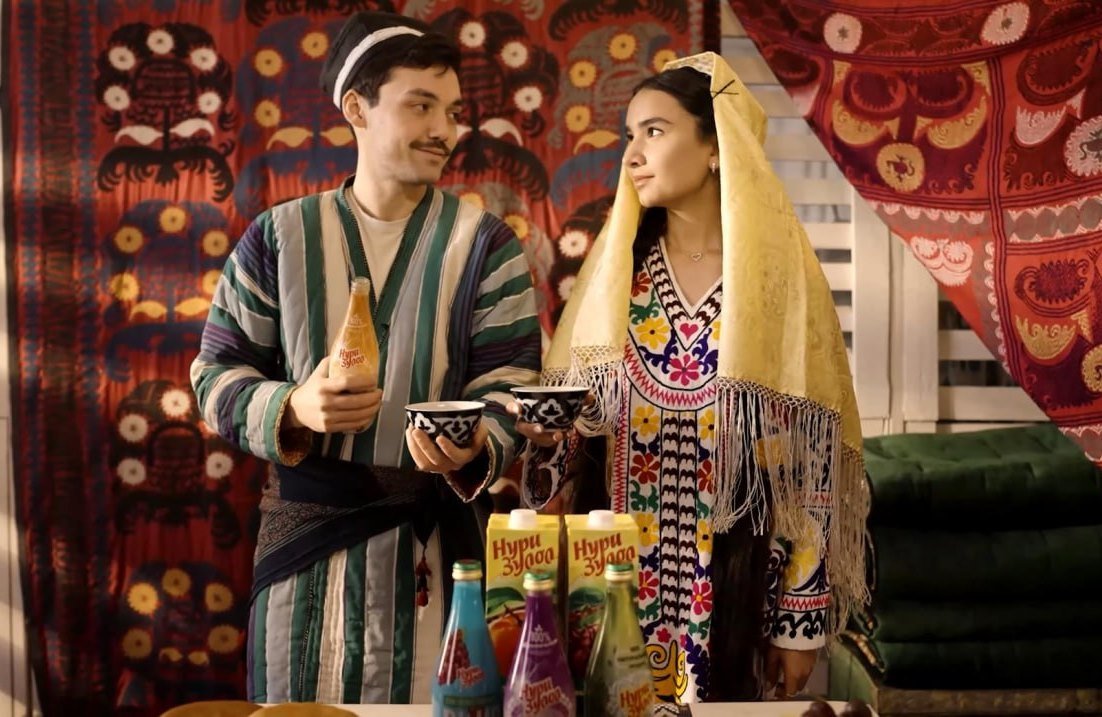
One successful example is a commercial for the Obi Zulol brand. For the Asia-Plus company I shot a dynamic and visually strong video, where the product is shown through atmosphere, movement and mood.
But why describe the video for a long time if you can watch it yourself?
You can check out other works of our team in a special playlist on the Asia-Plus YouTube channel.
“City duty officer”
When an event needs to be shown quickly, brightly and with good mood, the “City Duty” format comes to the rescue. These are dynamic trips to presentations, openings, festivals, new product launches and other events.
The journalist not only records what is happening, but conveys the atmosphere of the event through the live emotions of the participants, short interviews and dynamic editing. This approach helps the viewer feel like a direct participant in what is happening.
Reportage
If the event requires a more formal and business-like presentation, the reportage format is better suited. It allows you to talk in detail about conferences, forums, signing agreements, press conferences and other significant events.
The focus here is on facts, key statements from participants, and what the event means for the industry or company. This format helps to emphasize the status of the event and show its importance to the audience.
Made in Tajikistan
This section is dedicated to enterprises and companies that produce products within the country and develop domestic business.
A striking example is a report from the Roller aluminum profile plant in Tursunzade. We not only showed the entire production cycle from the inside, but also emphasized the role the plant plays in creating jobs for residents of the region.
In the comments they supported the domestic manufacturer and wished to move forward. In their opinion, there should be more such factories in Tajikistan so that people have work at home and do not have to go abroad.

Interviews and podcasts
Interviews remain one of the most effective tools for building a personal brand and building trust with your audience.
This format allows you to tell in detail the history of the company, discuss your professional path, achievements, challenges and plans for the future. Asia-Plus shoots using several professional cameras at once, which makes the picture more lively and dynamic.
Interviews and podcasts are suitable for entrepreneurs, company executives, doctors, experts, athletes and public figures.
One example is a long interview with representatives of ZET-MOBILE, where issues of the company’s development, the crisis period and future plans were discussed.
Today it is not enough just to talk about your product – it is important to show it. Show the people behind the brand, the company atmosphere, work process, values and benefits.
The audience of the Asia-Plus YouTube channel is hundreds of thousands of viewers in Tajikistan and beyond, and our team knows how to turn the company’s story into high-quality video content. After all, sometimes it’s really better to see once than to hear a hundred times.