Alison Francis, BBC Science and Rebecca Morrell, BBC Science
Archaeologists believe they have discovered an older, much simpler version of Stonehenge five kilometers from the prehistoric monument.
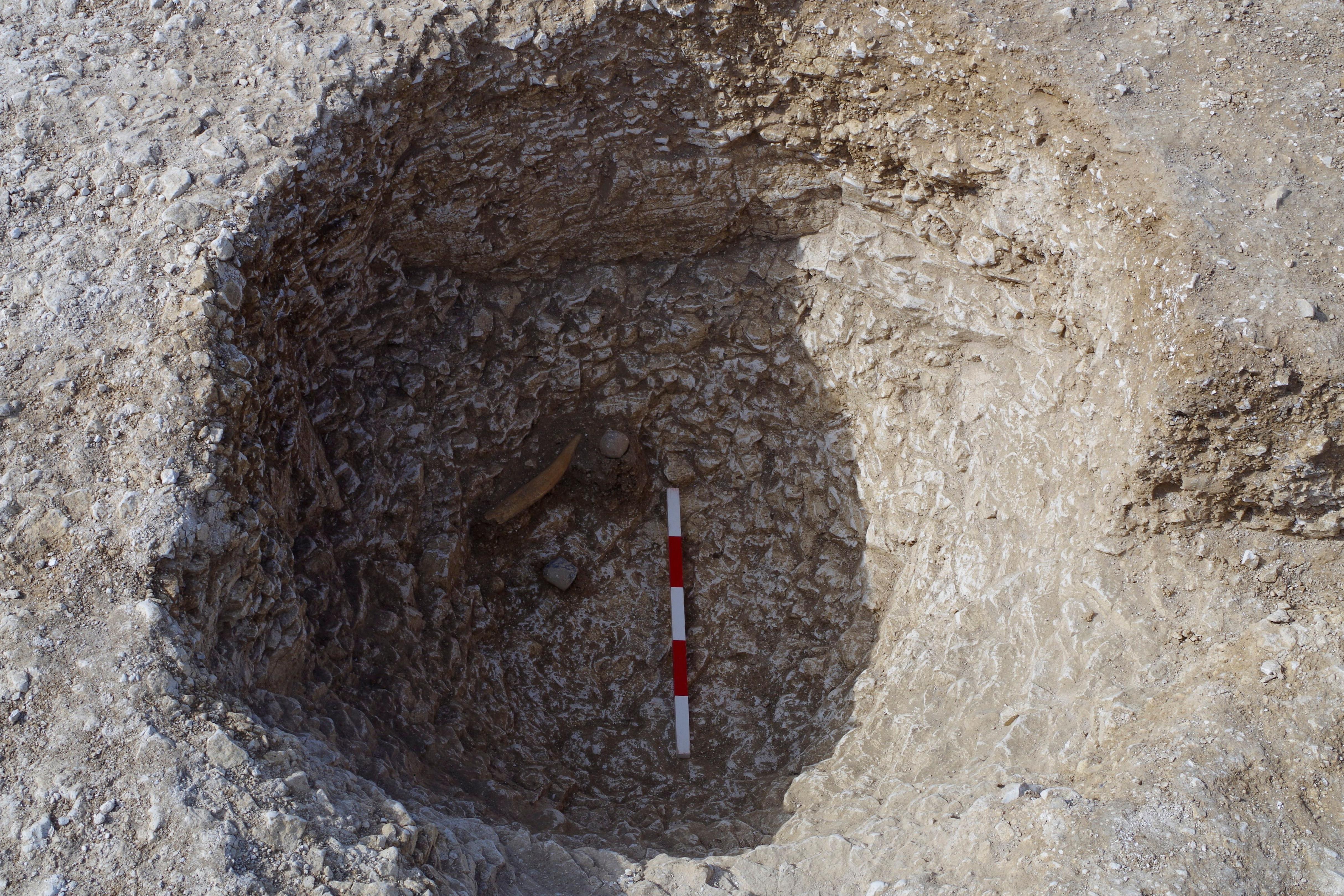
All that remains of the older structure are two holes in the ground.
However, the researchers say that they contained wooden pillars, which were aligned with the Sun during the summer solstice and winter solstice, the longest and shortest days of the year, in the same way as Stonehenge.
The site is about 5,000 years old, that is, it existed 500 years before Stonehenge.
Objects such as dishes, tools and animal bones have been discovered on it, suggesting that prehistoric people gathered here.
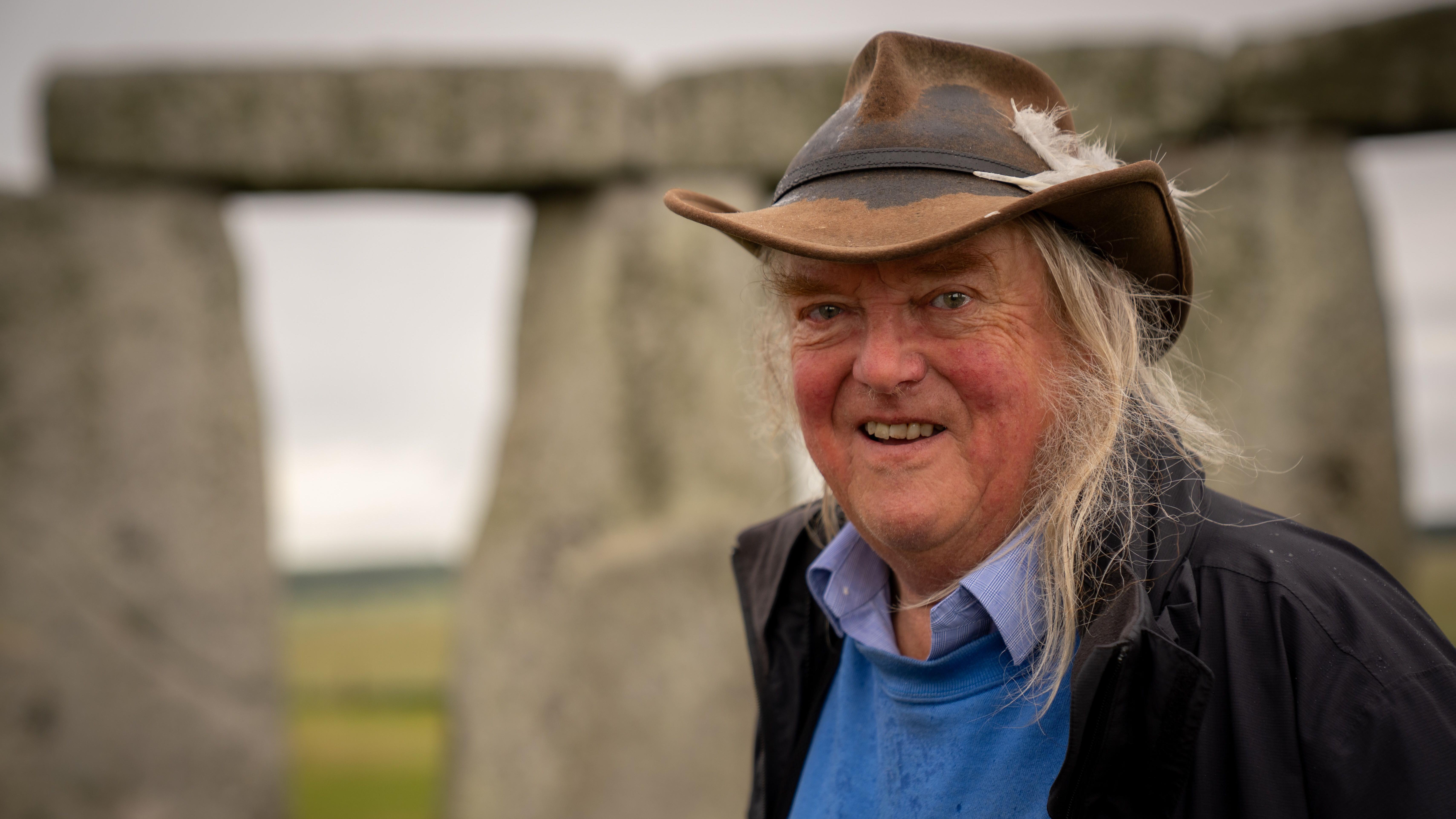
For Phil Harding, from Wessex Archaeologywho led the excavations, this is the biggest discovery in a long career.
“The two post holes tell me a lot about the people who lived 5,000 years ago,” he said.
“They tell me about the whole community, how they thought, how they behaved, and how they respected the heavens.”
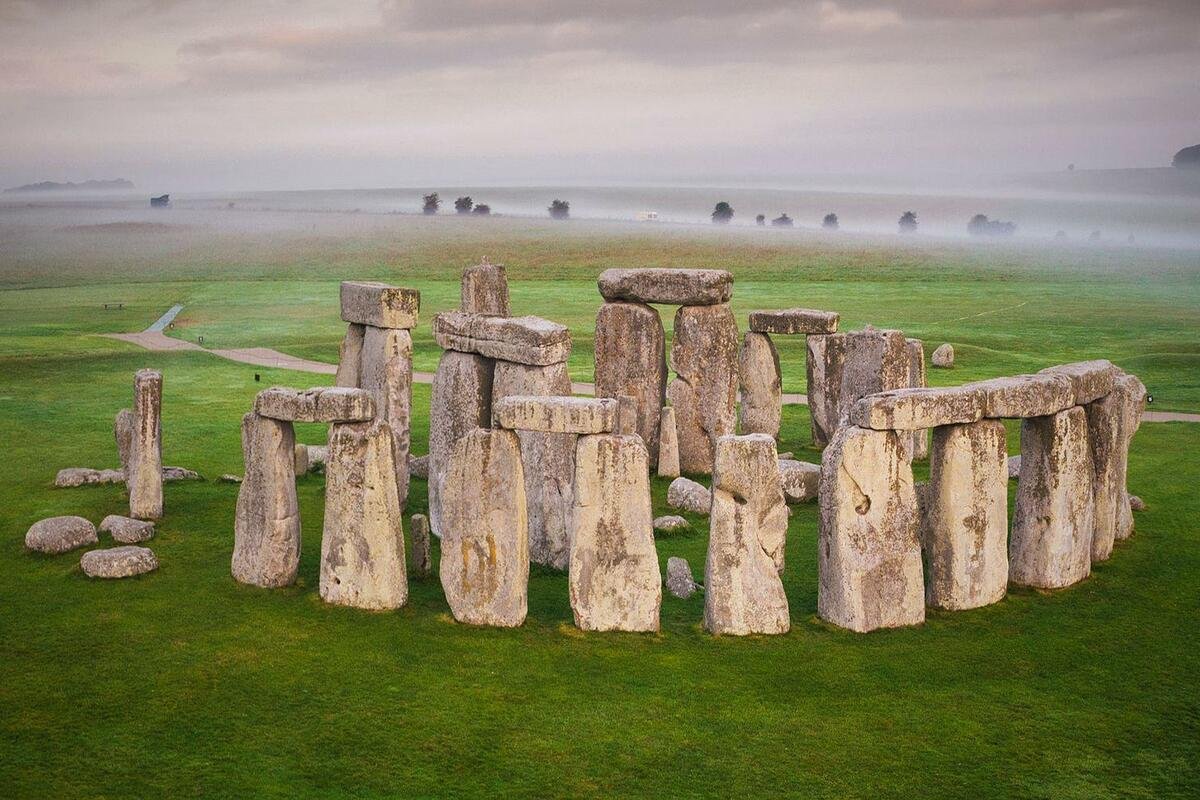
The huge stones at Stonehenge are placed in such a way that they are aligned with the Sun.
If you stand in the center of the circle at sunrise on the summer solstice, you will see the Sun rise over a stone called Heel Stone northeast of the circle.
In the middle of winter, if you stand in the center of the circle, you will see the Sun set behind the stone altar southwest of the site.
The structure discovered in the village of Bulford is much simpler and consisted of only two wooden posts, which had long since rotted away.
It is estimated that they were between two and four meters high and 120 meters apart.
When Harding discovered these unusual holes, he noticed that they appeared to be aligned with the Sun, in the same way that Stonehenge is, a few kilometers away.
“I took a pencil and a ruler and put them together and noticed that they kind of pointed in the direction of the sunrise in midsummer,” he said.
Traces of the old structure were found in Bulford decades ago when land was being cleared for army quarters.
But only now has a detailed analysis been carried out.
“The sky – the positions of the Sun, the Moon, the planets and the stars – change slowly over the centuries. They are so small that we don’t notice them in our lifetime,” said Fabio Silva, an archaeologist astronomer at Bournemouth University and Skyscape Academy.
“We needed to reconstruct the sky, exactly how it looked 5,000 years ago, where the sun rose and what time it was in those places.”
“If you consider the width of the pillars, then the alignment is absolutely, absolutely correct. It is precisely aligned with the sunrise on the summer solstice and the sunset on the winter solstice.”
Not only the holes containing the wooden posts were discovered, but also dozens of other holes around them, which contained objects belonging to the prehistoric people of the village of Bulford.
With the help of these objects, the age of the site was determined.
Among them was a horn that could have been used for digging, and other carved animal bones, as well as finely decorated pieces of pottery.
Tools made of flint were also discovered, among them a rare Neolithic knife that was rounded in the shape of a disk.
“I think that was our biggest discovery,” Harding said.
“What’s special about it is the craftsmanship with which it’s made. It’s the work of a true craftsman.”
The knife was found in an upright position, presumably carefully placed, leading Harding to wonder if it had symbolic significance.
“Maybe that discoid shape is some kind of reference to the Sun, who knows?” he said.
The monument at Bulford dates from the same period as the earliest phase of activity at Stonehenge, at the time of the first earthworks, half a millennium before the stone blocks were laid.
“The discovery at Bulford actually suggests that the people who built the first phases of Stonehenge may have settled there or lived there, or at least gathered seasonally to work on the construction of Stonehenge,” said Dr Jennifer Wexler, curator of history at the organisation. English Heritage.
But why were these prehistoric people so fascinated by the Sun?
“The people who built Stonehenge and those who were at Bulford were farmers.
“Their life was connected to the seasons and the sun doing its job,” Wexler explained.
Watch the video A day in the life of an archaeologist in Serbia
Today, the summer solstice is Stonehenge’s biggest attraction, when thousands of people come to watch the sunrise at the monument.
But Wexler says that 5,000 years ago, the winter solstice had more significance for communities.
“Winter may have been particularly important because it is the time of year when the light literally dies.”
“Perhaps it was necessary to do something to invoke or mark her return, for that is when the return of spring comes, when you hope your crops and animals will thrive.”
BBC is in Serbian from now on and on YouTube, follow us HERE.
Follow us on Facebook, Twitter, Instagram, YouTube and Viber. If you have a topic suggestion for us, please contact bbcnasrpskom@bbc.co.uk
Download the application and follow the news


FOLLOW US ON

News